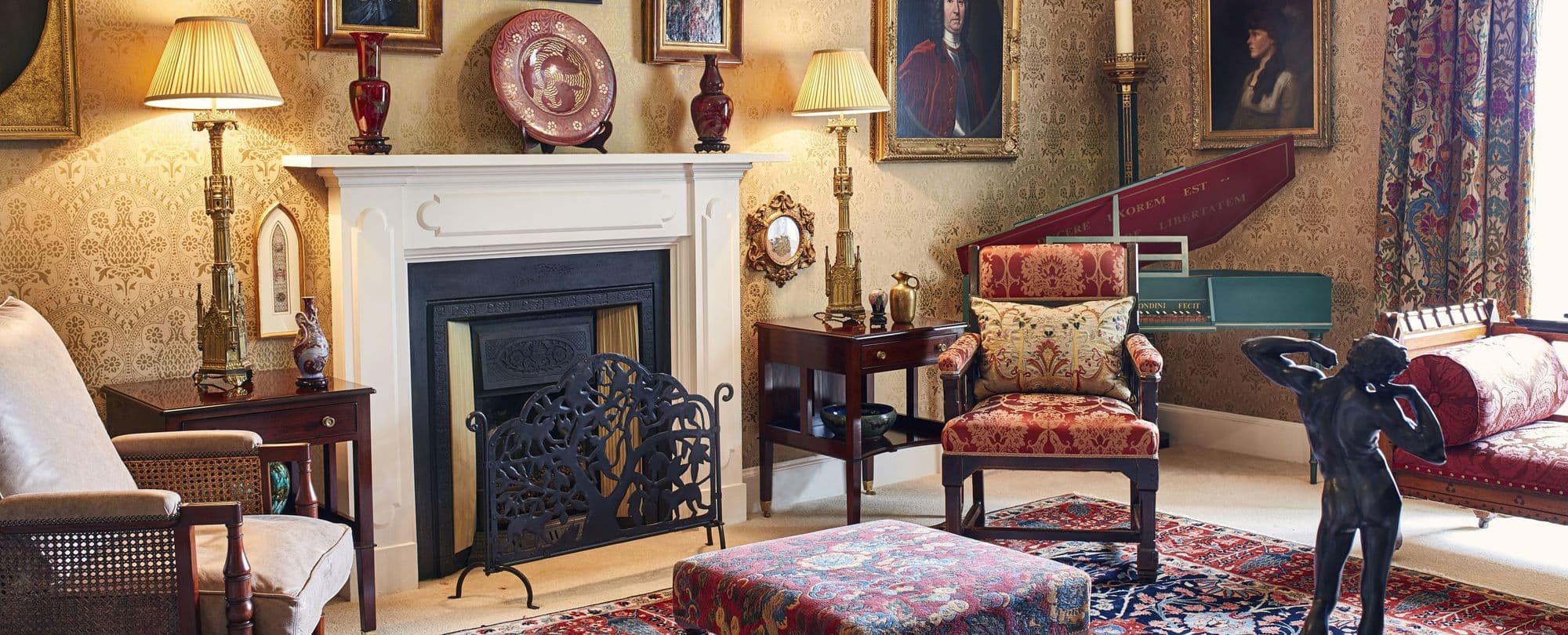
Why the Way a Collection Is Built Matters
Collections are rarely just groups of objects. Whether they consist of paintings, furniture, jewellery, silver or ceramics, the relationships between those objects often reveal something about the person, family or period that brought them together. That context can become one of a collection's greatest strengths.
For auction specialists, understanding how a collection was formed helps determine everything from research and cataloguing to marketing and sale strategy.
The Complete Collector
Some collectors begin with a clear objective. Their ambition might be to own every medal from a particular campaign, every edition of a favourite book, or examples from every major period of a ceramic factory. Each acquisition fills a deliberate gap until the collection becomes something greater than its individual parts.
These collections often demonstrate years of research, patience and scholarship. They appeal to buyers who appreciate rarity, completeness and specialist knowledge.
One example is The Matrix Collection, assembled by David Morris, which brought together an exceptional group of desk seals. Rather than simply accumulating objects, the collection explored the history and evolution of seals across different makers, institutions and periods, creating a coherent body of material that attracted international interest.
The Personal Collector
Many of the most memorable collections begin without any intention of becoming collections at all. A painting bought on holiday. A piece of studio pottery discovered at a local exhibition. A chair inherited from a grandparent. Over decades these individual purchases begin to reveal remarkably consistent tastes.
Collectors often don't notice the patterns themselves. Yet viewed together, recurring colours, subjects, materials or periods create a collection with its own distinctive identity. This intuitive approach often produces the most engaging interiors because every object has earned its place through genuine appreciation rather than a collecting strategy.
The Collection of Ursula & Gordon Bowyer exemplified this approach. Built over many years through instinct and personal taste, the works complemented one another naturally, creating a collection that felt both individual and remarkably cohesive.
The Heritage Collection
Some collections evolve across several generations. Rather than reflecting one collector's interests, they become records of changing fashions, family history and evolving tastes. New generations add to them, inherit them, reinterpret them and occasionally rediscover forgotten treasures.
These collections often contain fascinating contrasts, eighteenth-century furniture sitting comfortably beside twentieth-century paintings, or inherited silver alongside contemporary ceramics. Their richness comes from this accumulation of history rather than adherence to a single vision.
For families, these collections often represent far more than financial value. They preserve stories, traditions and memories that have developed over decades, sometimes centuries. At Lyon & Turnbull, understanding the collection always comes before deciding how best to sell it.