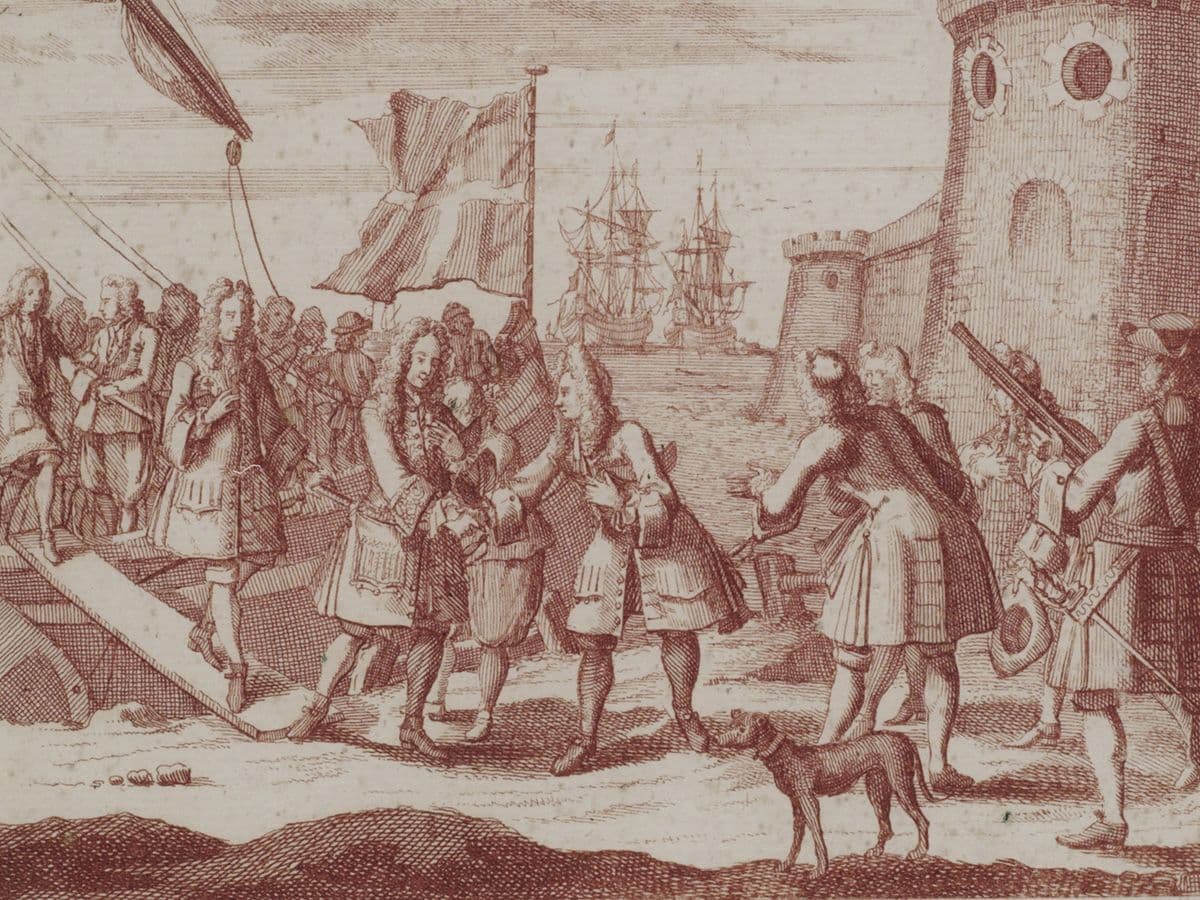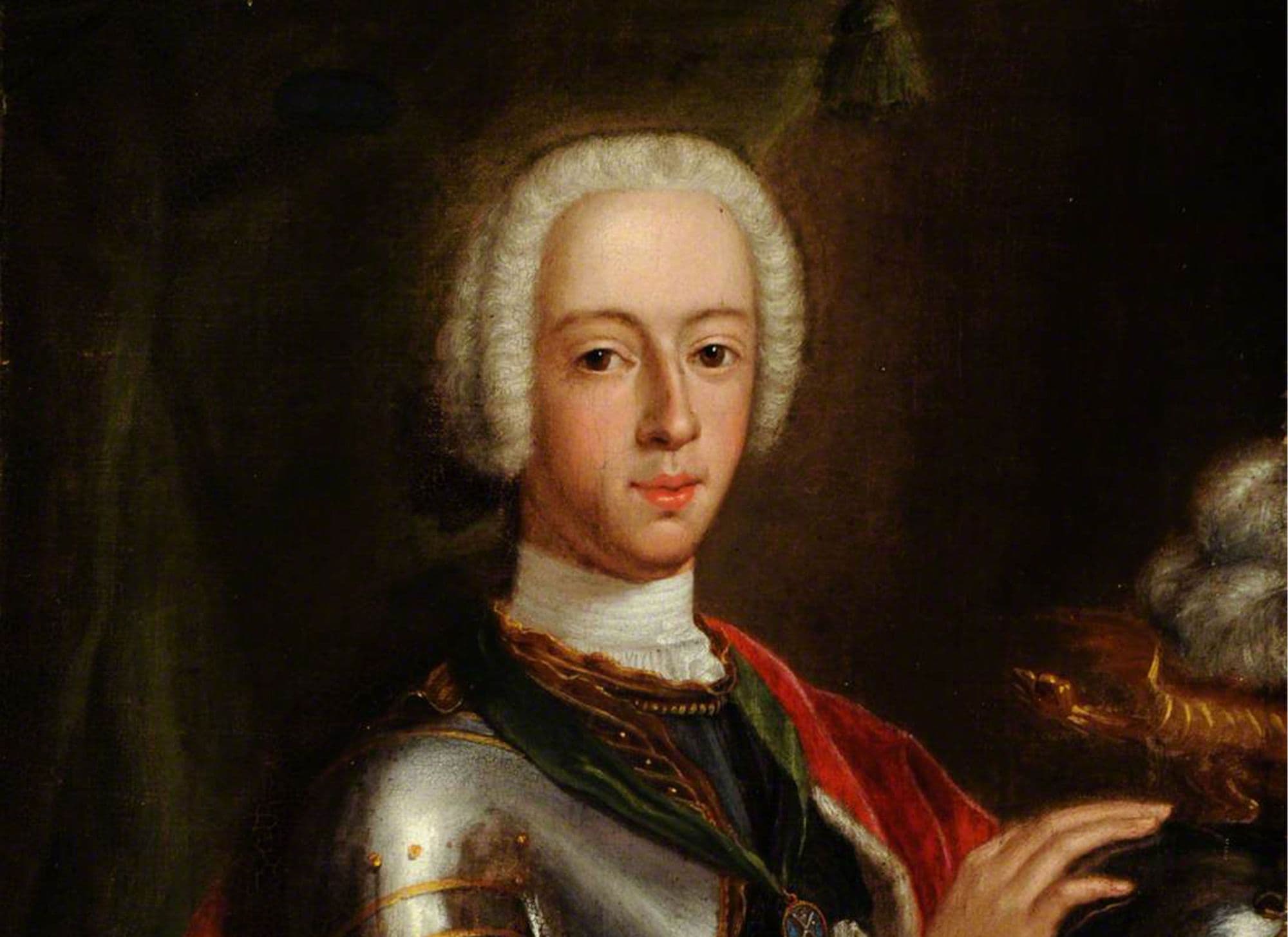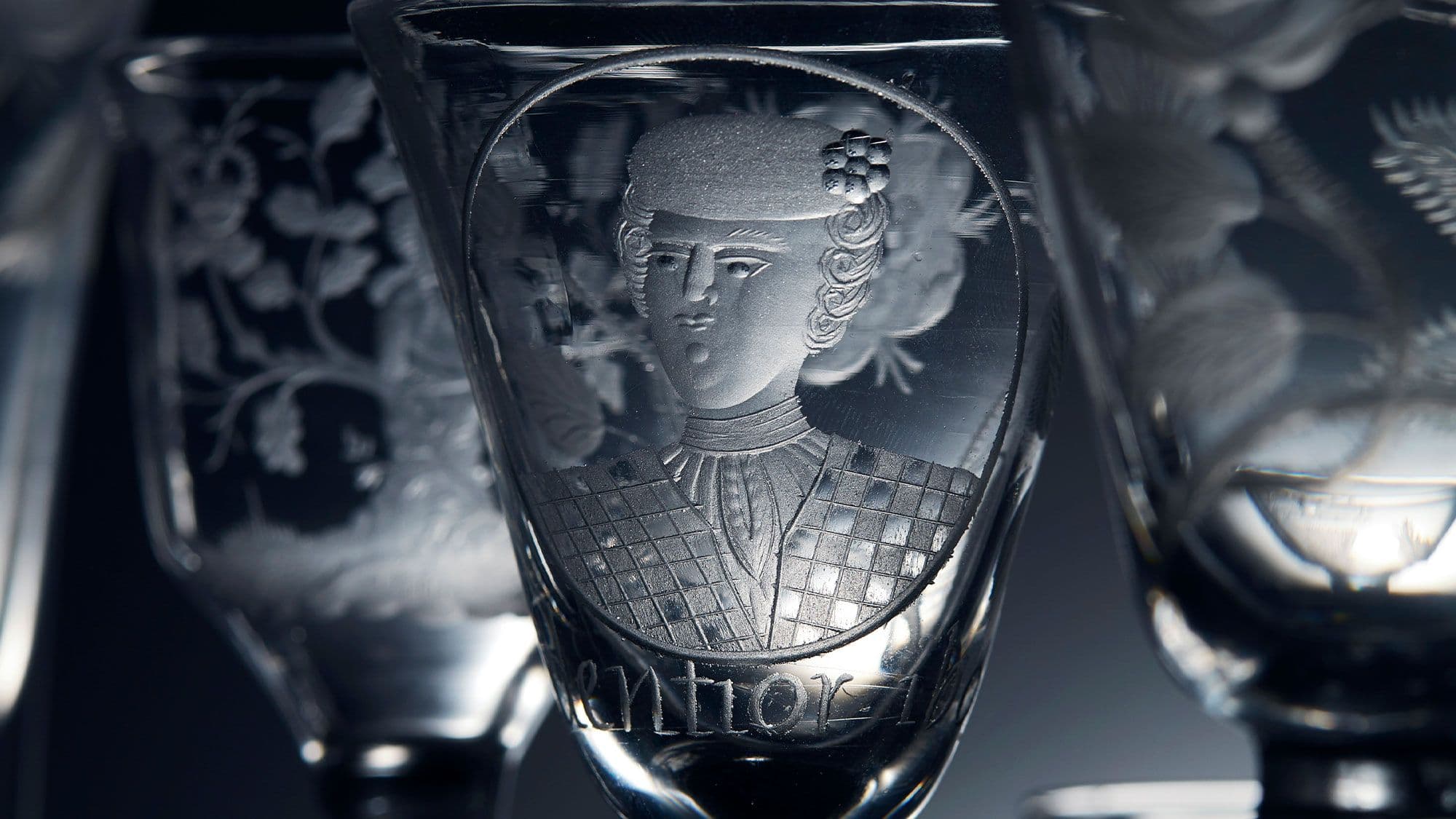
Few historical figures have inspired as many portraits as Bonnie Prince Charlie. From the optimism surrounding the Jacobite Rising of 1745 to the years of exile that followed Culloden, artists across Britain and Europe depicted Prince Charles Edward Stuart in remarkably different ways. Some presented him as the rightful heir to the British throne, others as a romantic Highland hero, while later portraits reflected the growing mythology that surrounded the Jacobite cause.
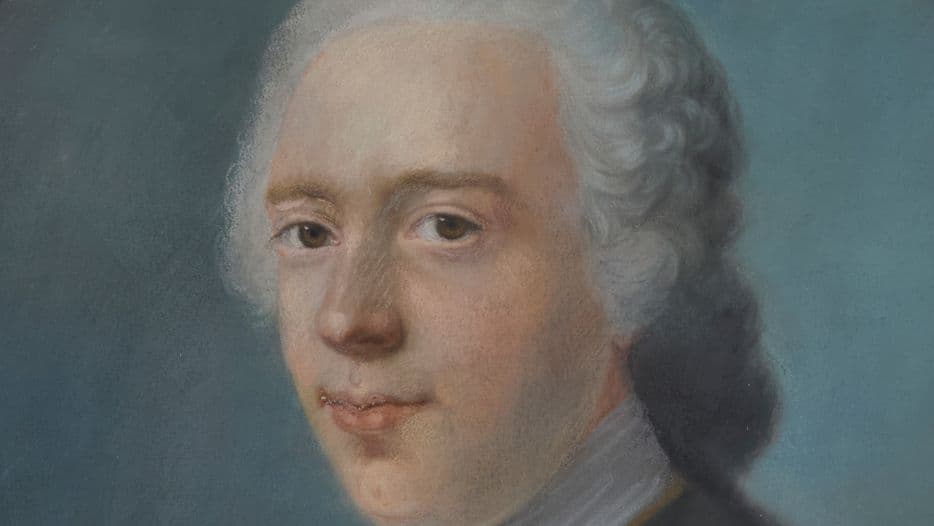
Among these images is a recently attributed pastel by the French artist Gabriel François Doyen, based on a composition by Maurice Quentin de La Tour. Although De La Tour's original pastel is now lost, surviving versions such as this help us understand how the Prince's image continued to circulate among Jacobite supporters during the eighteenth century.
Quick Answer: Portraits of Bonnie Prince Charlie were far more than likenesses. Throughout the eighteenth century, artists used paintings, miniatures and engravings to shape the public image of Prince Charles Edward Stuart, reflecting changing political fortunes, Jacobite loyalty and the appeal of the Stuart cause.