The “One of Each” Collection
The first type is what you might call systematic collecting. This is where someone sets out with a clear goal: to acquire one example of each item within a category.
Think stamps, coins, or medals. The motivation here is completeness. Each addition fills a gap, bringing the collection closer to a defined whole. There’s a methodical satisfaction in building something piece by piece, guided by structure and intention.
A strong example of this approach can be seen in collections formed around both historical significance and aesthetic appeal. The Matrix Collection compiled by the late Mr David Morris, brought together a carefully considered group of desk seals, ranging from personal examples to those created for institutions and organisations. Collections like this demonstrate how structured collecting can go beyond completeness alone, combining scholarship, rarity and visual appeal to create something with both depth and cohesion.
The Personal Collection
The second type is more intuitive, and often more revealing: the personal collection.
This develops over time, usually without a conscious aim to “build a collection.” Instead, it’s shaped by individual taste, instinct, and emotional connection. A painting purchased on a whim, a piece inherited from a grandparent, an object picked up during travels, each item carries its own story.
What’s fascinating is that, although the collector may not recognise it, these pieces often speak to one another. A thread of taste runs through them, creating a quiet coherence.
From a valuation perspective, this is often the most compelling type of collection. When viewed as a whole, it reveals a distinct personality and point of view.
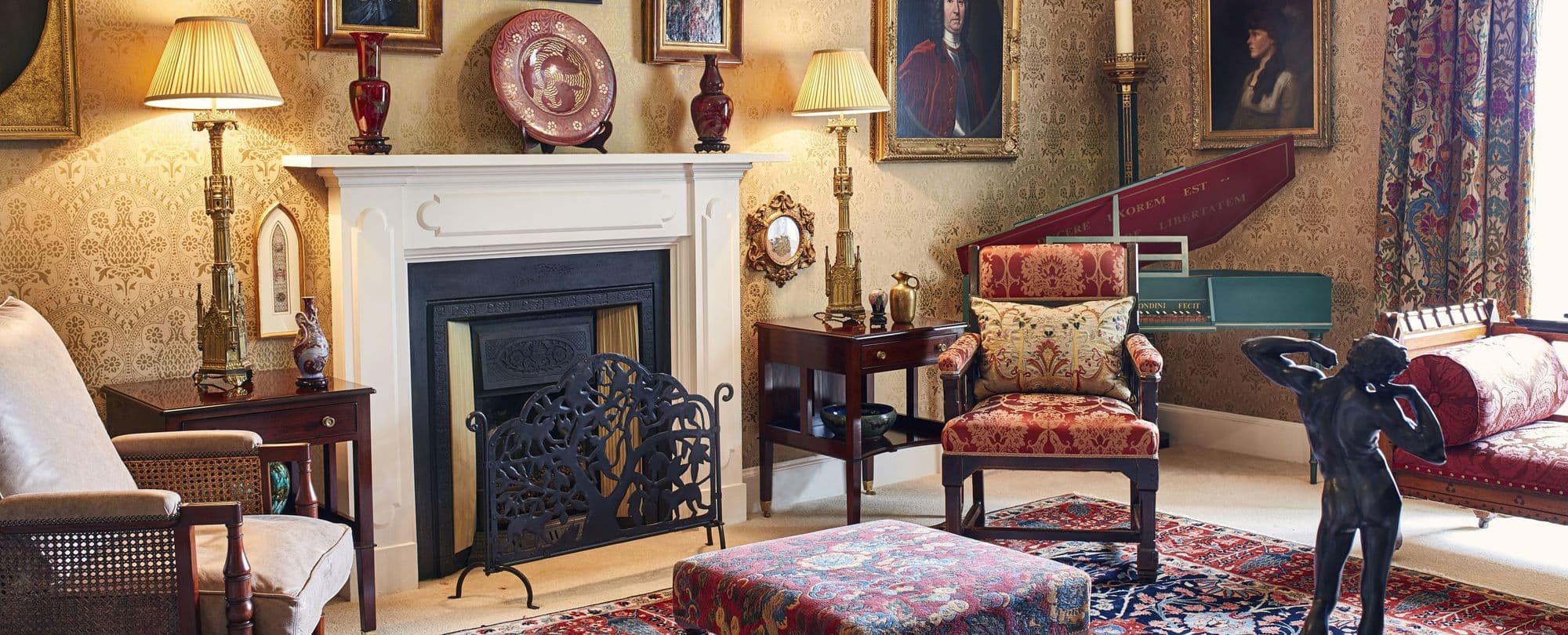
This is exemplified in The Collection of Ursula & Gordon Bowyer, where works were brought together over time through personal instinct rather than a fixed collecting strategy. The result is a richly layered interior, where paintings, furniture and objects interact in a way that feels both natural and deeply considered. Collections like this demonstrate how individual taste can create a cohesive narrative.