What Types of Islamic & Indian Art Can You Collect?
Islamic and Indian art encompasses a remarkable variety of objects, from everyday decorative wares to works commissioned for royal courts and religious institutions.
Popular collecting areas include:
- Islamic ceramics: Persian lustreware, Kashan pottery, Ottoman Iznik ceramics and architectural tiles.
- Indian paintings: Mughal miniatures, Rajput and Pahari paintings, Deccani works and Company School watercolours.
- Calligraphy and manuscripts: Illuminated Qurans, Persian manuscripts, illustrated literary works and calligraphic compositions.
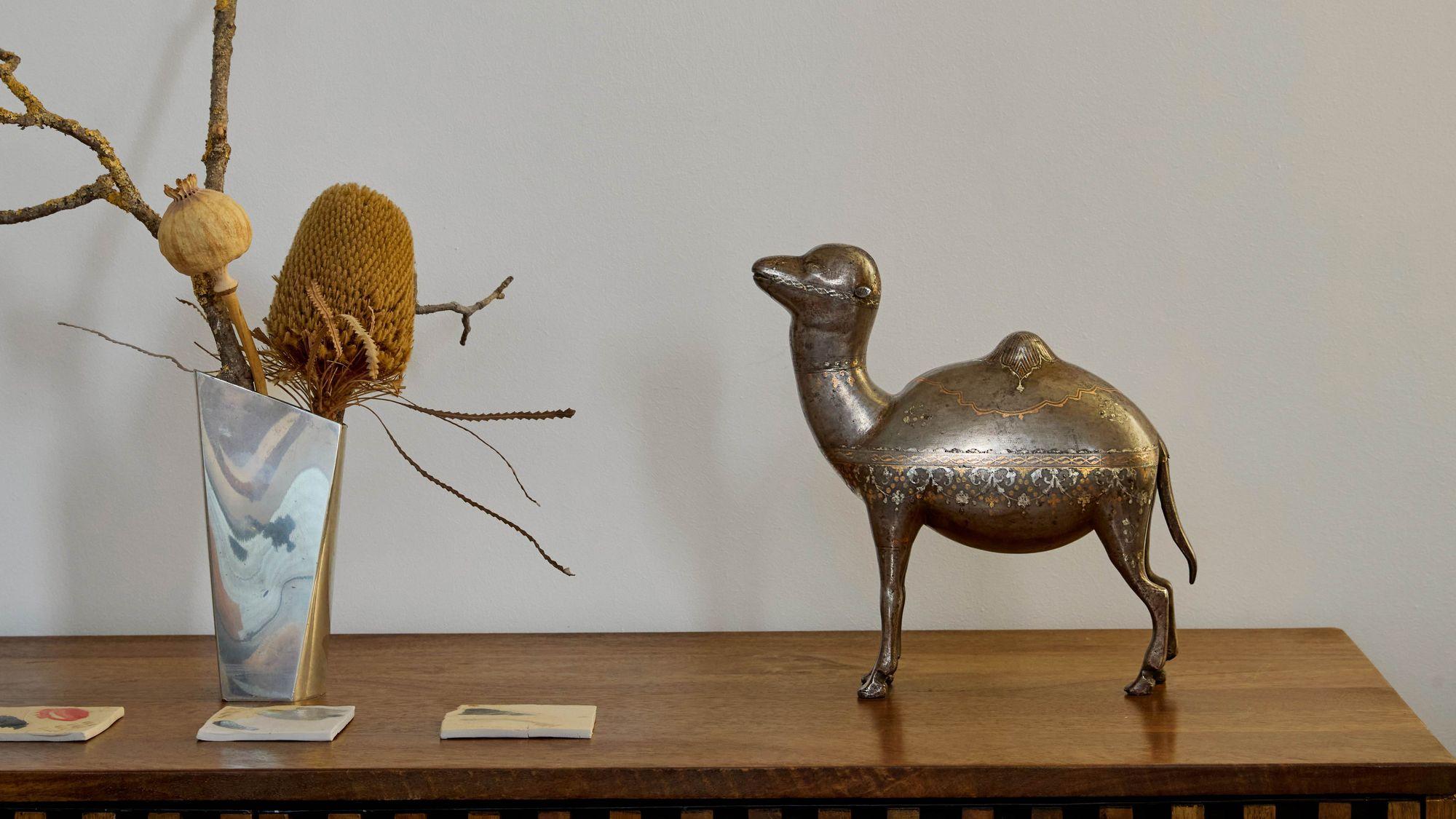
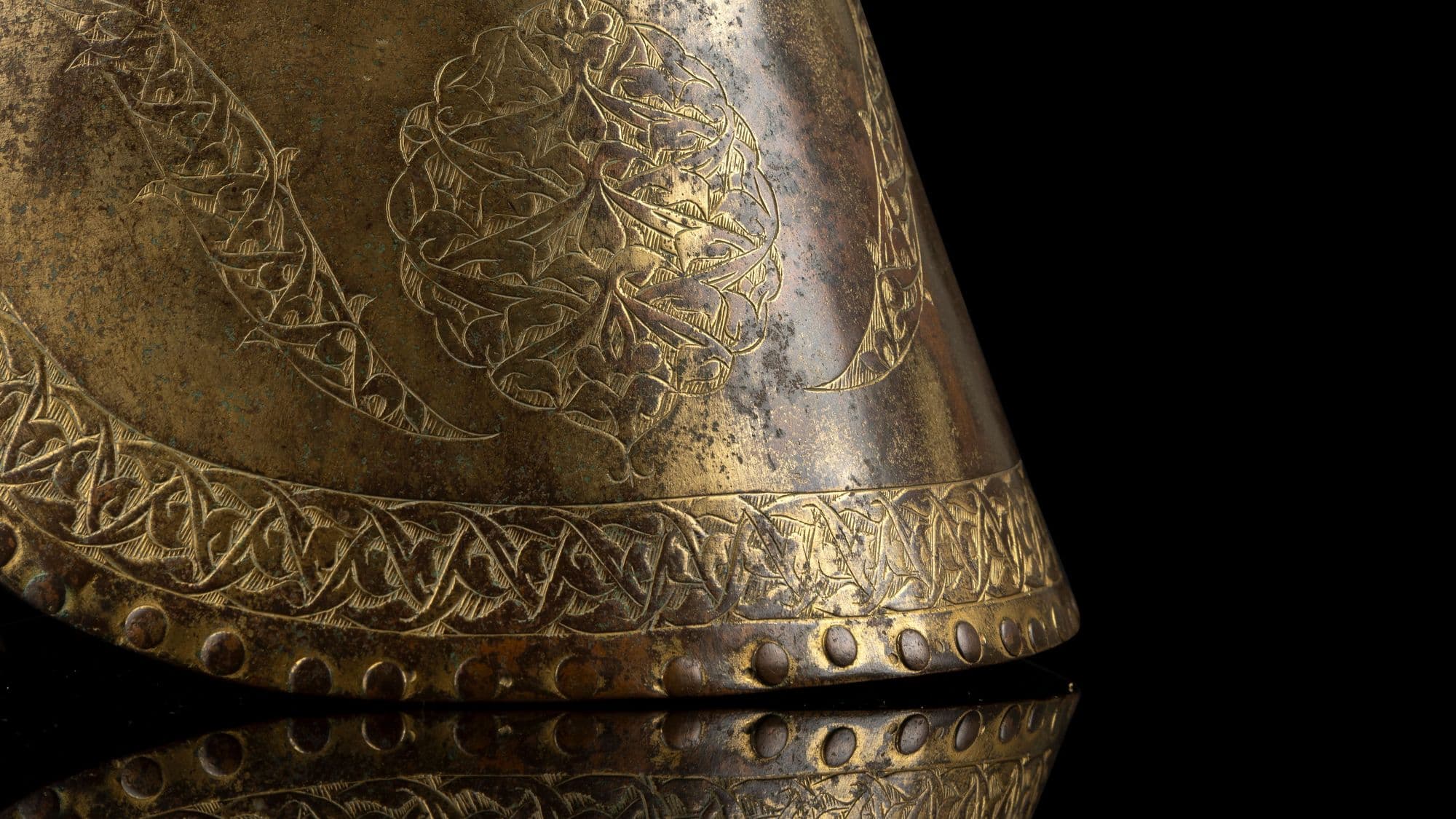
- Metalwork: Engraved brass, silver-inlaid bronze, Bidri ware and decorative vessels.
- Sculpture: Gandharan sculpture, Indian stone carvings and Hindu and Buddhist bronzes.
- Textiles: Central Asian suzanis, embroidered fabrics, carpets and historic Indian textiles.
- Jewellery and precious objects: Mughal gemstone carvings, enamelled goldwork, jade and rock-crystal objects.
Each category offers its own opportunities for research and collecting, with considerable variation in age, rarity, craftsmanship and price.
Building a Focused Collection: Where to Begin
Many new collectors are initially drawn to celebrated artists, royal workshops or particularly famous periods. However, an equally satisfying approach is to concentrate on a specific area.
Focused collections often become more coherent and academically interesting than those assembled purely on the basis of prestige.
1. Collecting by Region or Historical Period
A regional collection allows collectors to examine how artistic traditions developed within a particular culture or geographical area. For Islamic art, this might involve concentrating on Persian ceramics, Ottoman pottery, Syrian metalwork or the decorative arts of Islamic Spain.
A collector interested in Indian art might instead focus on Mughal miniature paintings, Rajput painting schools, Gandharan sculpture or the artistic traditions of the Deccan. For example, collecting Mughal and Rajput paintings offers an opportunity to compare different approaches to portraiture, storytelling and courtly life. Meanwhile, a collection of Persian ceramics might illustrate the development of glazing and decorative techniques across several centuries. Studying objects within a defined region or period can help collectors recognise differences in style, craftsmanship and artistic influence.
2. Collecting by Technique or Material
Another approach is to focus on how objects were made. Islamic and Indian craftsmen developed sophisticated techniques that were adopted, adapted and refined across different regions.
A technical collection might concentrate on:
- Lustreware: Ceramics decorated using metallic pigments to produce an iridescent surface.
- Blue-and-white pottery: Cobalt-decorated ceramics reflecting artistic exchanges between Islamic and Chinese traditions.
- Epigraphic wares: Ceramics and metalwork decorated with inscriptions and calligraphy.
- Architectural tiles: Glazed tiles produced for mosques, palaces and domestic interiors.
- Indian miniature painting: Works on paper distinguished by finely detailed brushwork, pigments and compositional traditions.
- Bidri ware: Indian metalwork characterised by silver inlay against a darkened metal surface.
Collecting by technique encourages close examination of materials and craftsmanship, helping collectors understand how objects were produced and why particular methods became associated with certain regions.
3. Collecting by Theme
A thematic collection can bring together objects from different periods and cultures through a shared subject. Calligraphy, for example, appears across Islamic ceramics, manuscripts, textiles and metalwork. Collectors might examine how the written word functions as both decoration and a means of conveying religious, literary or historical meaning. Other themes include animal imagery, floral decoration, geometric patterns and courtly scenes.
Within Indian art, collectors may be particularly interested in depictions of Hindu mythology, royal portraiture, musical themes or scenes from literary traditions such as the Ramayana. A thematic approach allows collectors to build connections between objects that might otherwise appear unrelated, creating a collection with a distinctive identity.
How to Research Islamic & Indian Art Before Buying
The best collectors are also researchers. Understanding an object's historical context, materials and methods of production is essential when assessing its significance.
Study Museum Collections
Museum collections provide an excellent starting point for anyone interested in Islamic and Indian art.
Important collections include:
- The British Museum, London
- The Victoria and Albert Museum, London
- The Ashmolean Museum, Oxford
- The Metropolitan Museum of Art, New York
- The Louvre, Paris
- The Museum of Islamic Art, Doha
Many institutions provide online catalogues containing photographs, historical descriptions and information about materials and techniques. Comparing objects with published museum examples is one of the most effective ways to develop connoisseurship.
Read Specialist Auction Catalogues
Auction catalogues are another valuable resource, offering information on dating, attribution, provenance, condition and market trends. Reviewing catalogues from Lyon & Turnbull and other established auction houses can help collectors understand how similar objects are described and valued. Pay particular attention to differences between objects of comparable age or origin. Two Persian ceramic vessels, for example, may have very different estimates because of their craftsmanship, rarity, condition or ownership history. Over time, these comparisons can help develop a more informed understanding of the market.