Sam Herman and the American Studio Glass Influence
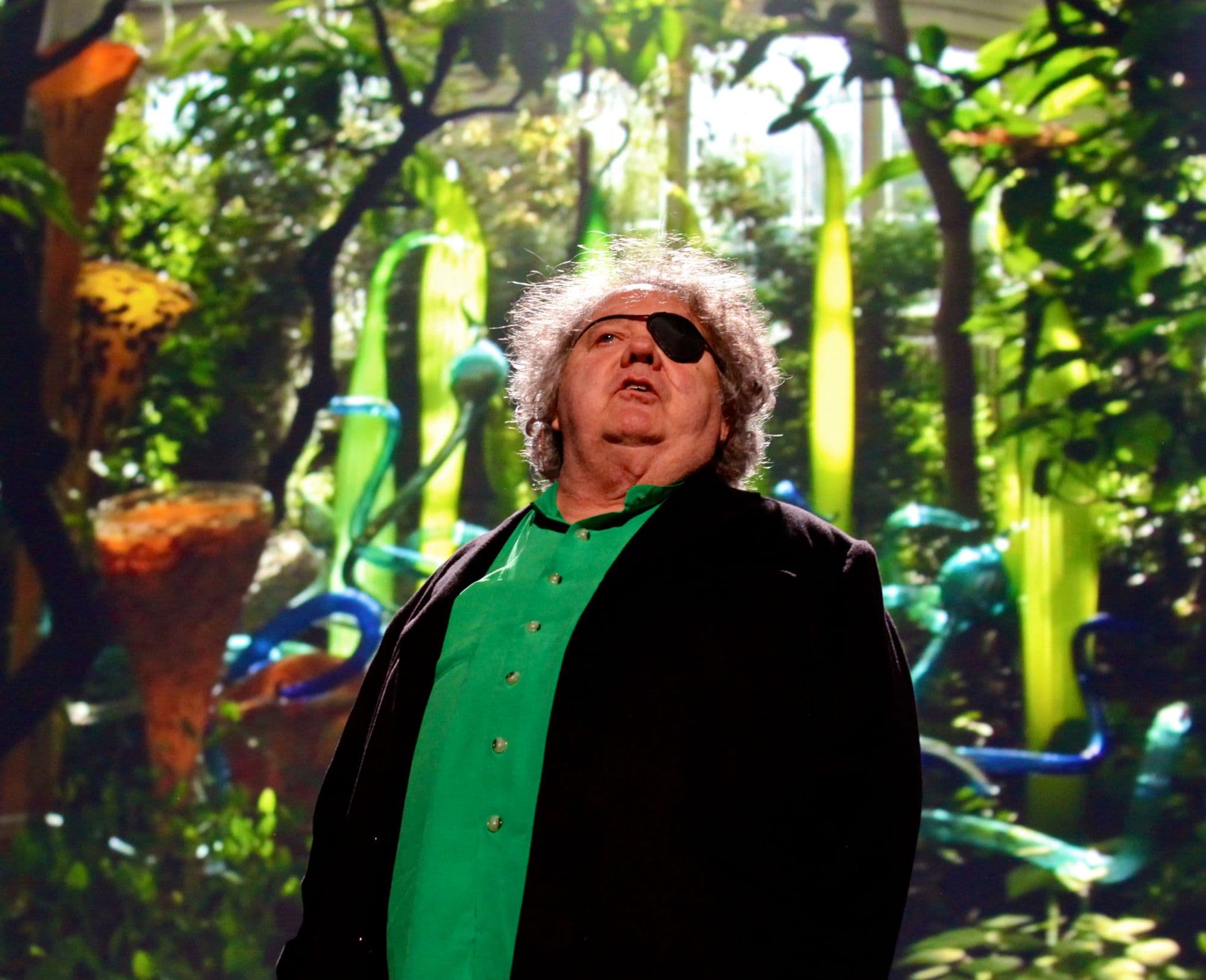
The American Studio Glass movement, which emerged in the early 1960s, redefined glassmaking by removing it from the factory floor and placing it in the hands of individual artists. Figures such as Harvey Littleton and Dale Chihuly championed small-scale studios where experimentation, risk-taking and personal expression were central. Sam Herman encountered this ethos while studying and working in the United States, where he was exposed to a culture that embraced colour, spontaneity and the physicality of hot glass. When Herman returned to Britain, he brought back not only new technical approaches but a radically different philosophy: glass could function as sculpture, painting and gesture, rather than merely as refined craft.
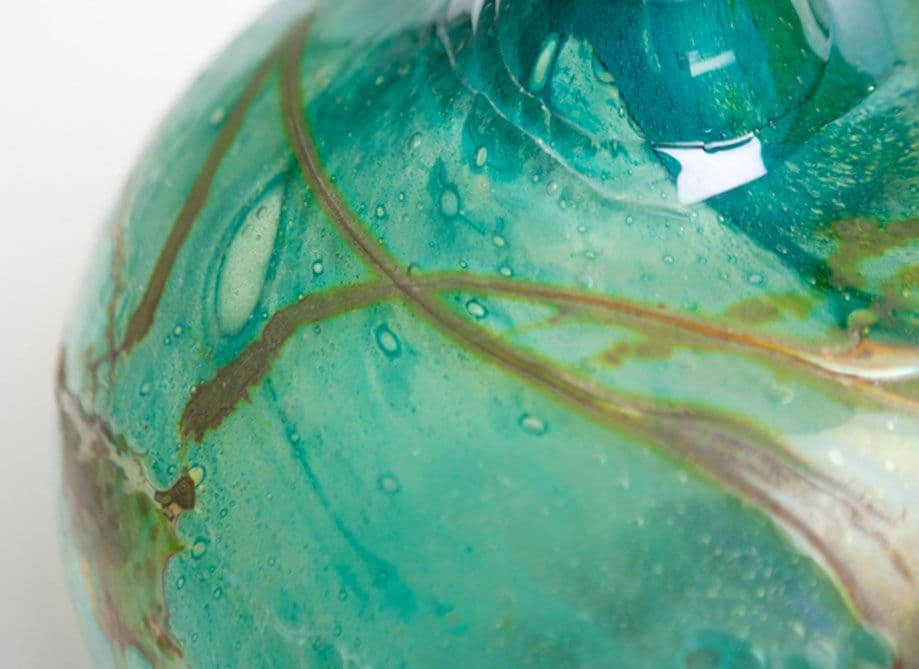
Herman’s impact was most powerfully felt through his role as an educator. At the Royal College of Art, where he established the glass department in the 1960s, he encouraged students to explore glass as an expressive, sculptural medium. His teaching rejected rigid hierarchies between fine art and craft, aligning glass with broader developments in post-war modernism and abstraction. Herman’s own work-characterised by bold colour, fluid forms and painterly surfaces-challenged prevailing British expectations of glass as controlled and decorative, and his influence can be traced through several generations of makers.
Creating Space for British Studio Glass
Peter Layton’s trajectory was shaped by similar experiences in America, where he encountered the collaborative and experimental spirit of studio glass. Recognising the lack of facilities in Britain for artists wishing to work independently with hot glass, Layton founded London Glassblowing in 1976. Modelled in part on American shared studios, London Glassblowing became a crucial site for making, learning and exchange. It offered artists access to equipment, technical support and, importantly, a community-something that proved essential in sustaining a medium that is both technically demanding and resource-intensive.
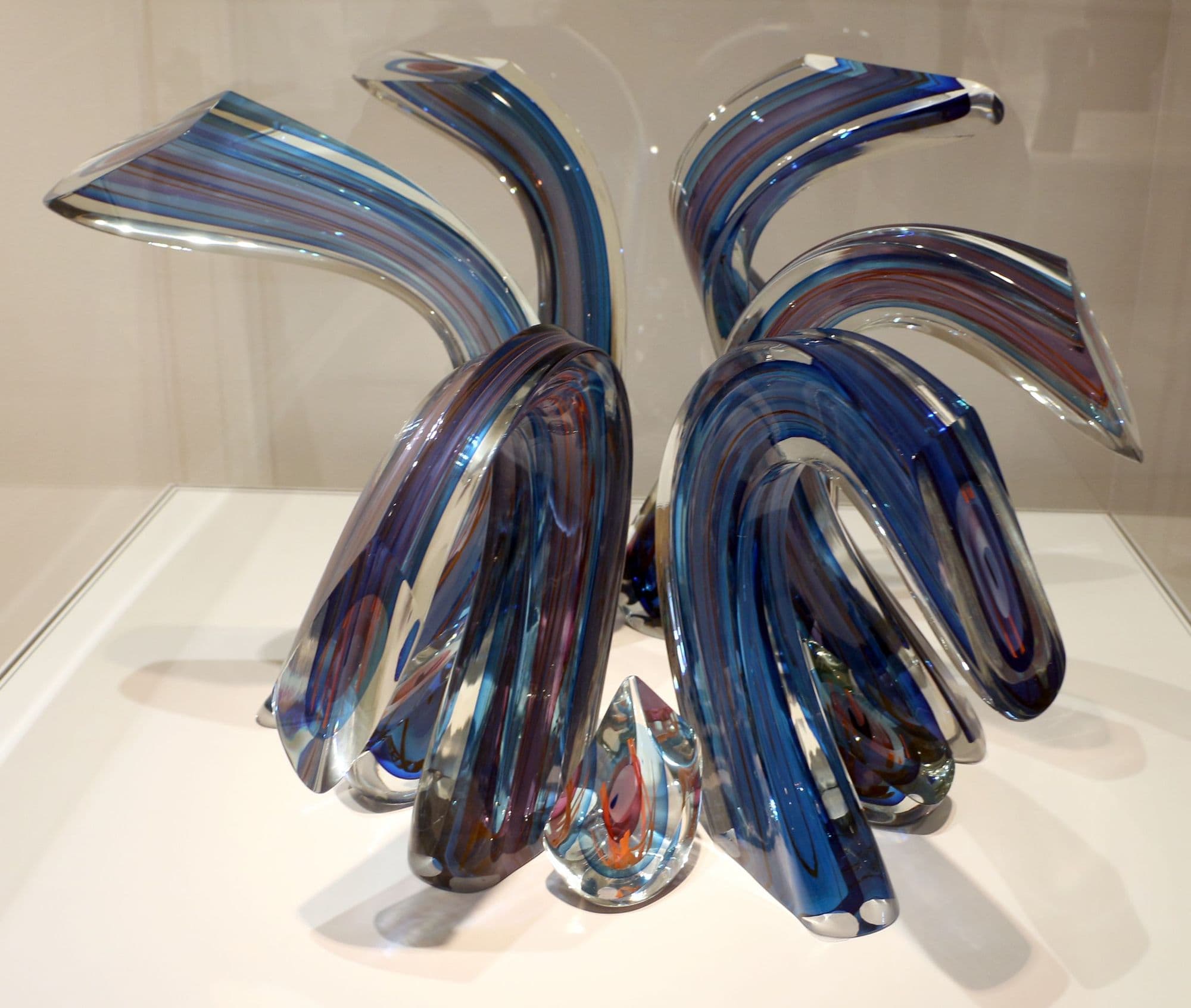
Layton’s own work, often characterised by architectural forms and an exploration of light, colour and spatial depth, sits alongside his broader contribution as a facilitator and advocate. London Glassblowing has remained an open, evolving institution, supporting both established artists and emerging practitioners. This commitment to collaboration and mentorship has ensured that British studio glass has never become stylistically fixed but instead continues to adapt and expand.
The Continuing Evolution of British Studio Glass
Alongside Herman and Layton, artists such as Michael Harris, Colin Reid and Ann Wolff played key roles in expanding the technical and conceptual vocabulary of British studio glass. Their work demonstrated the medium’s capacity for precision, monumentality and narrative, aligning it increasingly with contemporary sculpture and installation. By the late twentieth century, studio glass had established itself as a serious and intellectually engaged artistic practice.
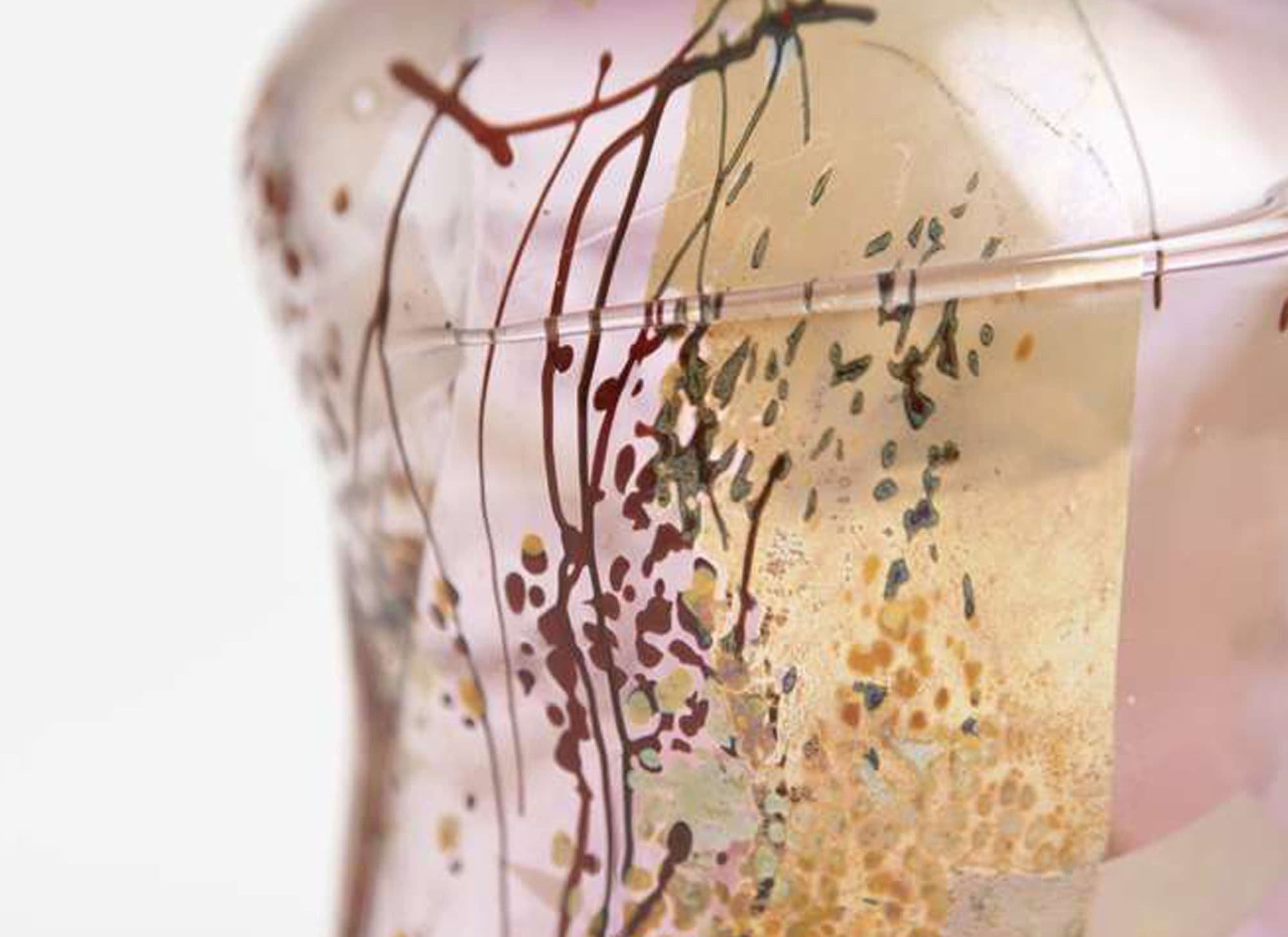
Today, the movement’s legacy is evident in the work of a new generation of makers who continue to build on these foundations while pushing glass in new directions. Elliot Walker, for example, is widely recognised for his virtuosic trompe-l'œil vessels, which challenge perceptions of material and illusion while demonstrating extraordinary technical control. Tim Rawlinson, by contrast, embraces abstraction and surface, creating works that reference painting and gesture as much as traditional glassmaking. Their practices reflect the diversity and confidence of contemporary British studio glass.