Stanley Cursiter's Early Career
Born in Kirkwall, Orkney, Cursiter moved to Edinburgh in 1904, where he lived first on Queen Street and later at Royal Circus. He began an apprenticeship as a lithographer with McLagan & Cumming while also pursuing painting, which would become his greatest passion. He enrolled at the newly established Edinburgh College of Art, where he studied from 1907 to 1910, laying the foundations for what would become one of the most distinguished careers in Scottish art.
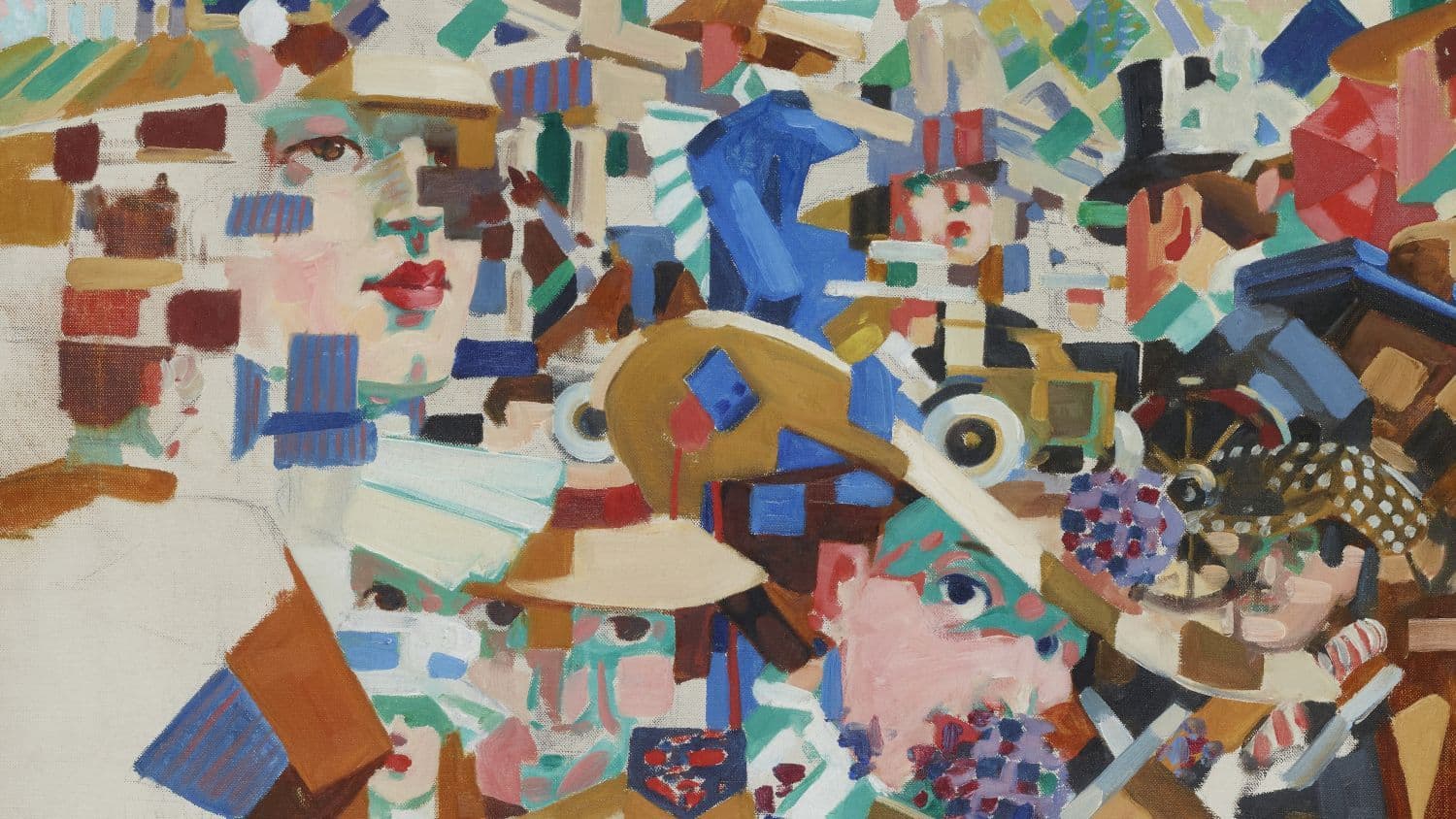
Between 1913 and 1914, Cursiter produced a small but highly significant body of Futurist-inspired work. During a visit to London in 1912, he encountered the Exhibition of Works by the Italian Futurist Painters at the Sackville Gallery, featuring Umberto Boccioni, Carlo Carrà, Luigi Russolo and Gino Severini. This encounter had a profound impact on his painting and, in 1913 with the support of Roger Fry, Cursiter helped organise an exhibition for the Society of Scottish Artists in Edinburgh, introducing Scottish audiences to leading figures of the European avant-garde, including Paul Gauguin, Vincent van Gogh, Henri Matisse and some of the Futurists named above. It marked a significant moment in the introduction of modern European art in Scotland.
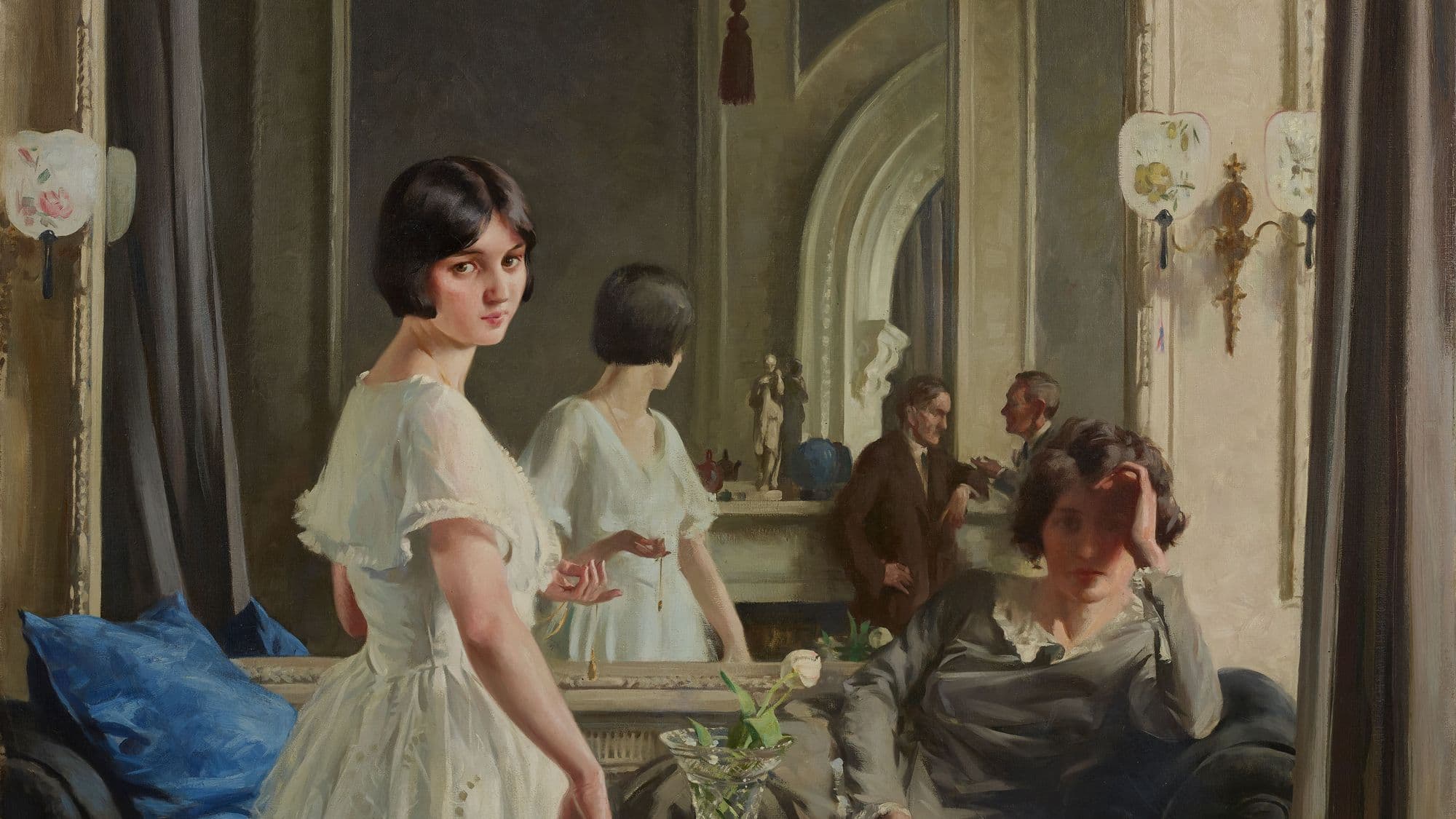
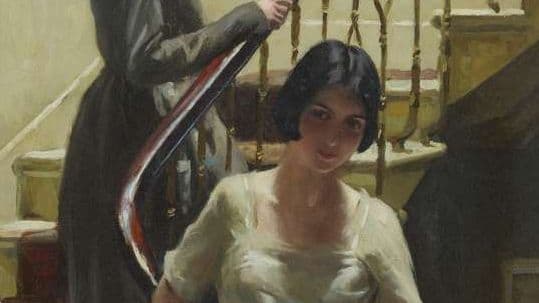
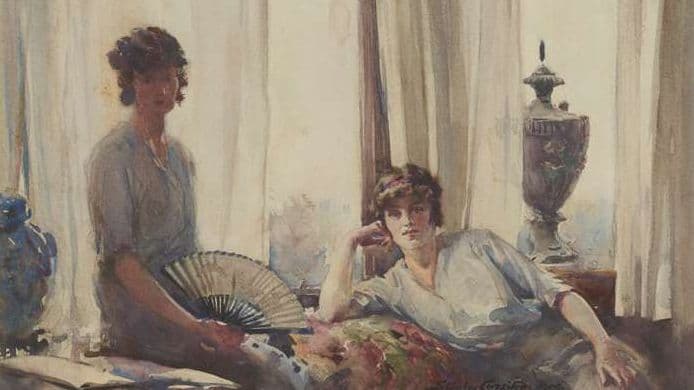
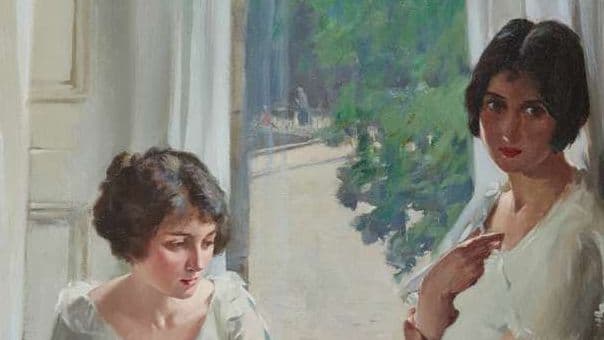
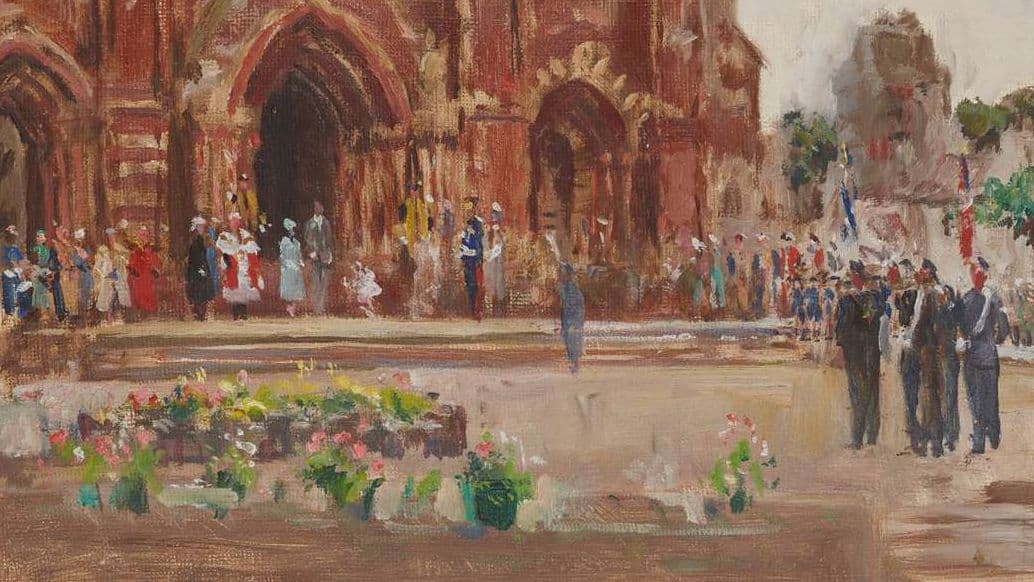
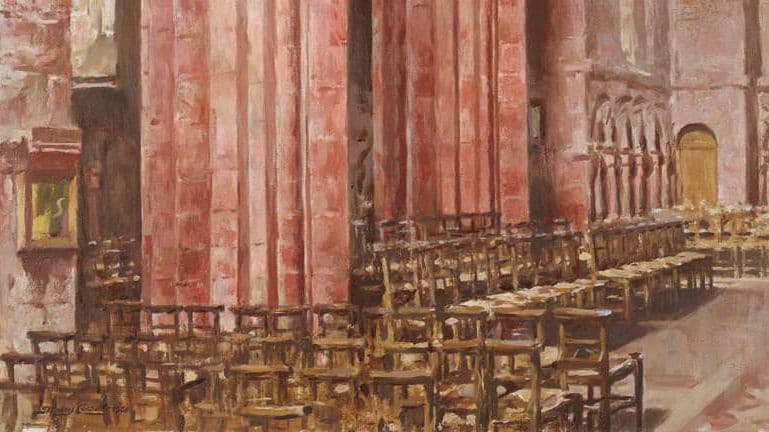
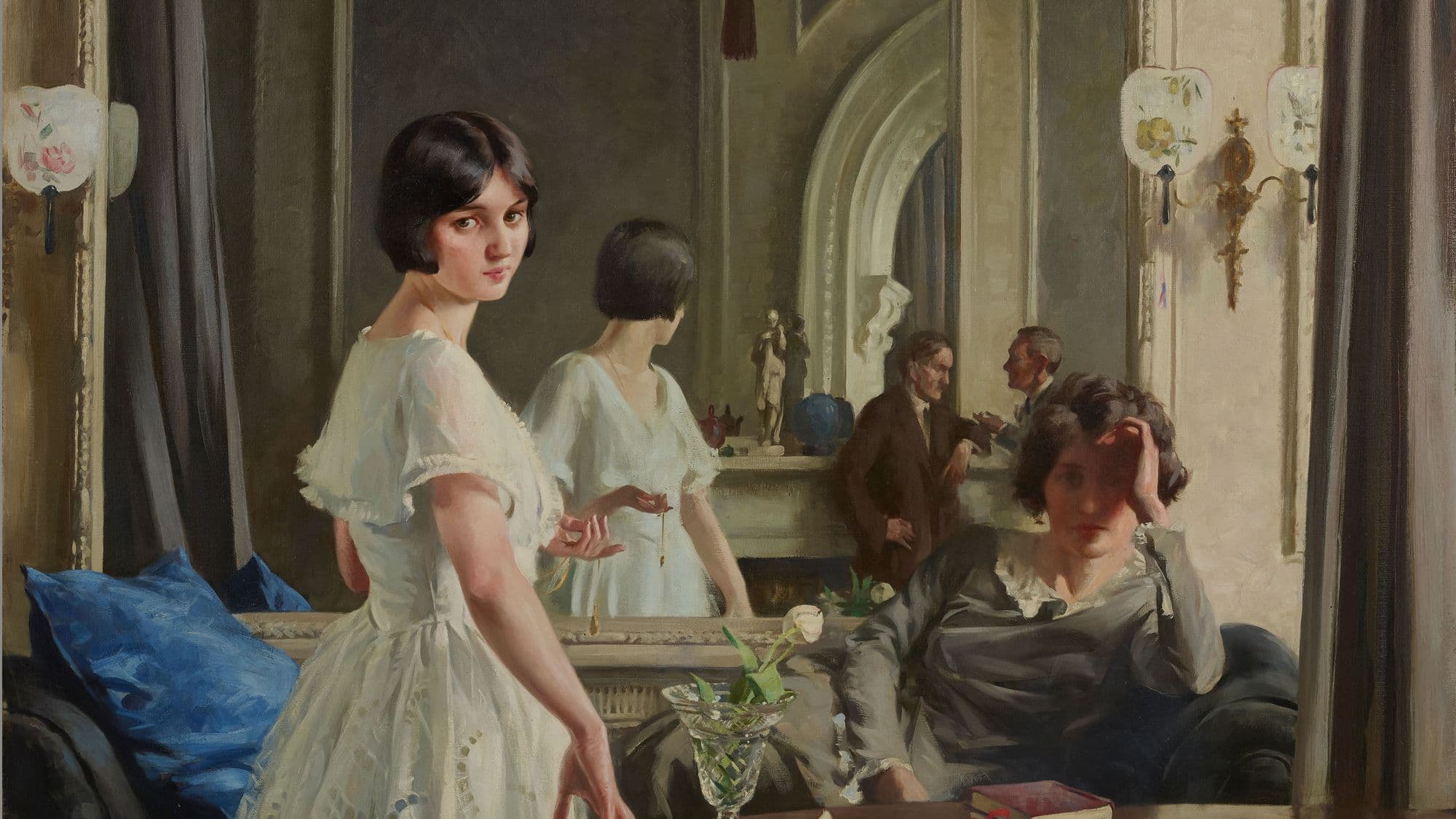
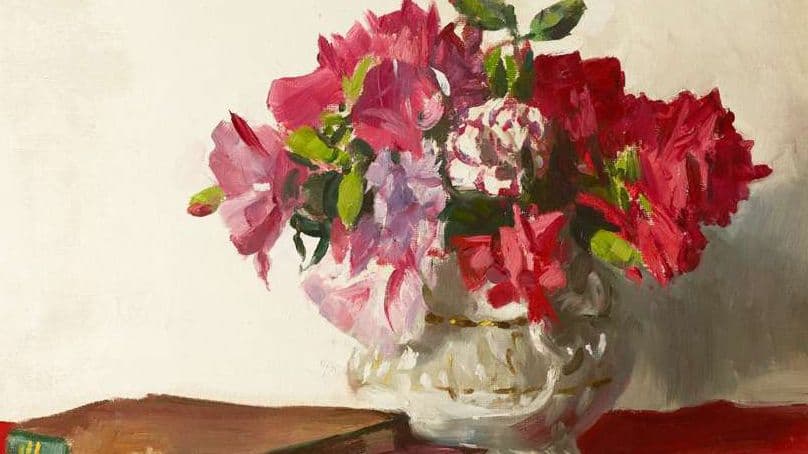
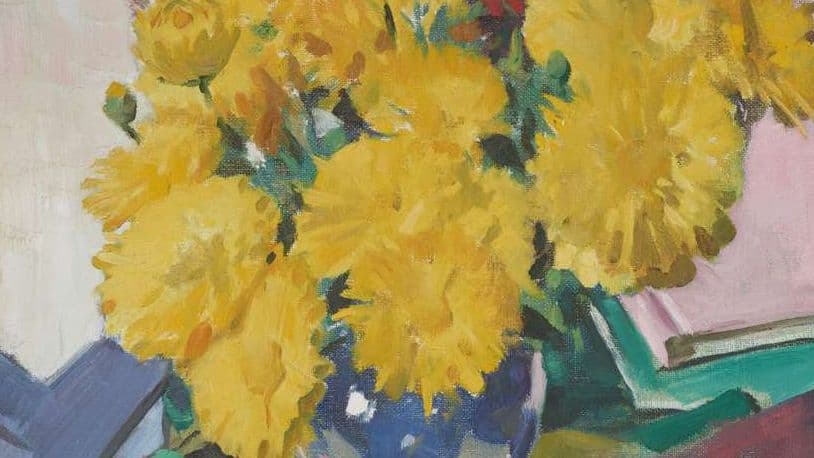
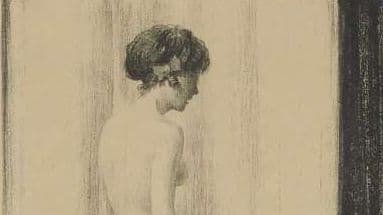
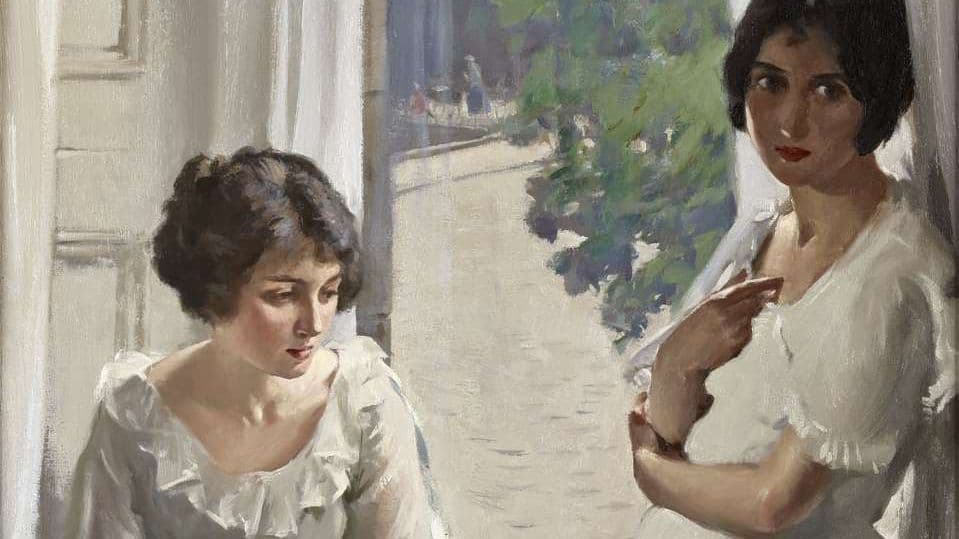
Following the First World War, during which Cursiter was awarded an OBE for his services, he moved away from Futurist paintings towards a more naturalistic style. His post-war work included elegant portraits and interior scenes, often featuring his favourite model Poppy Low, shown in this exhibition in The Gray Room. These paintings are distinguished by their use of light and colour and their careful attention to composition and detail. His interiors in particular combine portraiture and setting to create harmonious, contemplative works.
Returning to Orkney
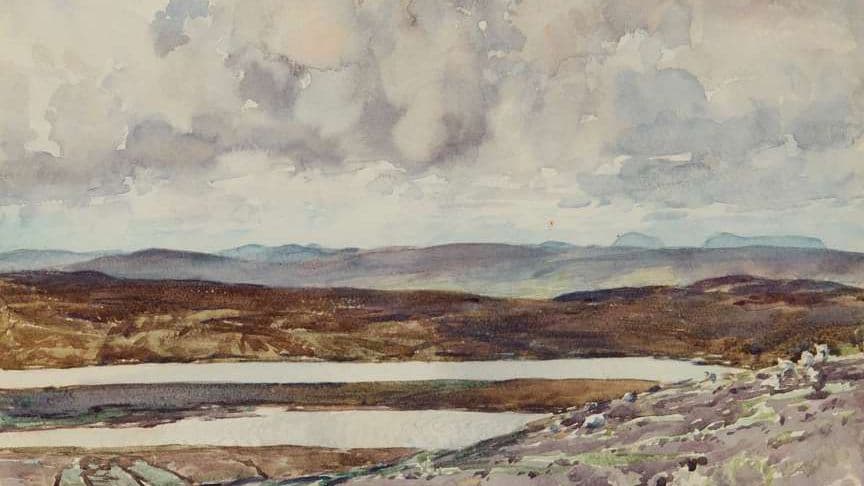
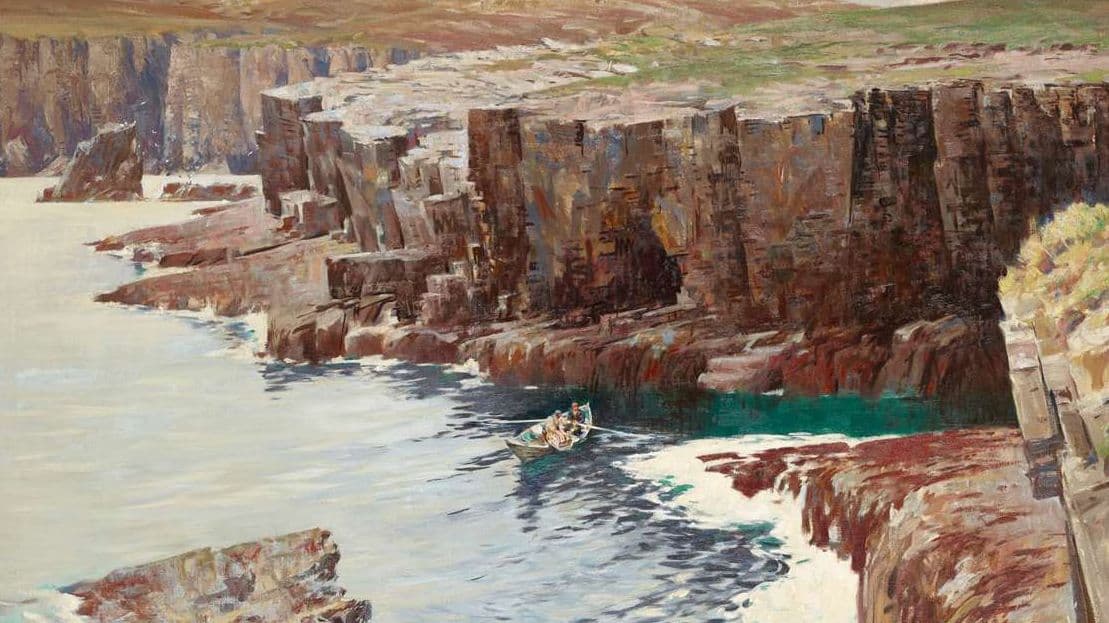
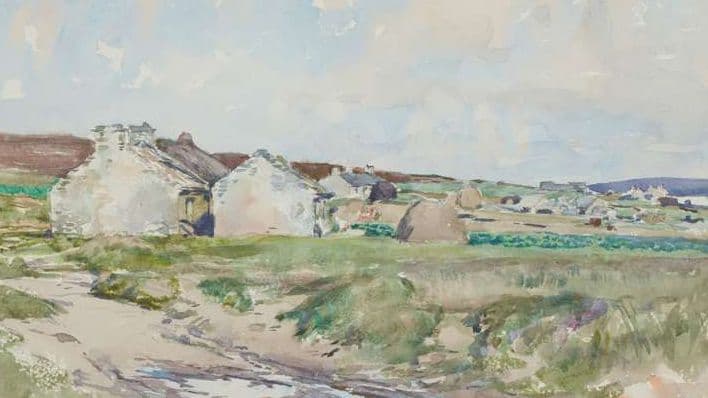
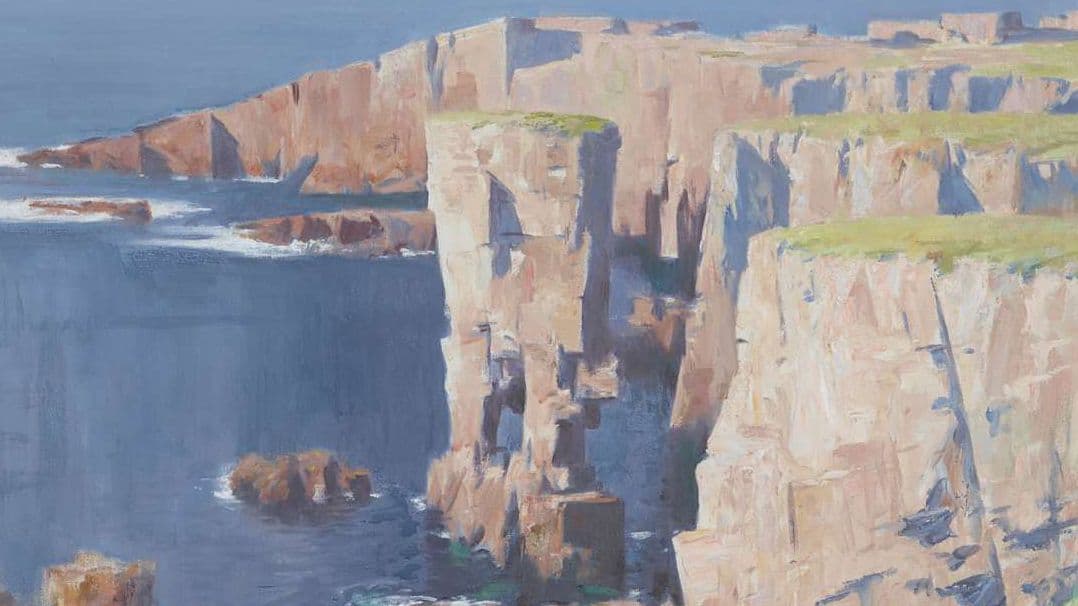
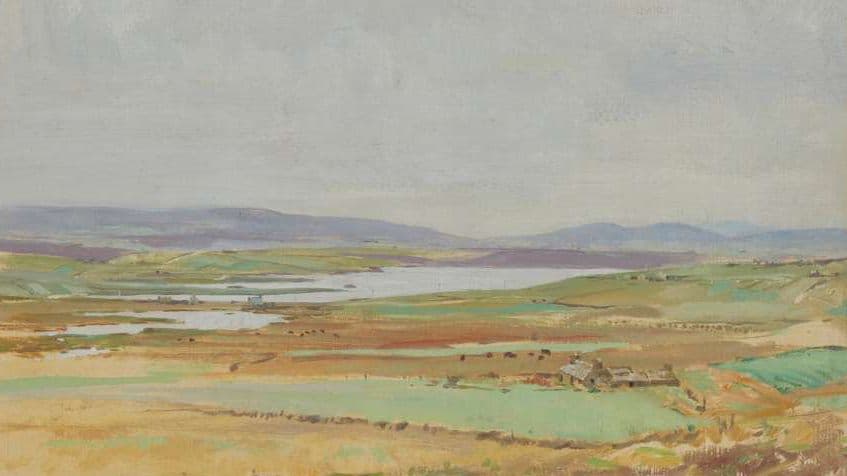
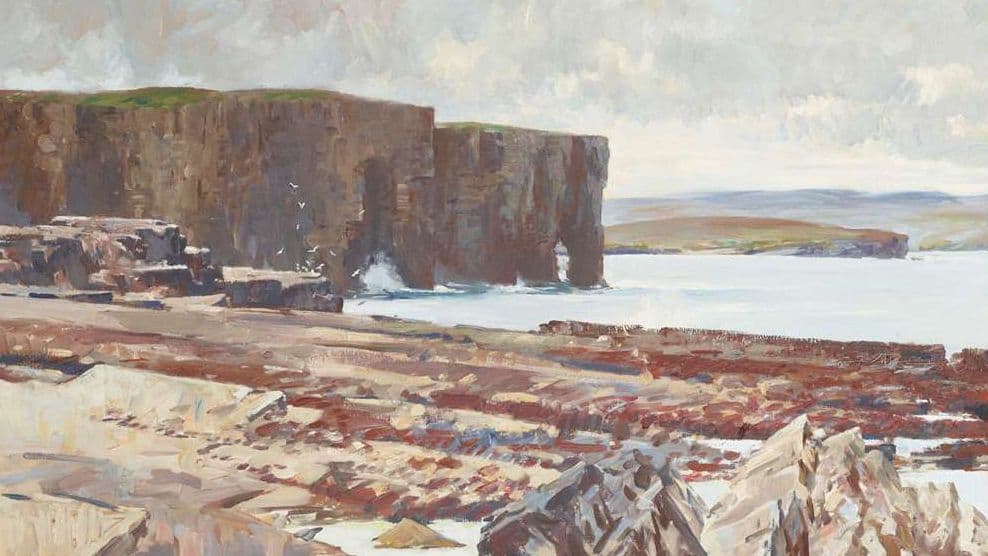
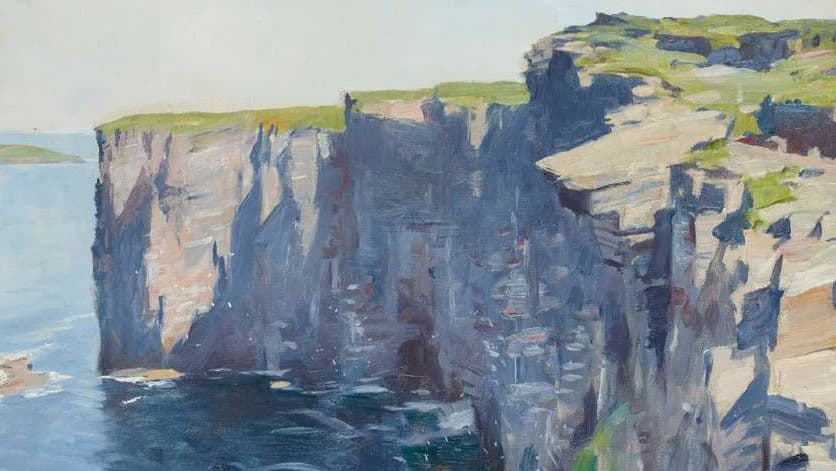
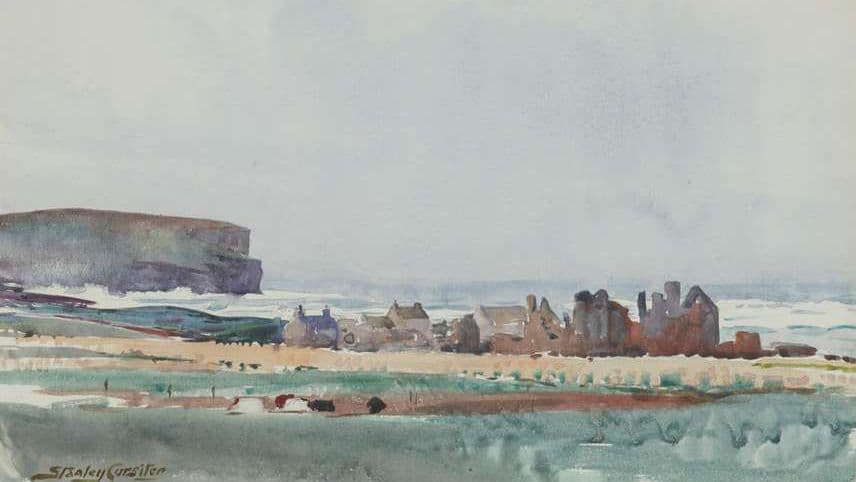
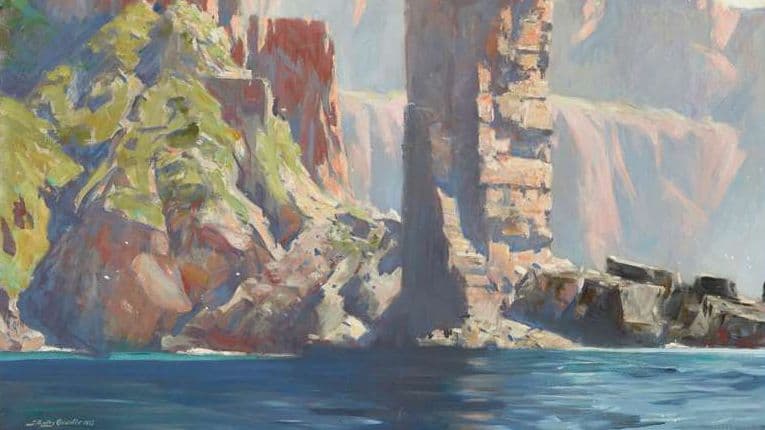
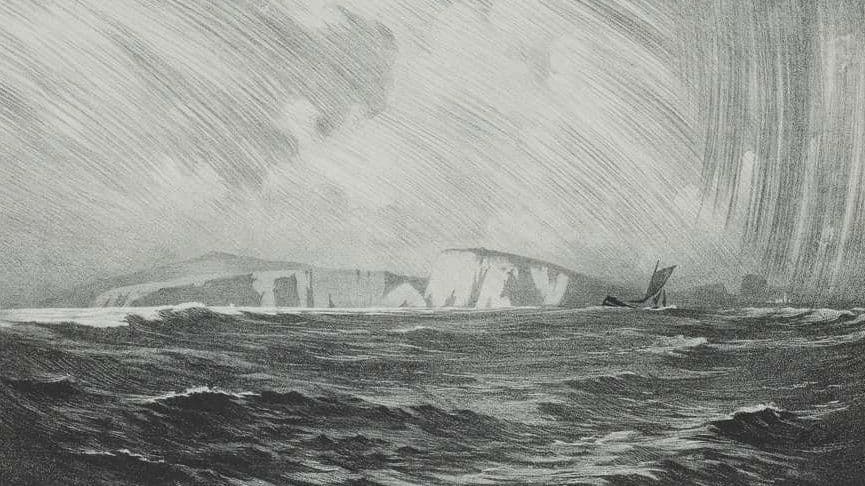
In contrast, Cursiter’s later Orkney paintings explore the dramatic coastal landscapes of the islands he loved so much. After retiring from the National Galleries of Scotland, he returned to Orkney, where he painted scenes of Stromness, Kirkwall, cliffs, harbours and the surrounding sea. Although these works are less experimental than his early modernist paintings, they demonstrate Cursiter’s ability to observe light and the changing Scottish weather, capturing both the ruggedness and quiet atmosphere of the islands.
Throughout his career, Cursiter was widely admired as both an artist and cultural figure. He served as His (later Her) Majesty’s Painter and Limner in Scotland from 1948 until his death, and he was held in high regard by his peers. In his obituary, James McIntosh Patrick described him as “handsome, genial, a good conversationalist and too infrequent broadcaster...a gifted painter who brought distinction to all he touched, including this Academy.”
Half a century after his death, Stanley Cursiter remains one of the key figures in the development of modern Scottish art. He continues to be admired both for the quality of his work and for his role in shaping the institutions and artistic development of his time.