

Lot 143
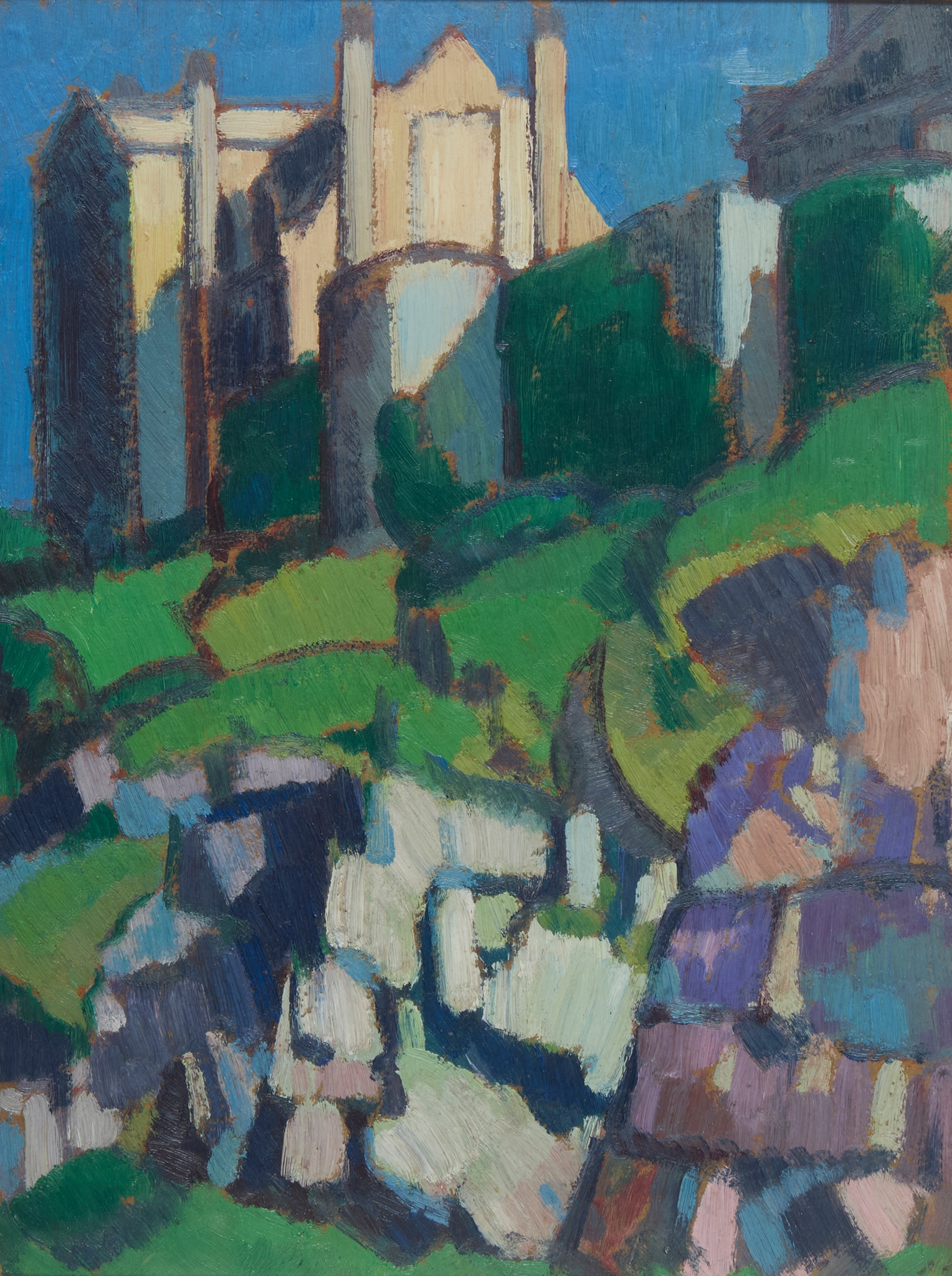
MARGARET MORRIS (SCOTTISH 1891-1980) §
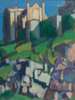
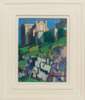
WREN FAWR
Scottish Paintings & Sculpture
Auction: Evening Sale ft. A Century of Scottish Colourists | Lots 88 to 168 | Thursday 04 June 2026 from 6pm
Description
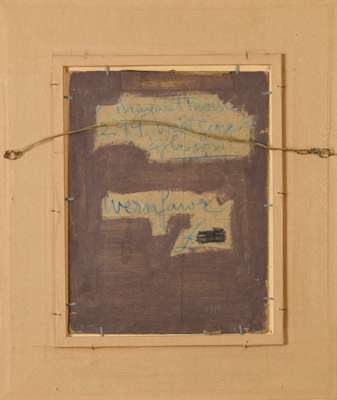
Signed and inscribed with title on the reverse, oil on board
Dimensions
35cm x 26cm (14in x 10.5in)
Footnote
The Scottish Colourist John Duncan Fergusson met the dance pioneer Margaret Morris in Paris in 1913. Their personal and professional lives were thereafter intertwined until Fergusson’s death in Glasgow 48 years later. Morris developed a system of dance, still practised today, called Margaret Morris Movement. In 1917 she held the first of her Summer Schools, which came to have a curriculum based on outdoor, barefoot dancing, a range of lectures and the study of costume and set design as well as painting. Fergusson became instrumental in the delivery of this training, whilst Morris’s pupils and her choreography provided inspiration for Fergusson’s works on paper, paintings and sculpture.
Morris’s third Summer School was held in Harlech in North Wales in 1919. As Kirsten Simister has explained: ‘This in turn was eventful, providing an introduction to George Davison, a retired businessman who had built up a substantial fortune while working as a manager for Kodak … Davison was an eccentric and self-proclaimed anarchist and his circle of friends included writers, artist and political activists.’ (Kirsten Simister, Living Paint: J. D. Fergusson 1874-1961, Mainstream Publishing, Edinburgh, 2001, p.79). The present painting is of his substantial home, Wren Fawr, which was designed for Davison by the Glasgow architect George Walton and had extensive grounds which ran down to the sea.
Davison was so taken with Morris’s endeavours that he hosted the Summer Schools of 1919 and 1921 at Wren Fawr. On Fergusson’s recommendation, Davison first bought a house in Juan-les-Pins in the south of France, before restoring one at the Cap d’Antibes, where Morris first held a Summer School in 1923, returning many times until the 1950s.