

Lot 25
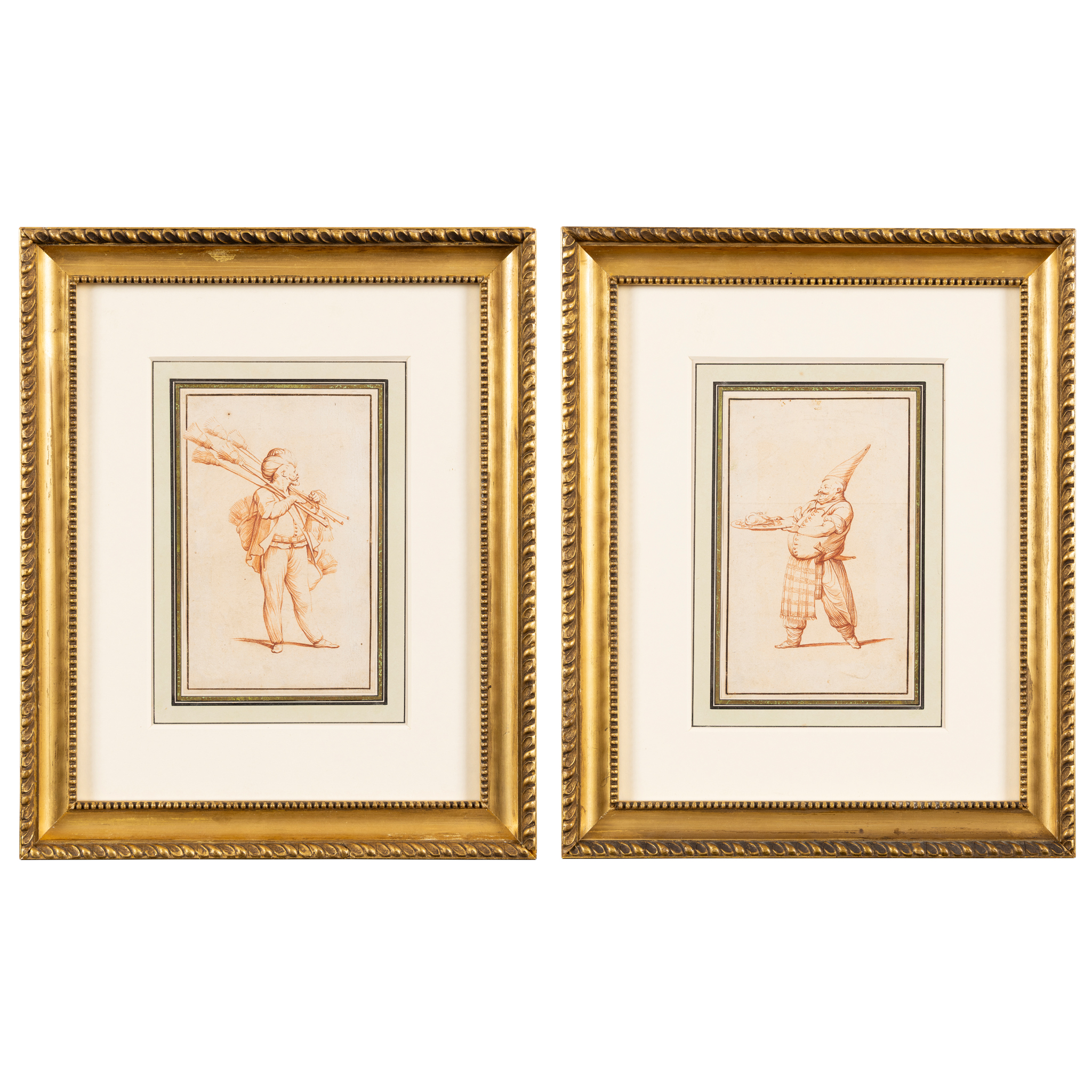
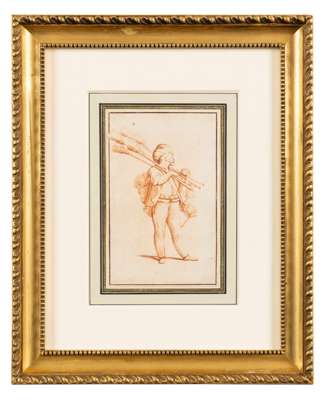
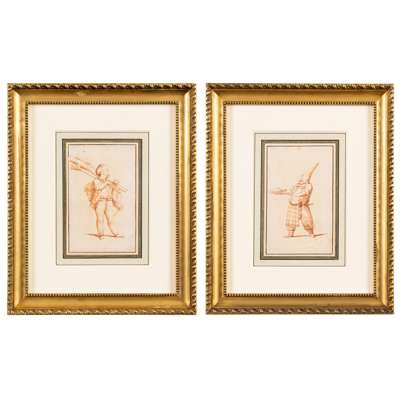
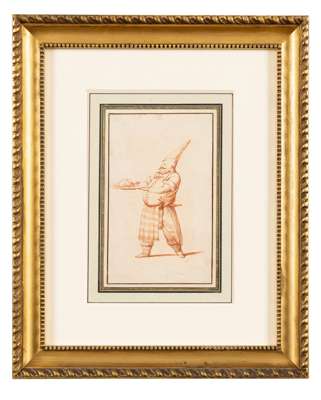
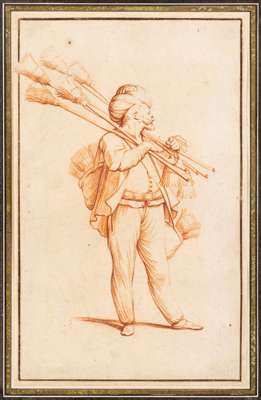
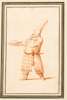
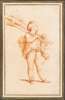
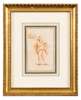
THE COURT COOK AND THE BROOM SELLER
ATTRIBUTED TO CHARLES-FRANÇOIS SILVESTRE (FRANCE, 1667-1738)
Auction: 10 June 2026 from 14:00 BST
Description
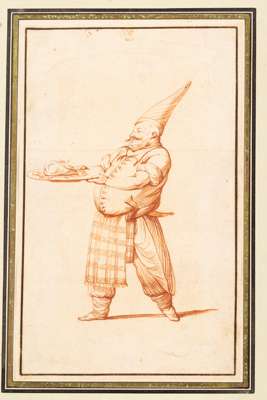
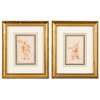
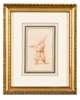
red chalk and pencil on paper, pasted on a light blue album page with gold margin, each depicting a Turkish figure, one depicting a court cook serving food, the other a broom seller, within brown ink margins
Dimensions
largest: 20.4cm x 13.8cm
Footnote
This charming pair of drawings, executed by one of the most highly respected artists of late 17th century France, demonstrate the taste for all things Ottoman which swept Europe at the time. Charles-François Silvestre (1667-1738) was the eldest son of the renowned French artist Israel Silvestre. He became himself a respected draughtsman and engraver. After studying with his father, and then under the court painter Charles Le Brun’s mentorship, Charles-François was only fourteen years old when he was made drawing master of the Great Royal Stables in Versailles. In 1691 he was given a studio in the Louvre; in 1695 he was appointed to the office of drawing master to the grandchildren of Louis XIV; and in 1717 to that of a draughtsman of Louis XV.
These sanguines served as models for a series of engravings dedicated to one of Silvestre’s three students, the Duke of Burgundy, titled Différents Habillements des Turcs Dédiez à Monseigneur le Duc de Bourgogne (‘Different Costumes of Turks Dedicated to the Duke of Burgundy’). The engraving of the first sanguine bears the French title Un Atagi ou Cuisinier du Sérail (‘Atagi, or cook of the Seraglio’). The engraving based on the second sanguine bears the French title Vendeur de balets Turc (‘Turkish broom-seller’). Such turqueries were a major trend in 18th-century France, offering artists a stylish excuse to play with exotic figures and elaborate, imaginative details. Silvestre’s drawing style is both sharp and economical, and his skills as a draughtsman shine through in these two spirited sketches. He achieves delicate chiaroscuro through varying the pressure of his red chalk, while his meticulous hatching suggests these works were specifically intended as blueprints for engravers.