

Lot 138
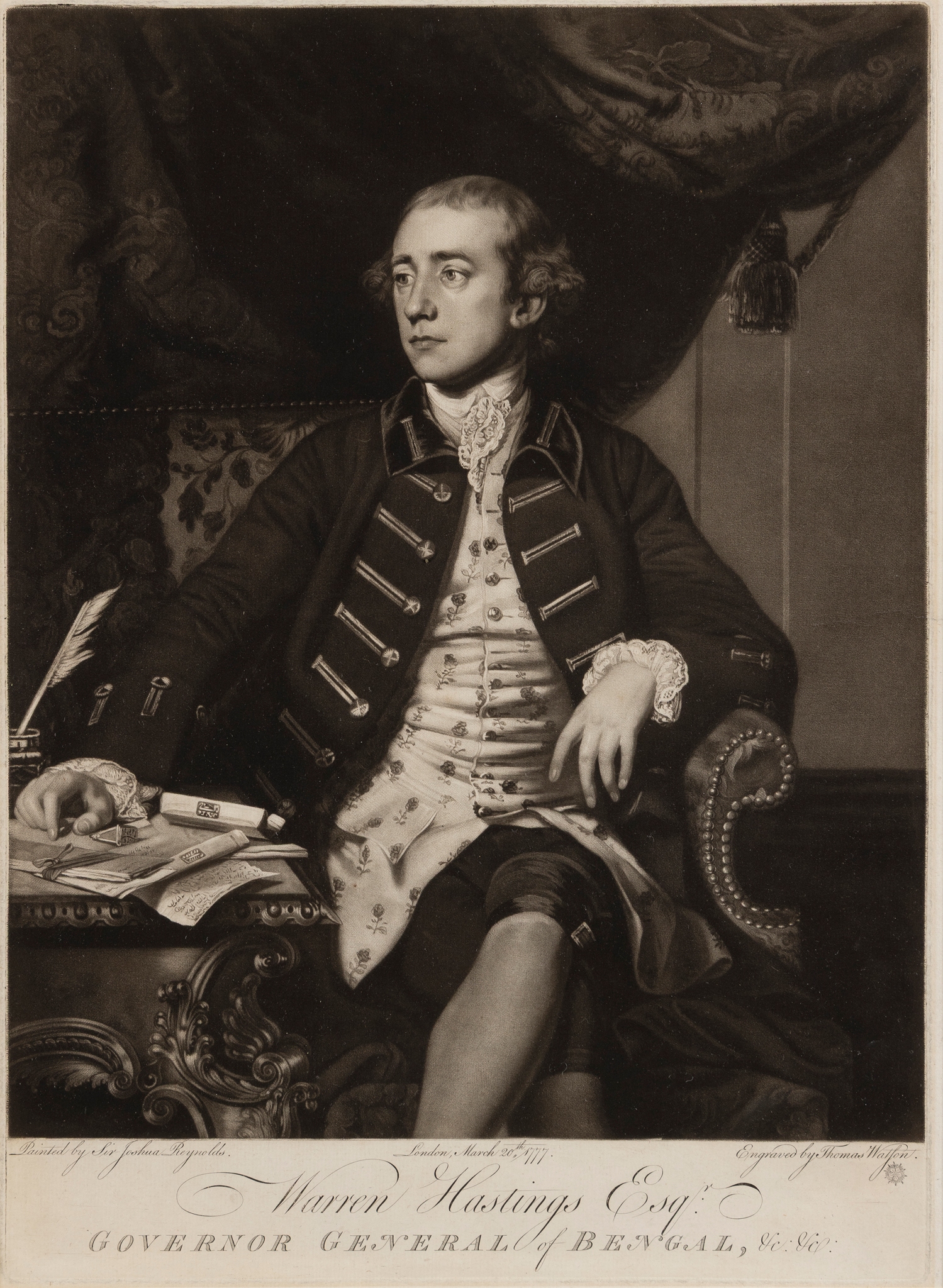
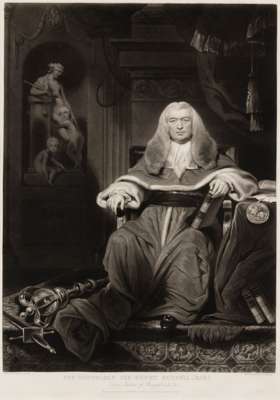
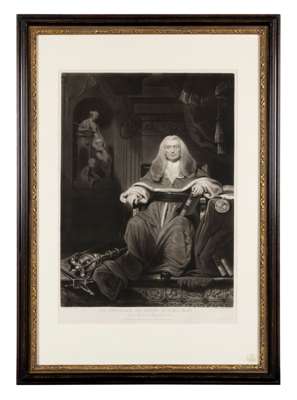
TWO PORTRAIT ENGRAVINGS OF NOTABLE BRITISH EMPIRE FIGURES IN INDIA

Auction: 10 June 2026 from 14:00 BST
Description
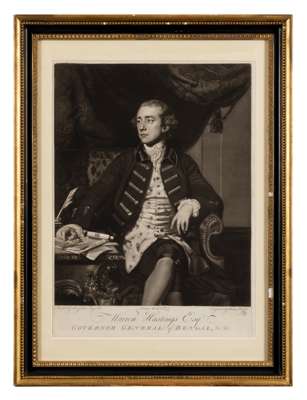
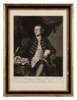
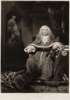
mezzotint, Thomas Watson (British 1743-1741) after Sir Joshua Reynolds (British 1723-1792) Warren Hastings Esq; Governor General of Bengal, 1777 and Samuel William Reynolds (British 1773-1835) after George Chinnery (British 1774-1852) The Honorable Sir Henry Russel, Bart, mounted, framed and glazed
Dimensions
plate: 45.5cm x 32.8cm; plate: 65.5cm x 45.4cm
Provenance
Acquired from Christies in the 1990s and early 2000s.
Private collection, Aberdeenshire.
Footnote
William Hastings joined the British East India Company at the age of 18 setting sail to India in 1750. First employed as a clerk in Calcutta he quickly impressed through the quality of his work and language ability. Hastings was quickly promoted working for William Watt (1722-1764) and later Robert Clive of India (1725-1774) where he built his experience of East India politics. Appointed Governor and then Governor General of Bengal Hastings implemented sweeping reforms, including currency unification, law codification and tax reforms. Hastings had a deep respect for the land he had lived in since his teens and by the time he became Governor General he not only spoke Bengali and Urdu but also fluent court and literary Persian.
Sir Henry Russell was called to the bar on 7th July 1783 and following a successful career was appointed a Pusine Judge in the supreme court of Bengal in 1797. After nearly 10 years in India Russell was appointed Chief Justice of the Supreme court of Bengal in 1807. In 1808 he presided over a landmark case in which a company cadet was found guilty of maliciously setting fire to an Indian hut. In passing sentence Russell defended the right of Indians to have their property and lives protected.