

Lot 71
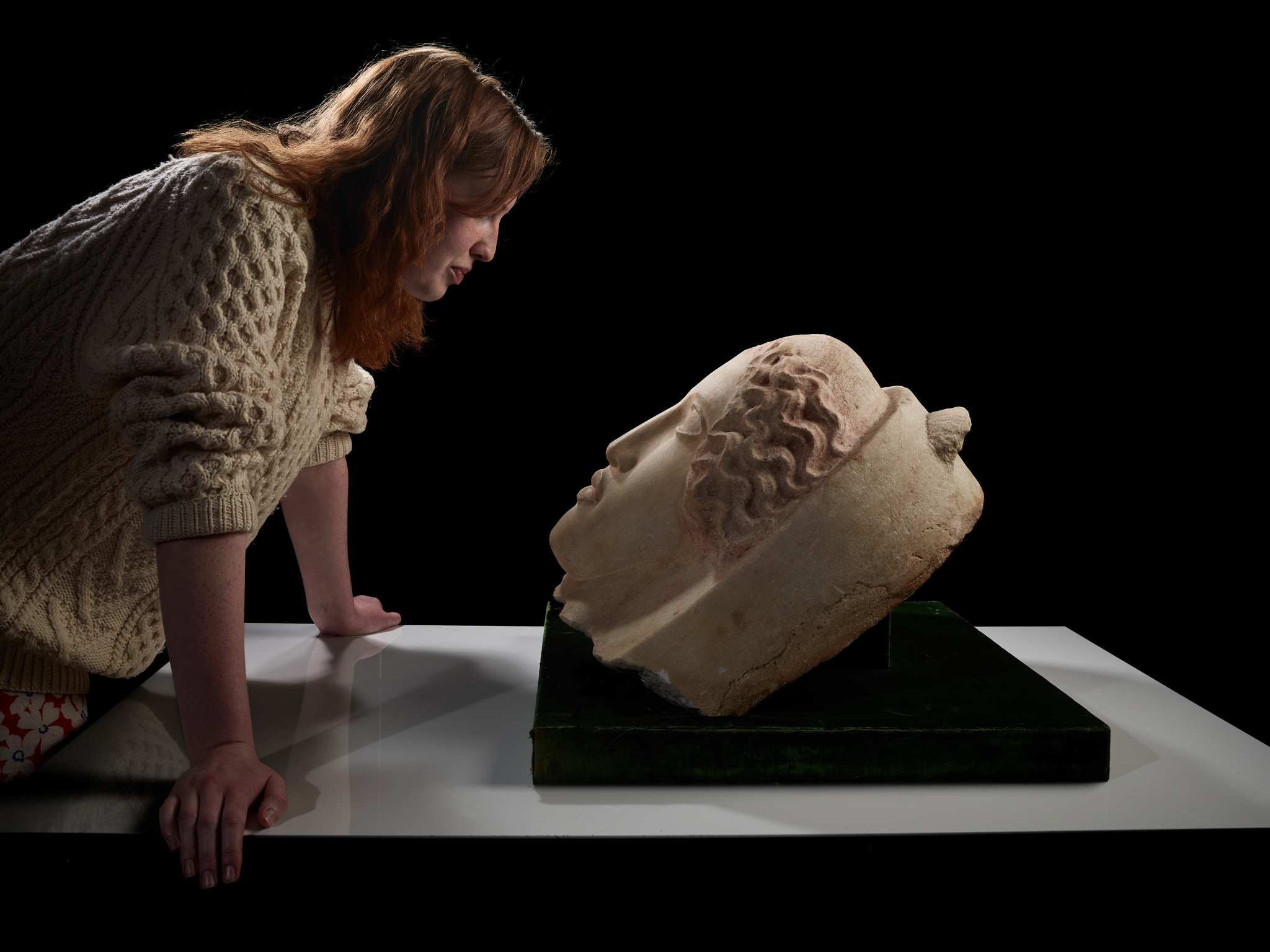
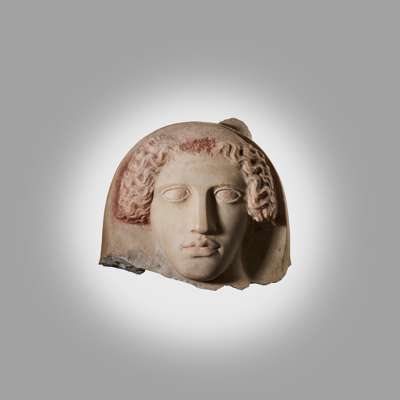
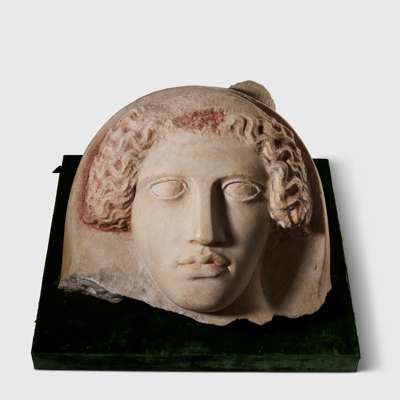
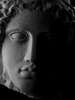
OVER-LIFESIZED GRAECO-PHOENICIAN ANTHROPOID SARCOPHAGUS HEAD
EASTERN MEDITERRANEAN, C. MID 5TH CENTURY B.C.


Auction: 26 November 2026 from 14:00 GMT
Description
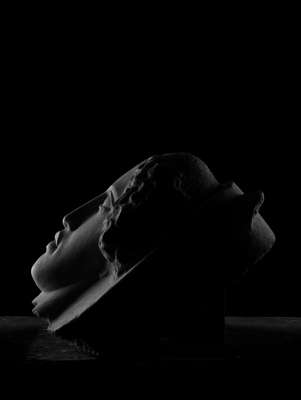
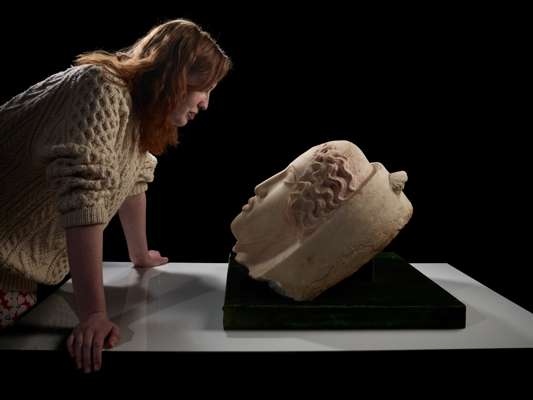
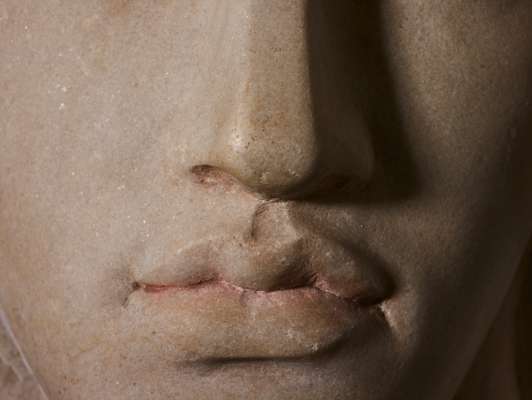
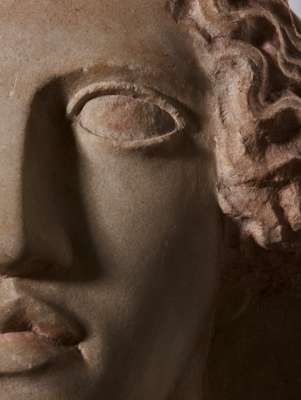
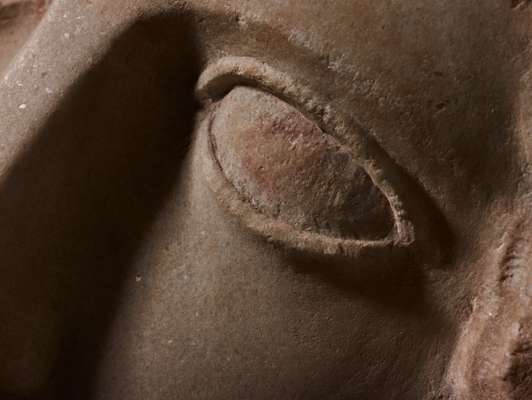
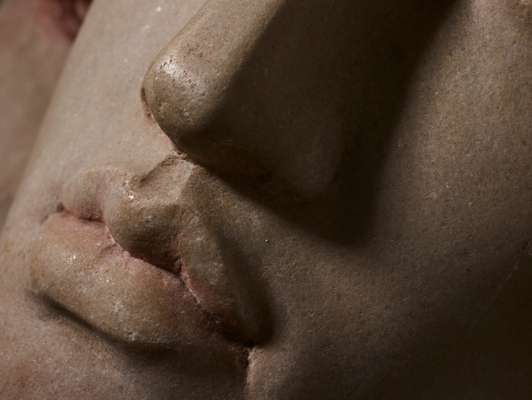
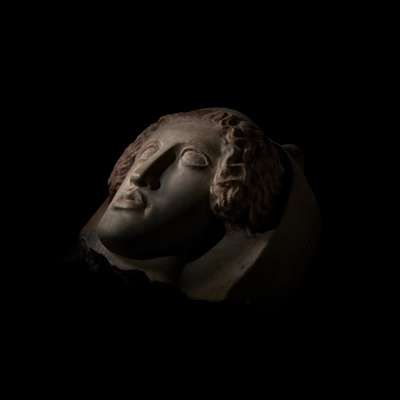
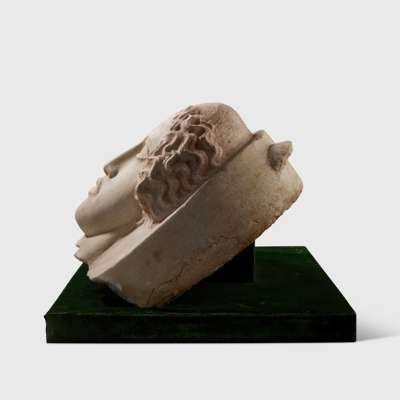
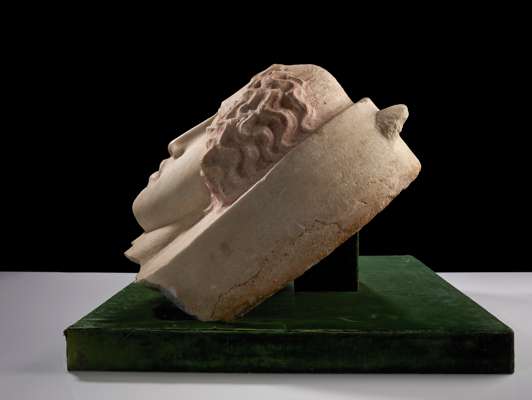
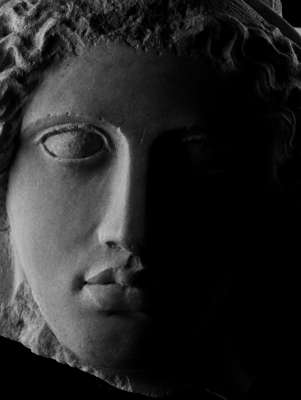
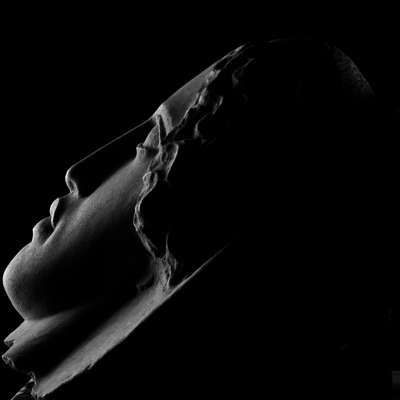
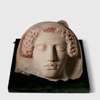
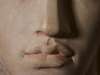
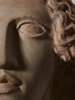
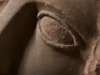
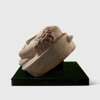
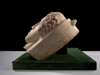
carved marble, a fragment of the top of an over-lifesized anthropoid sarcophagus, depicting a female figure with her face framed by short curls, a broad forehead, almond-shaped eyes, a straight nose and softly modelled lips; traces of red pigment survive in the hair, raised on a bespoke mount
Dimensions
45.8cm tall
Provenance
Acquired by Stanley J. Seeger (1930–2011) from Galerie Nefer, Zurich, Switzerland, on 29 January 1989, for $120,000; a copy of the original invoice accompanies the lot.
Thence by descent.
Footnote
The proportions of this sculpture identify it as the head from the lid of an anthropoid sarcophagus, reflecting the cultural and artistic exchange that characterised the Phoenician world during the mid first-millennium B.C. The principal Phoenician cities, including Sidon, Tyre and Byblos, prospered through maritime trade, connecting the eastern Mediterranean with the Aegean, Egypt and the wider Mediterranean world. Their commercial networks facilitated not only the exchange of goods, including timber, metals, glass and luxury commodities, but also the movement of craftsmen, and with them artistic techniques and ideas.
These varied influences were particularly evident in funerary sculpture. The tradition of anthropoid sarcophagi in Phoenicia is thought to have come from Egypt, with the earliest known local example being the sarcophagus of King Ahiram of Byblos, dating to the 13th–12th century B.C. During the late 6th and early 5th centuries B.C., several kings of Sidon were buried in imported Egyptian basalt sarcophagi, which retained distinctly Egyptian stylistic features, indeed, two of the most notable examples, the sarcophagi of King Tabnit and King Eshmunazar II, are both thought to have originated during Egypt’s Twenty-sixth Dynasty, and may have originally been acquired by the Sidonians following their participation in the Battle of Pelusium in 525 B.C. Their Egyptian character is reinforced by their resemblance to contemporary examples, including the sarcophagus of Horkhebit from Saqqara, now in the Metropolitan Museum of Art.
These kingly sarcophagi inspired a local tradition of anthropoid sarcophagi carved in white marble, which increasingly took on a distinctly hybrid Phoenician style. Produced during the 5th and 4th centuries B.C., these works (of which the present example is one) combine the Egyptian-derived form with Greek sculptural conventions. The modelling of the facial features and rendering of the eyes in particular are attributed to Greek craftsmen, illustrating the cosmopolitan character of Phoenician society and the circulation of artistic expertise across the Mediterranean. From its origins in Sidon, the tradition spread throughout the Phoenician world, as far as Carthage and even Iberia, demonstrating how local funerary practices evolved through sustained cultural and commercial contact. See Moscati, ‘Sarcophagi’, in The Phoenicians, pp. 292–299.
For similar, please see: The Metropolitan Museum, New York, accession number 74.51.2452.