

Lot 39
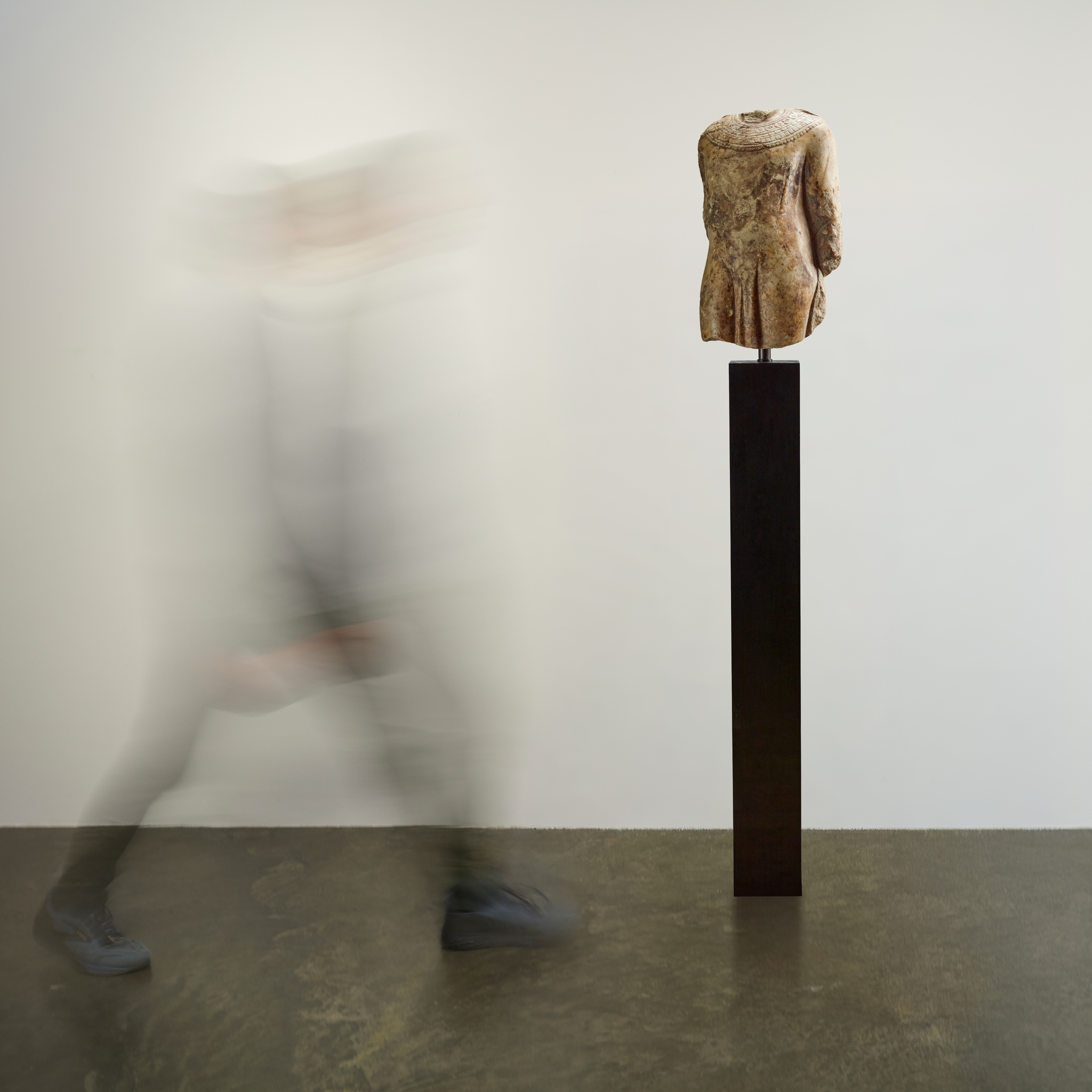
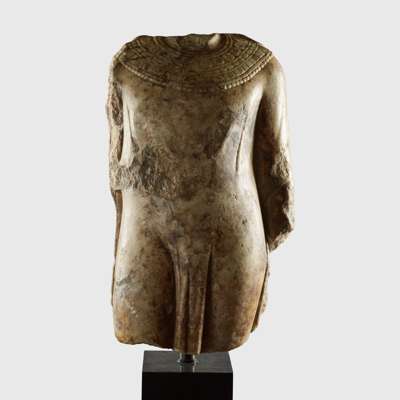
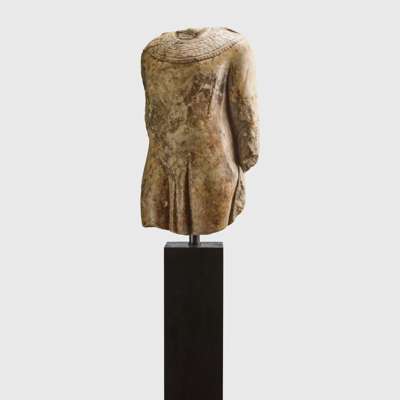
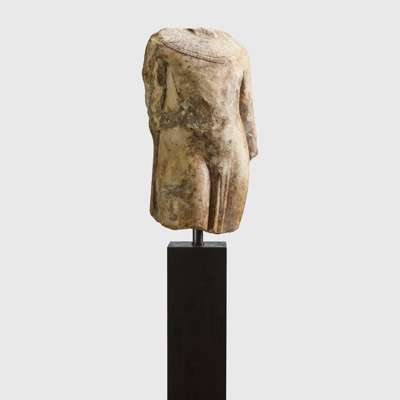
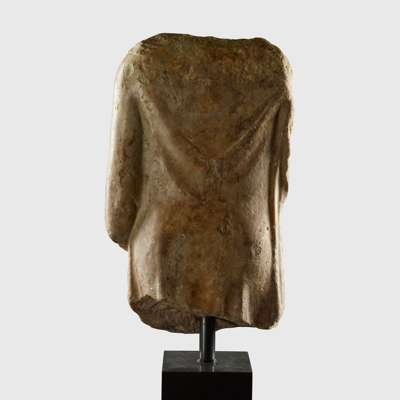
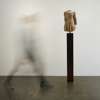
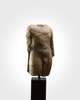
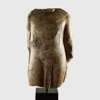
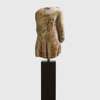
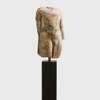
LARGE ROMAN TORSO OF AN EGYPTIAN PRIEST ‡
EUROPE, IMPERIAL PERIOD, 1ST - 2ND CENTURY A.D.
Auction: 28 May 2026 from 13:00 BST
Description
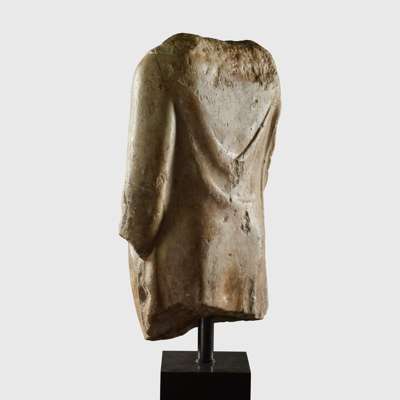
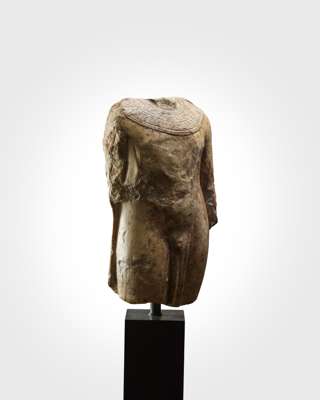
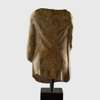
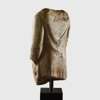
carved alabaster, the large fragmentary figure shown in fine drapery, with an angled posture, the chest and abdomen are broad and softly modelled, the figure wears a finely incised wesekh, raised on a bespoke metal stand
Dimensions
56cm tall (unmounted), height including stand 160cm
Provenance
Merrin Gallery, New York, United States, by 1986
Subsequently in the collection of US fashion designer Linda Allard, New York, (b. 1940)
Published:
Edward H. Merrin Gallery, Inc. The Majesty of Ancient Egypt and the Classical World, New York, 1986, p. 31 (ill).
Footnote
Discussing the present piece in The Majesty of Ancient Egypt and the Classical World (Merrin, 1986, p. 31), the author notes:
“Due to the increasing demand for Egyptian objects among the Roman elite, Egyptian sculptors who had settled in Italy created objects in the Egyptian style. This figure, a priest of Isis, is very classical in posture, the Egyptianizing influence can be seen in his broad collar, which is similar to one worn by Tutankhamun."
As Merrin notes, Roman elites had a strong appetite for Egyptian imagery, which meant artists had to adapt their work to suit contemporary tastes in Italy. The result was often a blend of styles that felt both familiar and exotic to buyers.
In this case, the priest’s “classical” body reflects the artistic preferences of Roman consumers, who were used to naturalistic, idealised forms in sculpture. At the same time, details like the broad collar were kept deliberately “Egyptian” to signal authenticity and add cultural prestige. For a Roman patron, such a piece would have worked almost like a luxury collectible, something that conveyed sophistication, religious interest in Isis, and participation in fashionable trends associated with Egypt.
For a similar example, please see:
Roullet, A. (1972) The Egyptian and Egyptianizing Monuments of Imperial Rome. Leiden: E.J. Brill, pl. CXIV, no. 158.