

Lot 37
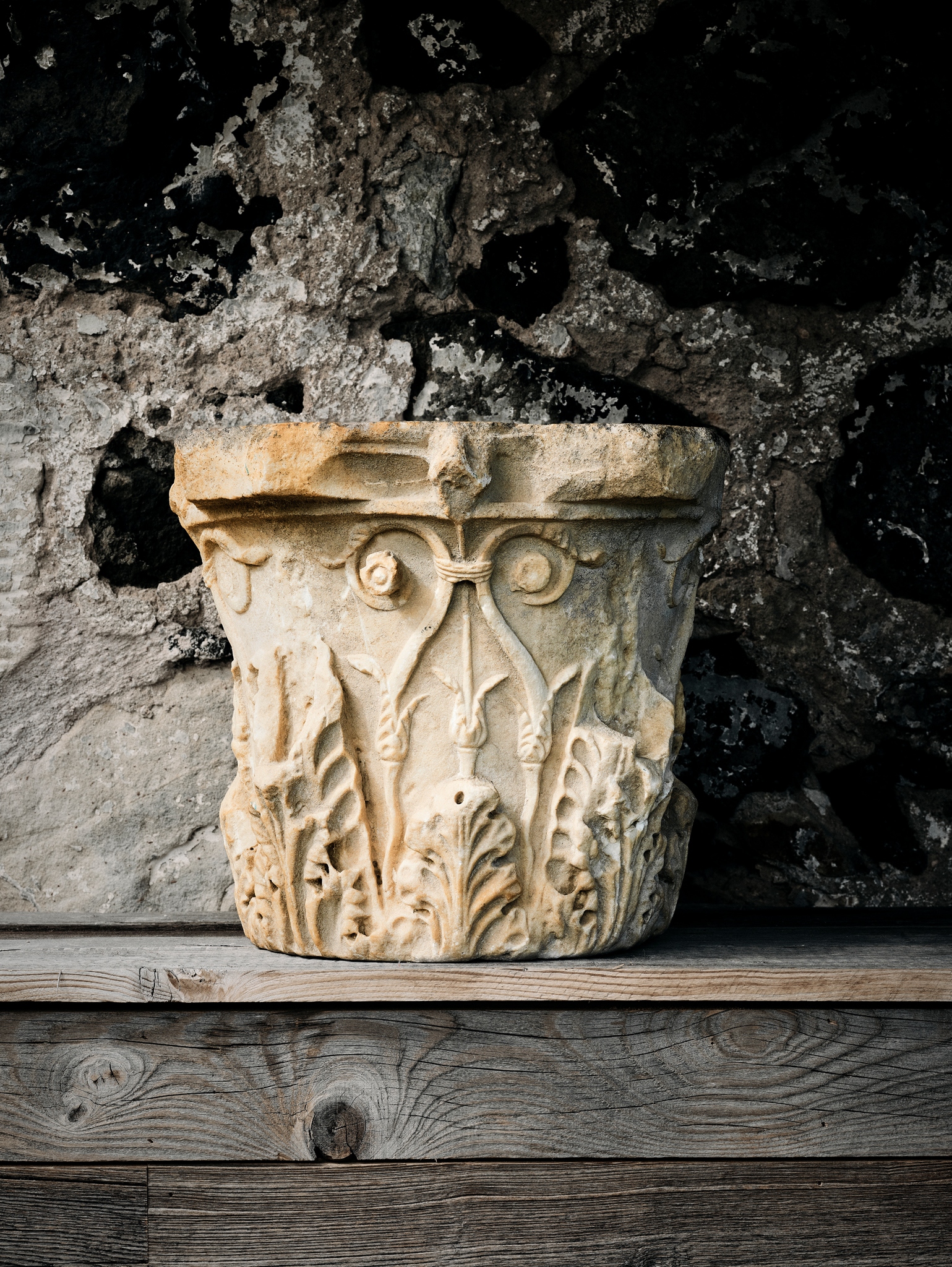
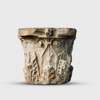
ROMAN CORINTHIAN COLUMN CAPITAL
WESTERN EUROPE, 1ST - 2ND CENTURY A.D.
Auction: 28 May 2026 from 13:00 BST
Description
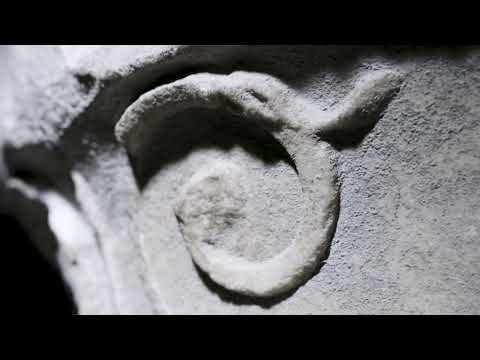
carved marble, with dual tiers of acanthus leaves, floral ornaments and scrolling vines above
Dimensions
32.6cm tall
Provenance
Sotheby's, New York, March 1st - 2nd 1984, Antiquities and Islamic Art, Including the Collection of the Late Lester Wolfe, lot 82.
Subsequently in the collection of Iosif Ioselevich (December 30, 1945 – March 9, 2024), Leonardo, New Jersey
Footnote
The finely carved acanthus leaves, curling volutes, and central flower identify this piece as a Corinthian column capital. First developed in ancient Greece and later widely adopted by Rome, the Corinthian order became the most decorative and popular architectural style of the Roman world. The writer Vitruvius described it as the tallest and most slender of the classical orders:
“The Corinthian capital was discovered in the following manner. A freeborn maiden of Corinth, just of marriageable age, fell sick and died. After her burial, her nurse collected into a basket some little things which the girl had prized in life, and carried it to the tomb, placing it on top and covering it with a tile so that it might last longer in the open air. This basket happened to be set over the root of an acanthus plant. As the leaves grew in spring, they curled up around the basket, and, meeting the corners of the tile, were forced to bend outward in the form of volutes.”
Vitruvius, De Architectura, IV.1.9–10.