

Lot 77
Grose, Francis (1731-1791)
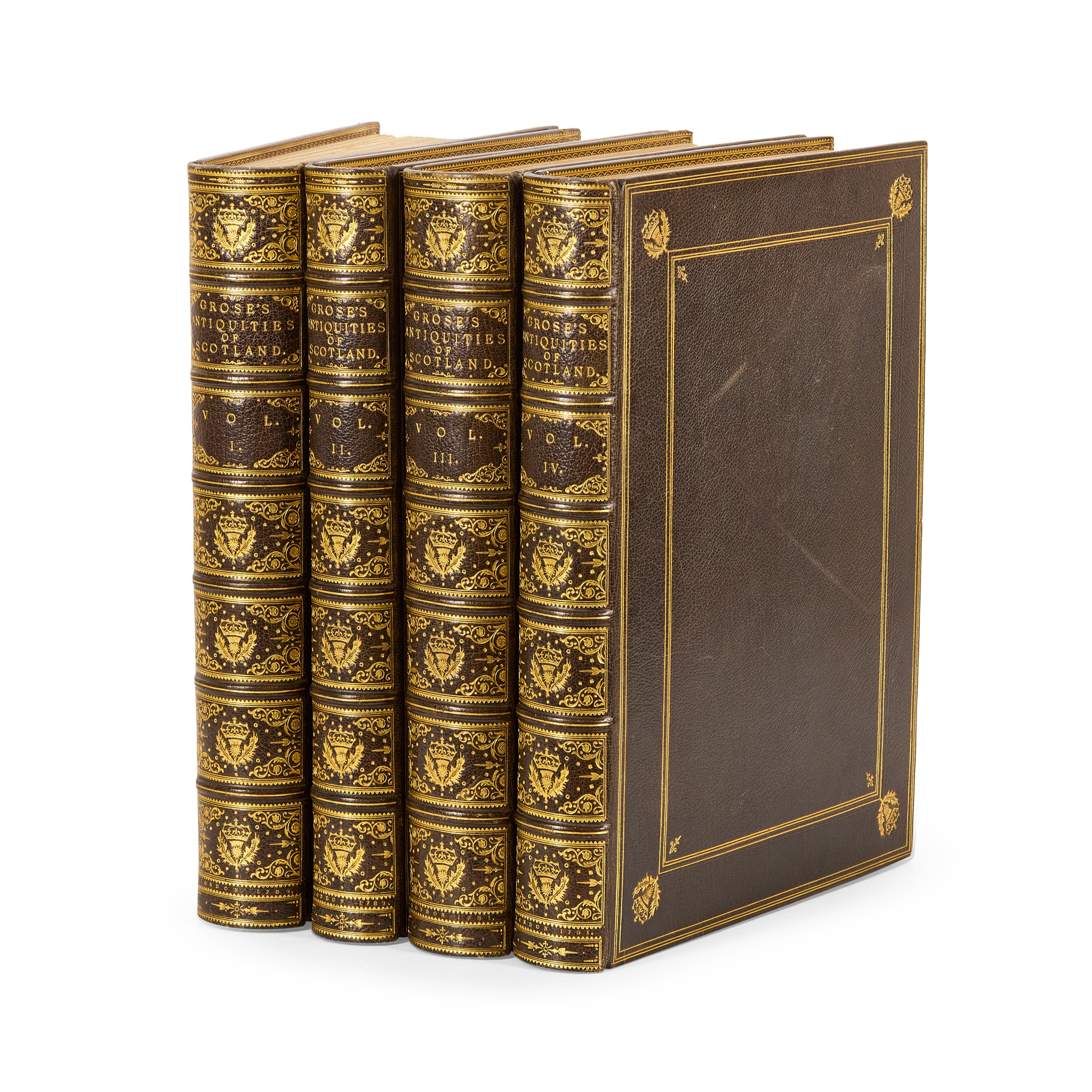
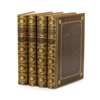
The Antiquities of Scotland, extra-illustrated with Grose's original watercolours
Auction: 16 June 2026 from 10:00 BST
Description
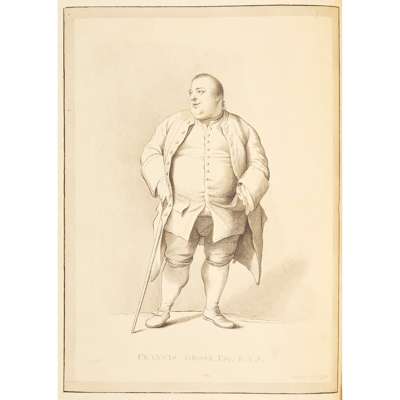
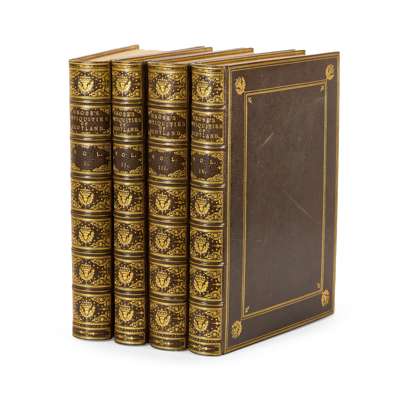
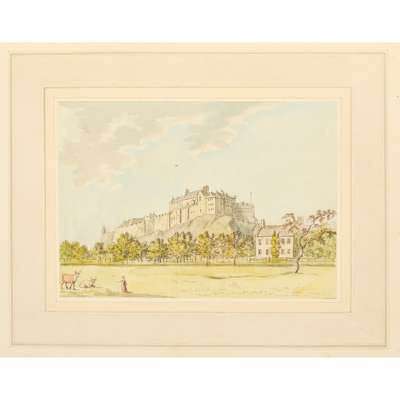
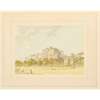
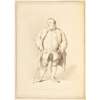
London: printed for S. Hooper, 1789-1791. First edition, large-paper copy, 2 volumes extended to 4, 4to (32 x 23cm), early 20th-century black morocco by Riviere, spines richly gilt in compartments with large crown-and-thistle motifs to centre, similar motifs to corners of covers between concentric French-fillet frames in gilt, marbled endpapers, various (dogtooth, guilloche and Vitruvian scroll) rolls to turn-ins and pastedowns, all edges gilt, 190 engraved plates, folding engraved hand-coloured map, extra-illustrated with 189 watercolours, apparently Grose's original sketches for the work, each 17.6 x 12.5cm, on card mount with wash border, with contemporary manuscript caption in ink to verso, and bound in after the relevant engraved plate (with the watercolour for all but 2 of the engraved plates present, i.e. Heriot's Hospital and Jedburgh Abbey, but with the watercolour for the the vignette title-page of volume 1), and with an aquatint portrait of the author (dated 1795, after Nathaniel Dance), volume 1 initial blank annotated in pencil ‘With the original drawings’ and a tipped-in auction or bookseller's catalogue description for this set, damp-staining throughout volume 2 with slight discolouration of binding and some occasional spotting in the other 3 volumes [ESTC T141301] (4)
Provenance
1) The Marchese di Salza, presumably Francesco Maria Berio (1765-1820) rather than his father Domenico (d.1791), with engraved bookplate re-imposed to front pastedowns.
2) Dudley Coutts Marjoribanks, 1st Baron Tweedmouth (1820-1894), with his tan morocco book-labels (also presumably re-imposed).
3) Robert Frederick Green (bookplates dated 1909).
4) Private collection, Scotland.
Footnote
In the introduction to the work Francis Grose describes how he supplemented his own sketches by assembling drawings from other artists including Thomas Clerk of Eldin, the Royal Artillery officer Henry Hutton, and Thomas Pennant's draughtman Moses Griffiths, and then ‘reduced and finished up every drawing but one for the engraver’ (p. xxi).
The Antiquities of Scotland is also noted for containing the first appearance in print of Robert Burns's poem ‘Tam o’ Shanter': 'The Antiquities of Scotland was compiled with tours in 1788, 1789, and 1790 and publication was completed in April 1791. On his second tour, in summer 1789, he met Robert Burns and the two became firm friends. He became the subject of some witty verses by Burns, who was inspired by Grose to write 'Tam o' Shanter' to accompany a drawing of Alloway kirk printed in The Antiquities of Scotland' (ODNB).