

Lot 58
Peninsular War
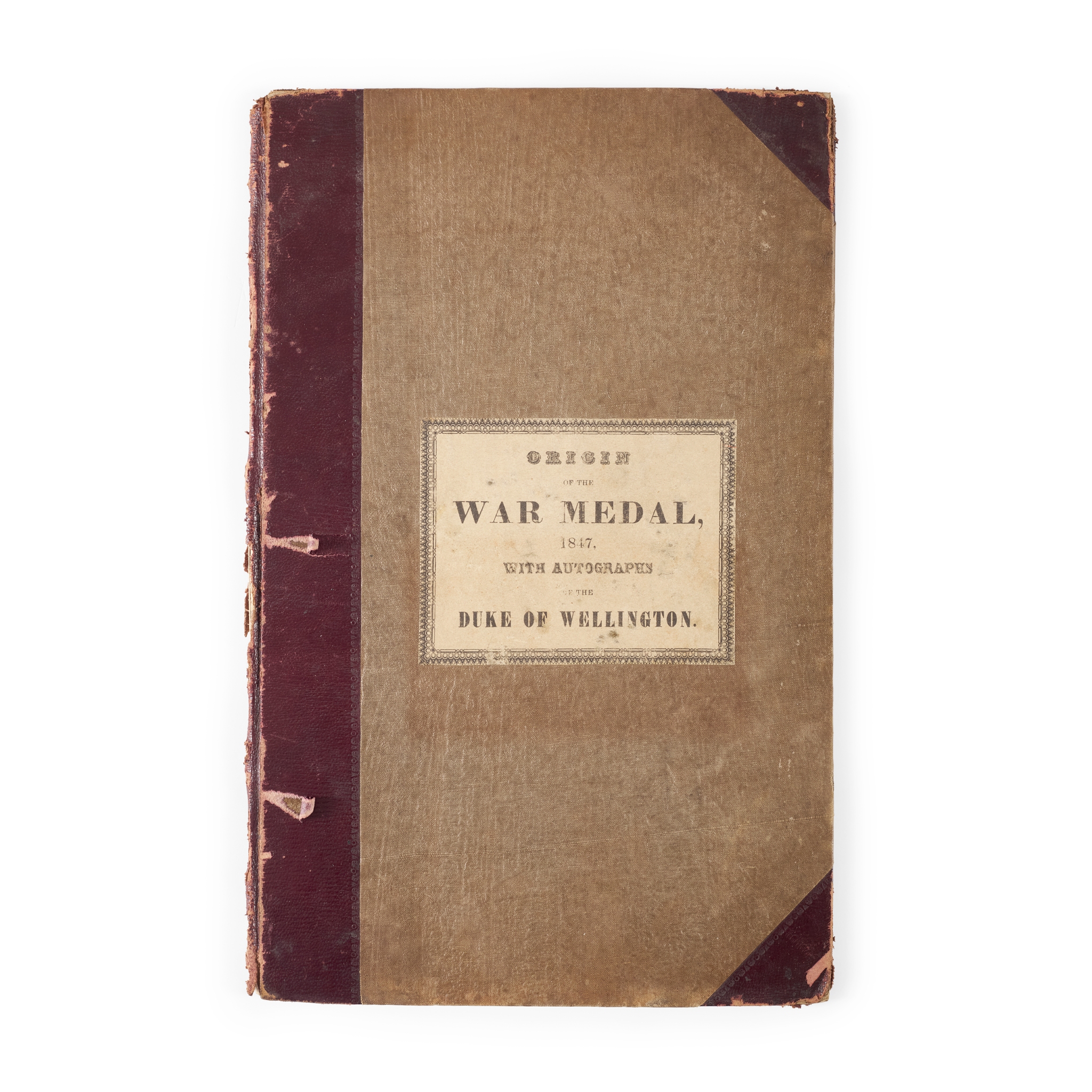
General Sir James Edward Alexander's personal record of the creation of the Peninsular War Medal
Auction: The Library of General Sir James Alexander | Wed 25 February from 10am | Lots 31 to 62
Description
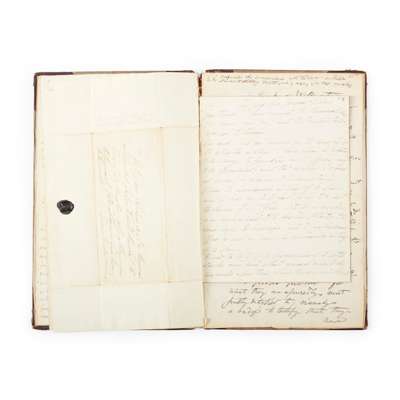
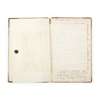
Folio (32 x 19.5cm), maroon half skiver binding, printed label reading ‘Origin of the War Medal, 1847, with Autographs of the Duke of Wellington’ to front board and first leaf, the latter additionally with Alexander's pencilled ownership inscription ‘J. E. Alexander, A.D.C, Montreal 1850’, contents include: 2 autograph letters signed from the Duke of Wellington, both tipped in, the first dated 7th January 1840, 7 pp., 4to, providing a lengthy justification for his refusal to interfere in the matter, retaining original envelope addressed by Wellington ‘To the officers … calling themselves the Remnant of the Captains and Subalterns of the Peninsula’, with Wellington's black wax seal, the second 3 pp., 8vo, reiterating his refusal, retaining original House of Lords penny post envelope addressed by Wellington to ‘The Gentlemen calling themselves the remnant of the Captains and Subalterns …’ (tipped to final page of first letter); cutting of the Naval and Military Gazette article enclosed in the original letter to Wellington; and Alexander's autograph copy of his introductory article to the correspondence as subsequently printed in the NMG, with a postscript dated Montreal, 1850, celebrating the eventual success of the campaign for the creation of the medal, signed ‘J. E. Alexander Knt, A.D.C.’, 2 pp., skinning and wear to backstrip
Provenance
THE LIBRARY OF GENERAL SIR JAMES EDWARD ALEXANDER (1803-1885)
Footnote
General Alexander's fervent admiration for the Duke of Wellington seems to have surpassed the level of respect conventionally due from a 19th-century military man to Britain's greatest soldier. One of his prized possessions was the ‘Assaye Box’, a small trinket case made from the roots of a mango tree which he dug up in 1823 as a young cornet in the Madras Light Cavalry, believing Wellington to have stood beside it during his victory at Assaye 20 years previously. In 1840 he published his Life of Field Marshall, His Grace the Duke of Wellington, though Wellington's peremptory responses contain no acknowledgment of his correspondent's biographical labours.