William Nicholson remains one of the most distinctive British artists of the twentieth century. Best known for his paintings of still lifes, portraits and landscapes, he had a particular ability to capture fleeting effects of reflected light and rich shadow, giving life to subjects as simple as a glazed earthenware vase or lustre bowl.
Yet painting was only one part of Nicholson’s practice. He was also an important draughtsman, designer and printmaker, and printmaking was one of his earliest forms of experimentation and expression. This breadth was explored in Pallant House Gallery’s recent exhibition William Nicholson, which traced his career across still life, portraiture, landscape and print.
William Nicholson and the Beggarstaffs
Nicholson began his career in collaboration with his brother-in-law, James Pryde, designing posters for theatres and commercial products under the pseudonym J. & W. Beggarstaff.
Their innovative designs were characterised by stark silhouettes, simplified forms and minimalist compositions. Although critically admired, their distinctive approach was often considered too avant-garde by advertisers for widespread commercial use.
The experience was nevertheless important to Nicholson’s development. The bold shapes, strong outlines and visual economy of the Beggarstaff posters would also become characteristic of his later printmaking.
William Nicholson's Prints
Nicholson recognised the possibilities offered by a society in which popular imagery was increasingly sought after and began his printmaking journey afresh with the help of publisher William Heinemann.
Working primarily in woodcut, Nicholson developed a visual language that was bold, immediate and engaging. There followed a sequence of portfolios including An Alphabet (1897 - 98), An Almanac of Sports (1898) and London Types (1898), which met with considerable commercial success.
These works established Nicholson as an important printmaker before painting became his principal means of earning a living.
William Nicholson's Paintings
Although printmaking and design played an important role in his early career, painting would ultimately become Nicholson’s principal focus.
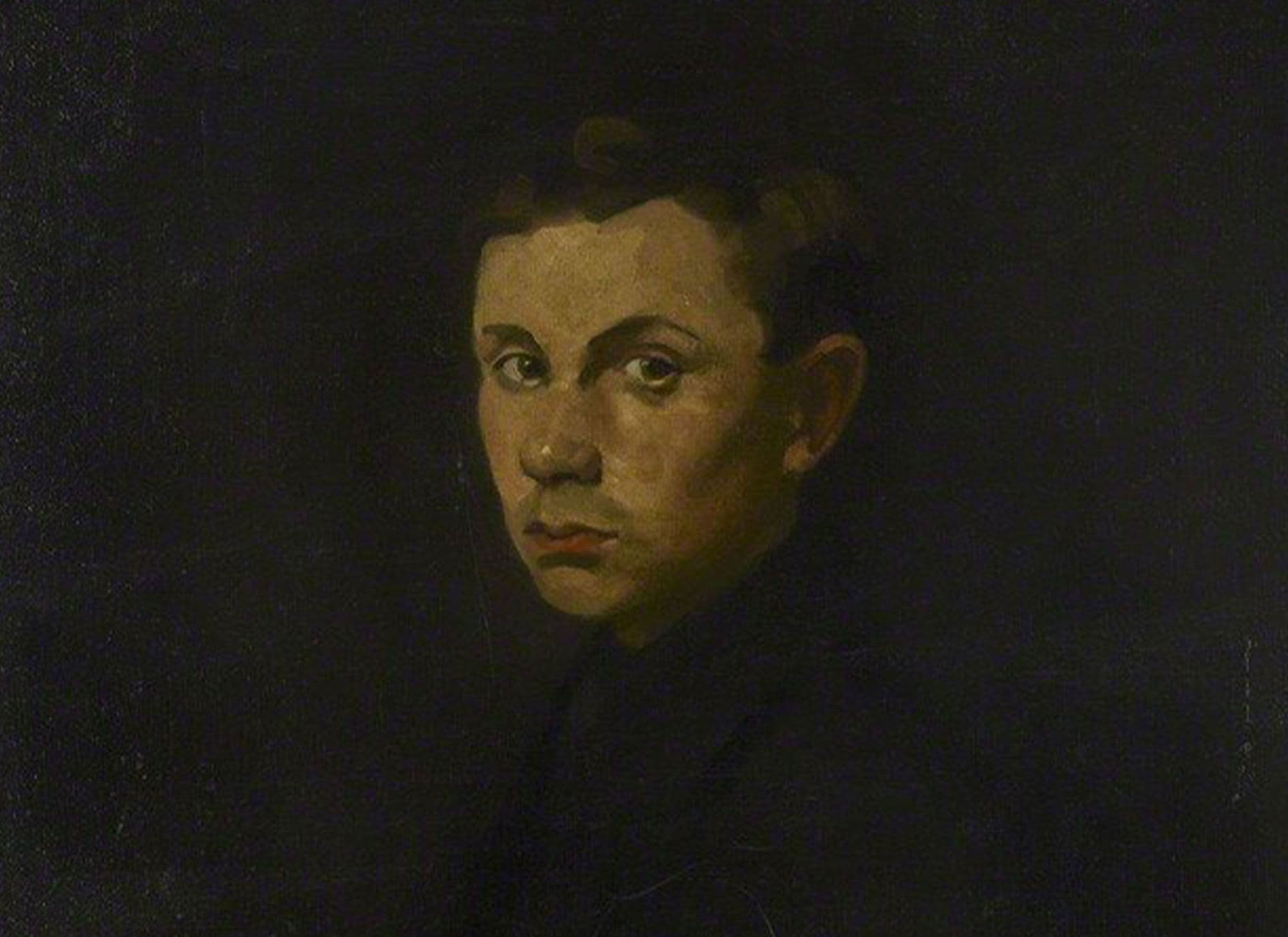
His still lifes are particularly celebrated for their handling of light, surface and texture, while his portraits and landscapes demonstrate the same careful control of composition found in his graphic work. Even in his later paintings, something of the discipline of the woodcut remained: carefully considered compositions, strong forms and a remarkable power of restraint.
Nicholson’s work across painting, printmaking and design makes him an important figure in the development of British art at the turn of the twentieth century and beyond.