Pierre Jeanneret was a pioneering modernist architect and designer whose work played a vital role in shaping twentieth-century design. Though frequently associated with his cousin Le Corbusier, Jeanneret was an accomplished architect and furniture designer in his own right, and his legacy has gained significant recognition in recent decades.
Born in Geneva in 1896, Jeanneret trained at the École des Beaux-Arts before joining Le Corbusier’s Paris studio in the 1920s. The pair collaborated on a number of landmark architectural projects during the interwar period, contributing to the development of a radical new architectural language rooted in functionality, structural clarity and modern materials.
Jeanneret’s most celebrated body of work emerged from his involvement in the planning and construction of Chandigarh, the new capital of Punjab, India, in the 1950s. Working alongside Le Corbusier, he played a central role in designing both civic buildings and the furniture intended for them. It was here that Jeanneret developed the robust, materially honest furniture for which he is now best known.
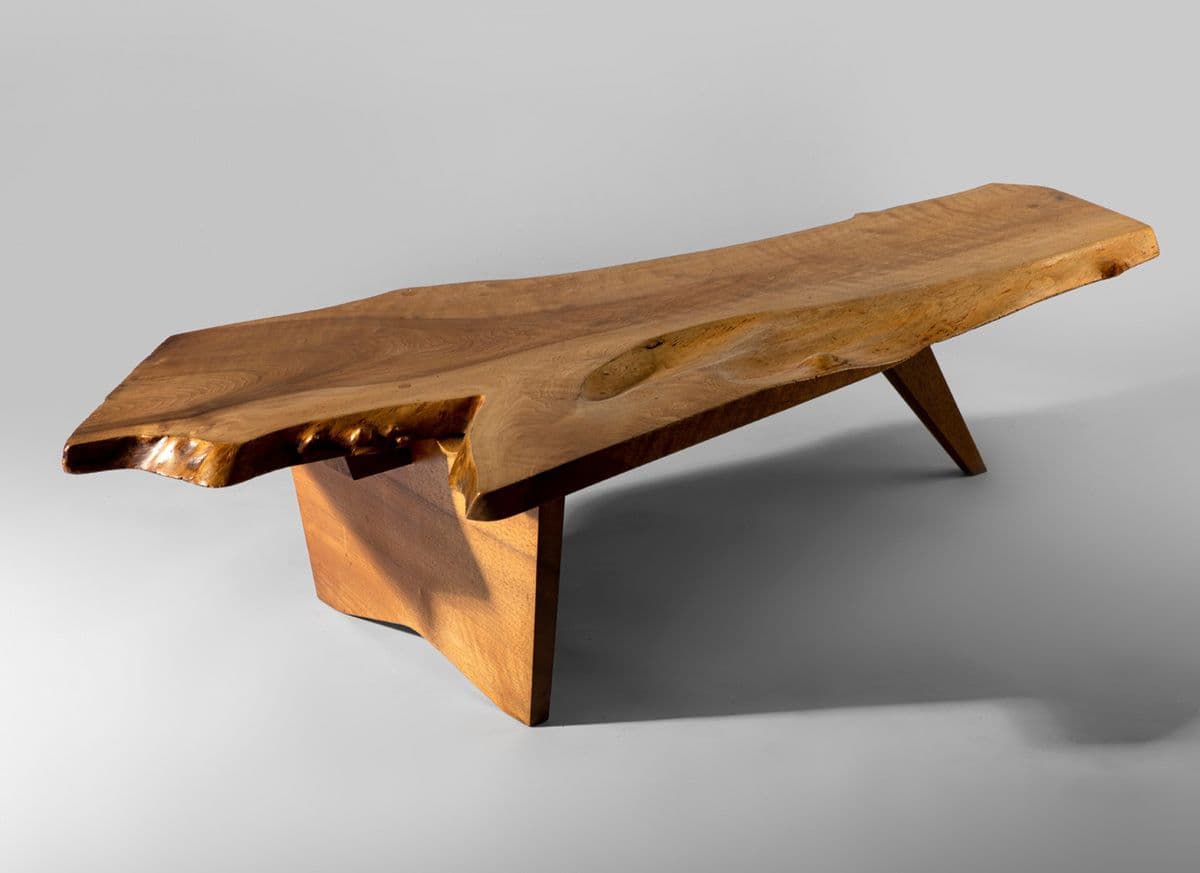
Designed for administrative offices, schools and public institutions, his Chandigarh furniture was conceived with practicality in mind. Crafted primarily from local teak, the pieces are characterised by strong geometric forms, exposed joinery and distinctive inverted “V” or compass-shaped legs. The designs balance architectural rigour with warmth and human scale, embodying modernist principles while responding sensitively to local context and craftsmanship.
Originally produced as utilitarian furnishings, many of these works were later dispersed and rediscovered, leading to a significant reassessment of Jeanneret’s contribution to modern design. Today, his Chandigarh pieces are highly sought after by collectors of twentieth-century furniture and are held in major international collections.
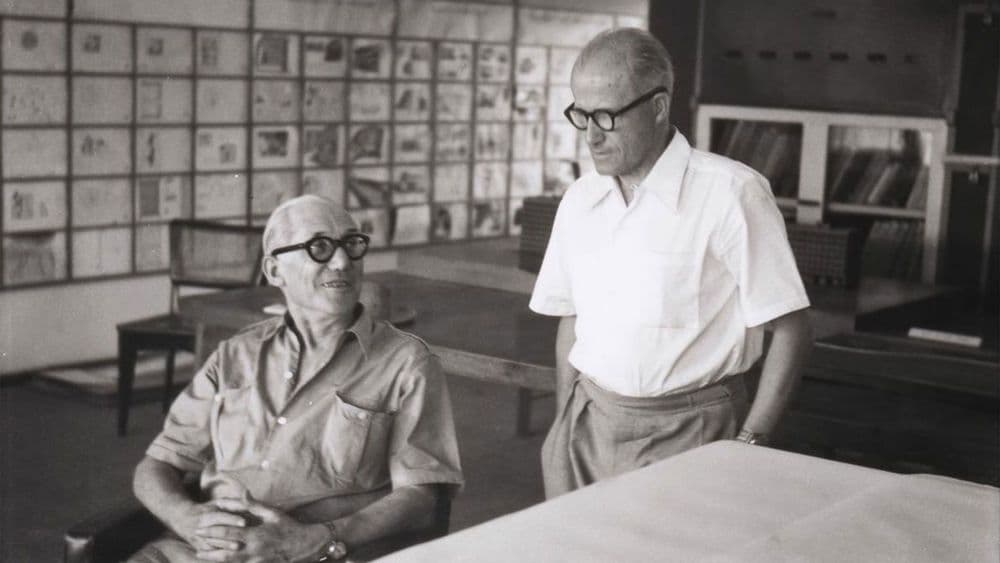
Illustrated: Le Corbusier & Pierre Jeanneret, Public domain, via Wikimedia Commons