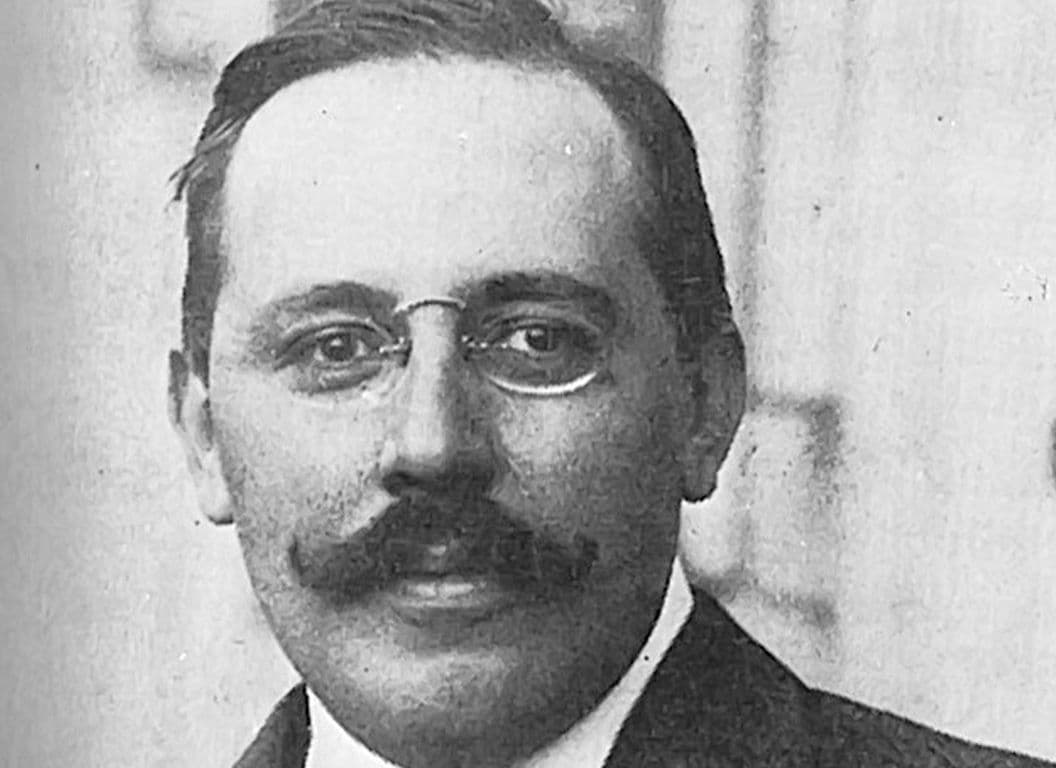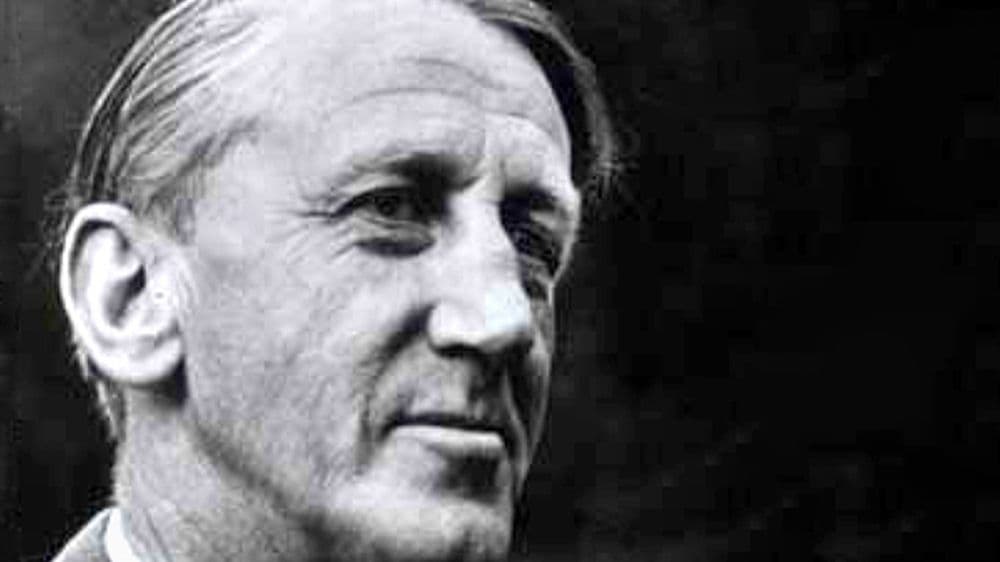
Kaare Klint is widely regarded as the father of modern Danish furniture design and a foundational figure in 20th-century Scandinavian modernism. Through his rigorous approach to proportion, function and craftsmanship, Klint established principles that would shape Danish design for generations.
Trained initially as an architect, Klint was the son of architect Peder Vilhelm Jensen-Klint and was deeply influenced by classical architecture and traditional craftsmanship. In the 1920s, he began analysing historic furniture forms, studying their dimensions and uses in order to refine them for modern living. This method, combining careful measurement, ergonomic consideration and respect for materials, became central to his work.
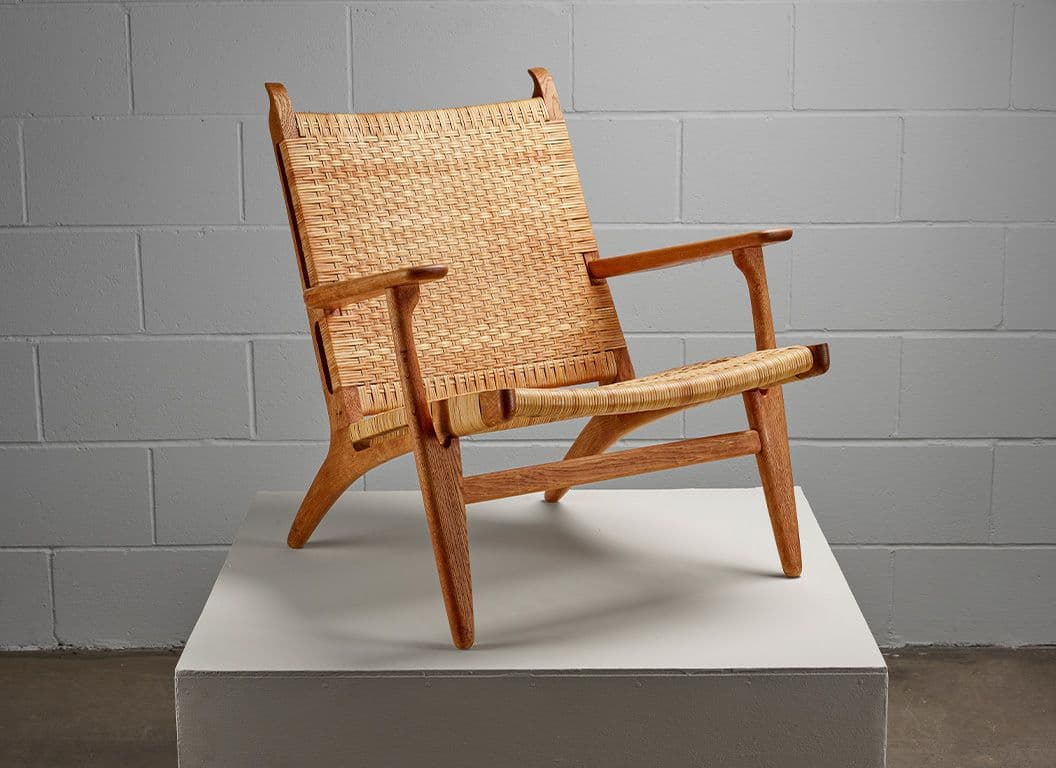
Klint’s designs are characterised by clarity of form, balanced proportions and an emphasis on functionality over decoration. His furniture often draws on historical precedents, such as English campaign furniture and classical chairs, reinterpreted with restraint and precision. Notable designs include the Faaborg Chair and the Safari Chair, both exemplifying his belief that good design should be practical, durable and visually harmonious.
Beyond his own practice, Klint’s influence was amplified through education. As head of the furniture school at the Royal Danish Academy of Fine Arts, he trained many of the leading figures of mid-century Danish design, including Børge Mogensen, Hans J. Wegner, and Ole Wanscher. Through his teaching, Klint helped establish Denmark’s international reputation for thoughtful, human-centred design.
Illustrated: Public domain, via Wikimedia Commons