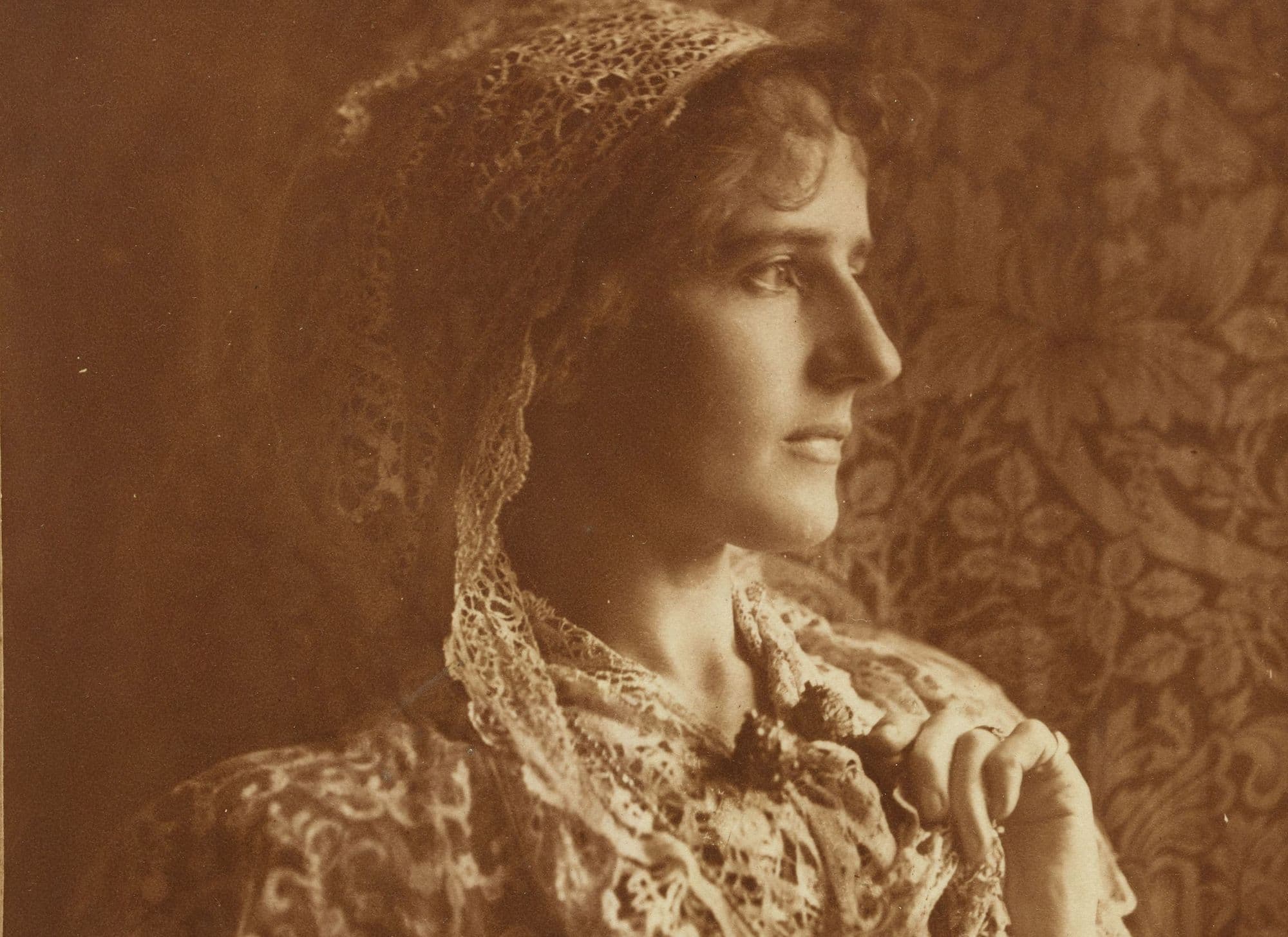
Edward Spencer co-founded the Artificers’ Guild in 1901 alongside the designer Nelson Dawson. Born in Blackheath in south-east London, Spencer trained under Henry Wilson, the architect, designer and goldsmith associated with the Arts and Crafts movement. Wilson’s emphasis on skilled craftsmanship and the integration of design and making had a lasting influence on Spencer’s practice.
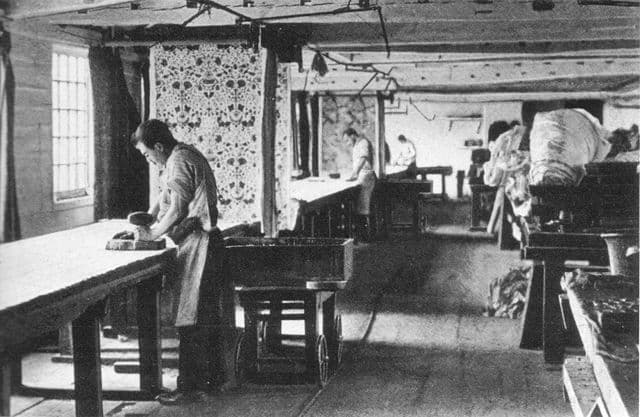
The Artificers’ Guild was established with the aim of reviving the collaborative ideals of the medieval guild system, where designers and craftsmen worked closely together to produce high-quality handmade objects. In 1903 the Guild was sold to Montagu Fordham, although Spencer remained closely involved with its development. He briefly resigned in 1906 but soon returned, later serving as a director of the organisation until his death. The Guild operated from premises in Conduit Street, London, with an additional showroom in Cambridge, helping to promote Arts and Crafts metalwork and jewellery to a wider audience.
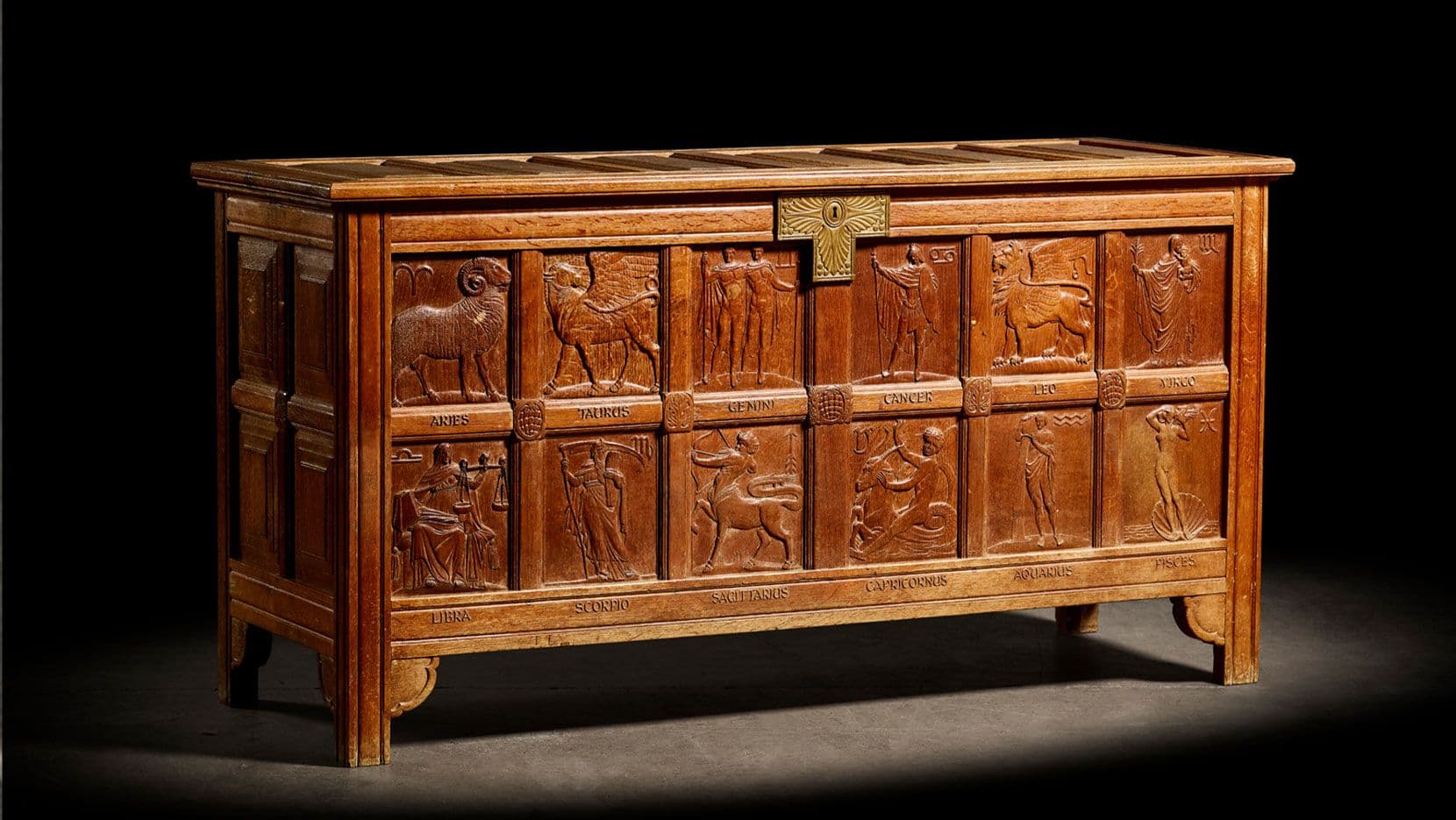
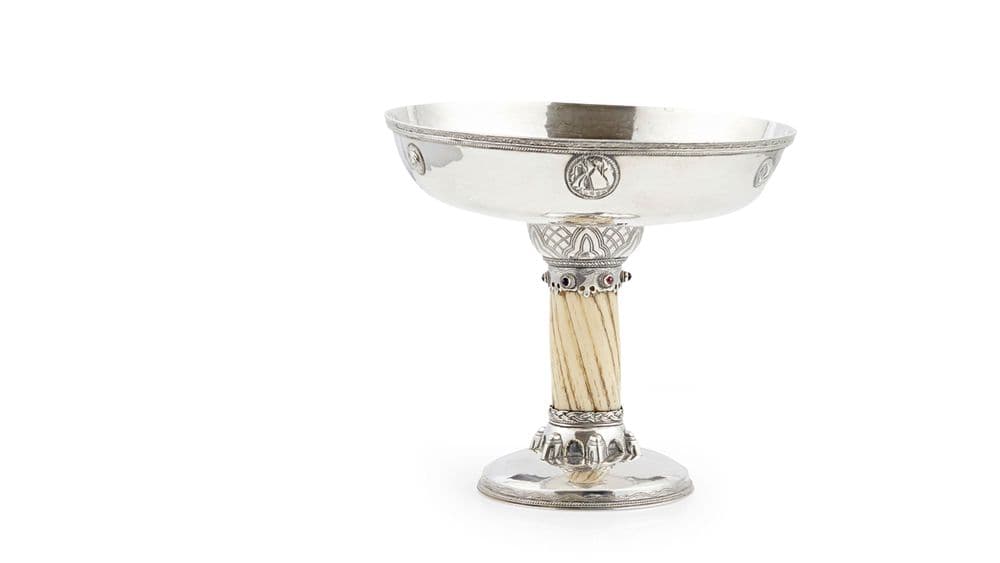
Spencer’s work was strongly influenced by the ideals of William Morris and the broader Arts and Crafts movement, placing a strong emphasis on craftsmanship, honest materials and thoughtful design. He was widely admired for his fine draughtsmanship, which informed both the structure and decorative elements of his pieces. His metalwork frequently incorporated a rich range of materials used as embellishments, including ivory, shagreen, enamel, abalone shell and semi-precious stones, creating objects that combined careful craftsmanship with subtle decorative complexity.