Senior fine art specialist Simon Hucker reflects on the extraordinary energy of the Noughties art world, tracing how the momentum of the 1990s evolved into a decade of global expansion, new technologies and a rapidly changing market for contemporary art.
The Noughties contemporary art scene really began in the mid- to late-Nineties – with the YBAs stumbling out of the Groucho Club and into the tabloids, Tracey Emin’s unmade bed sending shivers down spines across the shires, and Charles Saatchi’s Sensation at the Royal Academy in 1997 scandalising little Britain with its provocative imagery addressing themes of mortality, sexuality and the darker edges of modern life.
We are delighted to present Y2K! Selected Works from an Important Private Collection of Contemporary Art, to be offered in our Spring 2026 MODERN MADE auction. Acquired at the height of that expansion, the collection reflects the decade in which the art world redrew its own map. Suddenly there were galleries everywhere, all at once. Y2K! Selected Works from an Important Private Collection of Contemporary Art isn’t just about looking back, it’s about seeing what that moment actually produced.
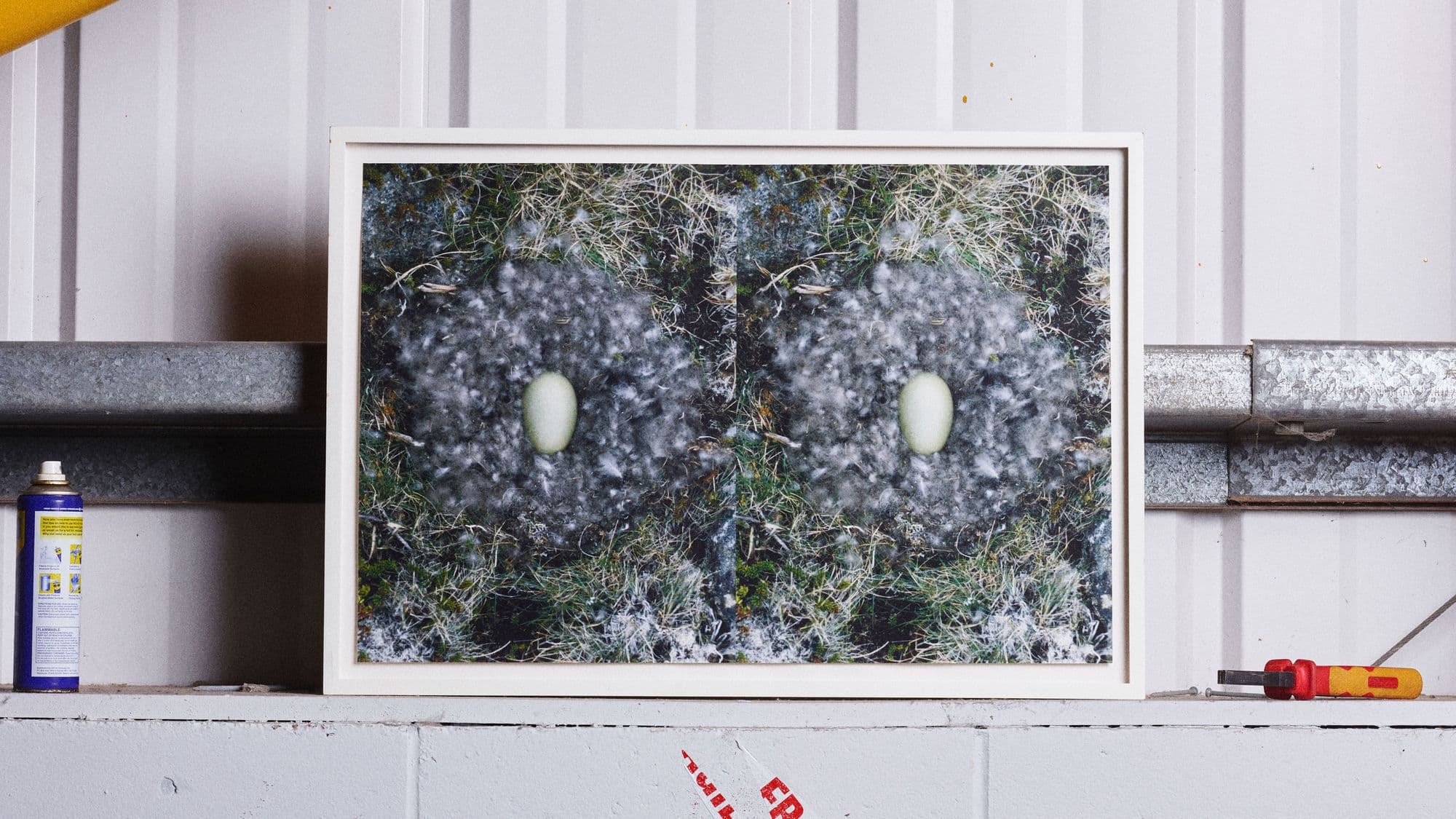
Illustrated: RONI HORN (AMERICAN 1955-) | UNTITLED (TO NEST), 2001 | £2,000 - £3,000 + fees