State vs Impression: What's the Difference?
The state describes a particular version of the image following changes to the plate or block. An impression is an individual print taken from it. This distinction matters because two impressions taken from the same state are not necessarily equal in quality.
As a plate or block is repeatedly printed from, it can begin to wear. Lines may become less crisp, areas of tone weaker and fine details less distinct. A strong impression can therefore look considerably different from a later impression taken from exactly the same state. For a specialist, establishing the state is only part of the puzzle. The quality of the impression matters too.
What Can a Dürer Woodcut Reveal?
Woodcuts introduce another element to the detective work because the block itself can physically change over time. Wood is a relatively fragile material. As a block is repeatedly used, small sections can chip or break away. These changes then appear in subsequent impressions and can help specialists understand when they were printed.
Borders might develop breaks, for example, or individual details can disappear. One particularly memorable example can be found in a Dürer woodcut depicting Hercules. At some point, a small section of the block was lost and Hercules lost his nose. Later impressions therefore contain a small gap where his nose once appeared. It is a tiny detail, but exactly the sort of clue a print specialist looks for.
Can a Later Print Look Like an Earlier State?
This is where the detective work becomes particularly interesting. Historically, later impressions were sometimes altered to make them appear closer to earlier states. A broken border might be filled in with pen and ink, for example, while worn or missing details could be carefully retouched.
At first glance, an impression might therefore appear to belong to an earlier state than it actually does. Close examination can reveal a different story. The printing quality, wear to the plate or block, paper and signs of later intervention all need to be considered together. What appears to be a first state at first glance may turn out to be a much later impression.
Do Print States Affect Value?
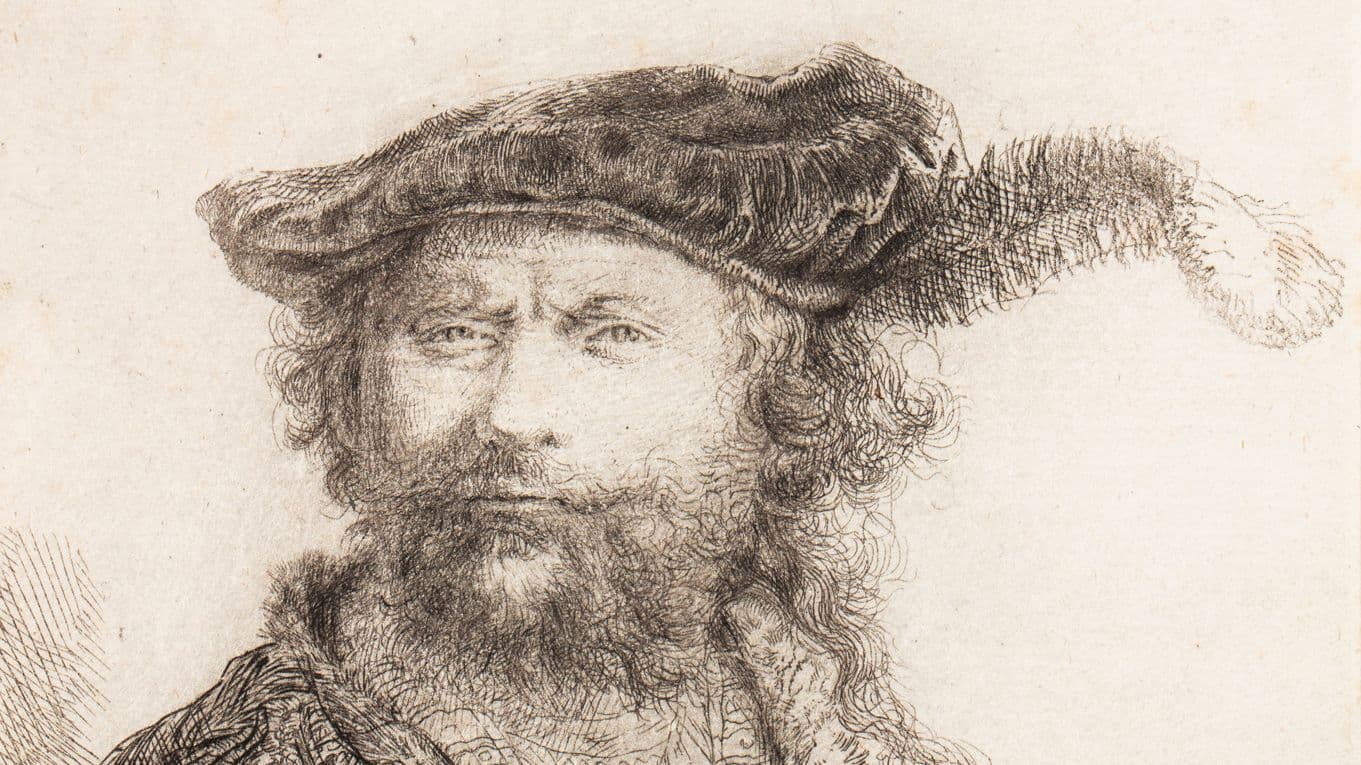
They can. A Rembrandt etching, for example, can vary significantly in value depending on its state. But state alone does not determine what an Old Master print is worth. Specialists will also consider:
- quality of the impression
- condition of the paper
- margins
- restoration and retouching
- rarity
- provenance
- whether the impression was printed during the artist's lifetime
- strength and clarity of the printing
This is why two impressions of apparently the same print can have very different values.
For a specialist at Lyon & Turnbull, establishing a state often comes down to the smallest details. A break in the border of a woodcut, an additional line in an etching or an area that appears to have been retouched can all provide clues. These are then compared with established catalogue references and considered alongside the quality and condition of the impression itself.
It is this combination of research and close physical examination that can turn an unidentified or uncertain print into something much better understood.