What are the most popular Art Deco posters at auction?
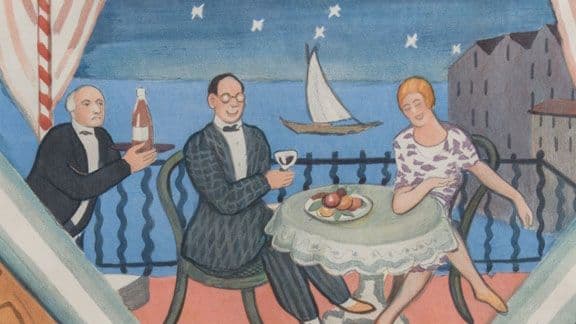
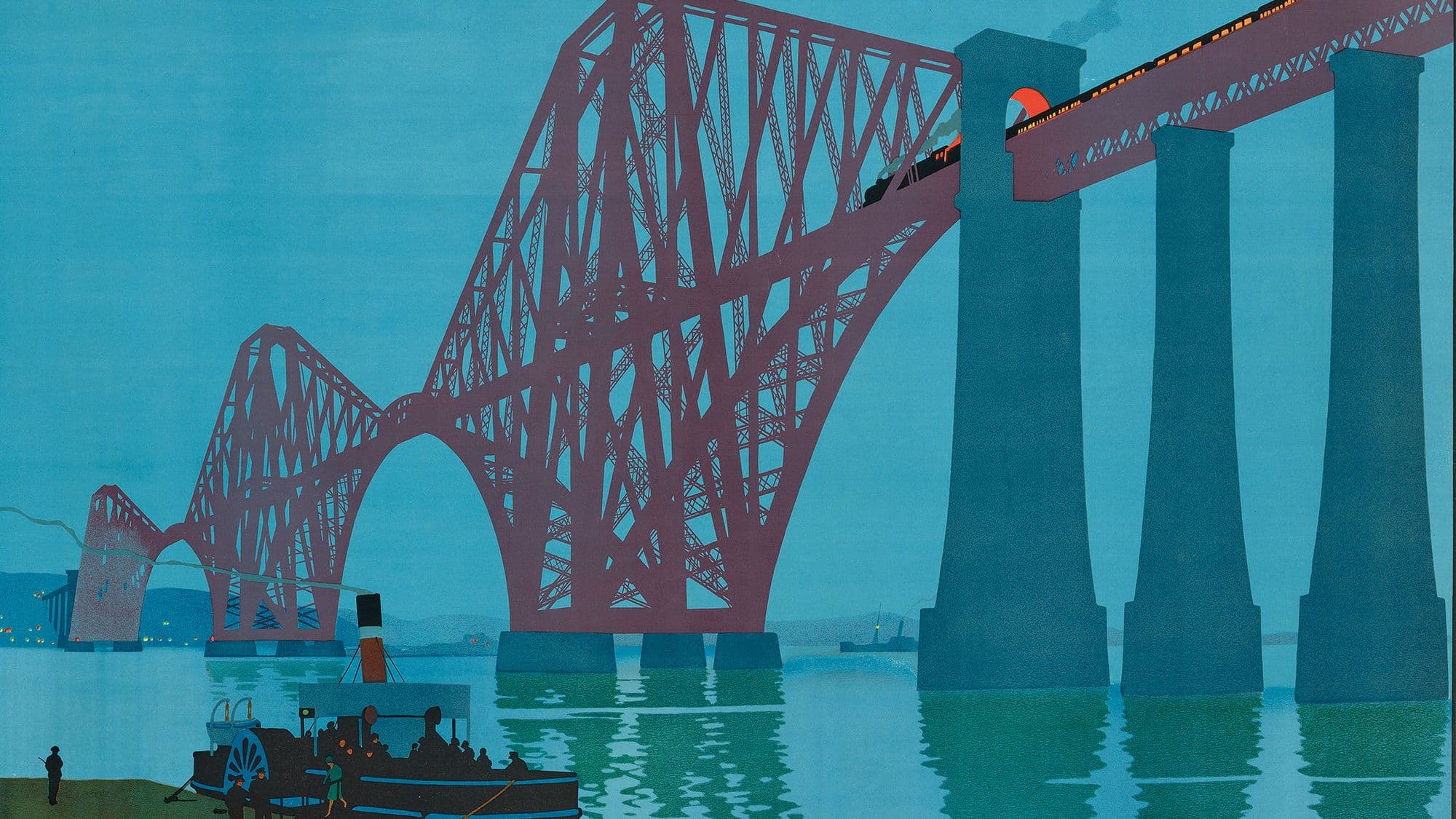
The Art Deco period coincided with a huge growth in travel for pleasure and many of the most popular Art Deco posters at auction advertise travel to exotic destinations by ocean liner and passenger train. Artists designed posters to persuade and sell these exciting journeys, on routes that were often considered exotic and mysterious, to the newly prosperous middle classes.
The most acclaimed French poster designer during the period was Adolphe Mouron (1901-1968), better known as Cassandre, who worked extensively for the French National Railway and many shipping lines. His posters are today considered masterpieces of Art Deco poster design. His architectural style, characterised by bold colours, simple design and clean lines captured the viewer's attention and enabled them to comprehend the message instantly. Etoile du Nord (1927), Nord Express (1927) and Normandie (1935) are three of his most dynamic designs that perform well at auction as they capture the magnificence, speed and comfort of the new trains and ocean liners.
No less significant in French travel poster design was Roger Broders (1883-1953) whose posters captured a sense of place by showing the actual destination of the train, rather than the mode of transport. His most sought after posters feature stylised fashionable women and incorporated purely geometric motifs in bold colours. His series of travel posters covered all the glamorous Riviera resorts still covetable today including Nice, Antibes, Sainte-Maxime, Monte Carlo & Calvi Beach, Corsica. His designs are favoured by both collectors and interior designers looking to visually capture the warm nostalgic feeling of a holiday in their homes.
Why Were Tourism and Transport Posters So Important in the Early 20th Century?
Tourism posters were also important in Switzerland, a country that gave great prominence to poster design and encouraged careers in graphic art. As a result, they now presents a great opportunity for collectors to find an array of stunning lithographic posters at auction representing many of the most popular destinations in Switzerland, including the mountain resorts of Davos, Klosters, St.Mortitz and Zermatt both in summer and winter.
In the UK the best of graphic advertising design between the two World Wars was to be found in posters for London Underground, the regional rail networks, Shell Oil and the fashion retailer Austin Reed. London Underground’s reputation as a major advertising patron was due to the appointment of the forward thinking Frank Pick as director of publicity. Pick believed that Underground had to promote its services in an artistic manner and employed the finest British, European and American advertising designers of the day to promote the Underground as the most comfortable and convenient form of transport in the capital. The work of artists such as Edward McKnight Kaufer (1890-1954). Austin Cooper (1890-1964) Frank Newbould (1887-1950) and the French Artist Jean Dupas ( 1882-1964) during the Art Deco period is considered to have defined the image of London and created a veritable picture gallery throughout the capital
Why do Art Deco posters remain collectable?
During the 1920’s dynamic design became the most effective means of persuading customers to buy new products. The reason they remain collectable today is that they fit perfectly into many interiors and make a great conversation piece. They were originally printed in standard sizes to fit the billboards into which they were displayed. This is another reason for their versatility today as their uniform size enables collectors to switch posters in their collection from room to room and in and out of standard sized frames, effectively enabling a revolving art collection.
For more information, why not visit the Art Deco: The Golden Age of Poster Design at the Global Poster Gallery within the London Transport Museum?