What Do Collectors Look for in Rare Travel Books and Maps?
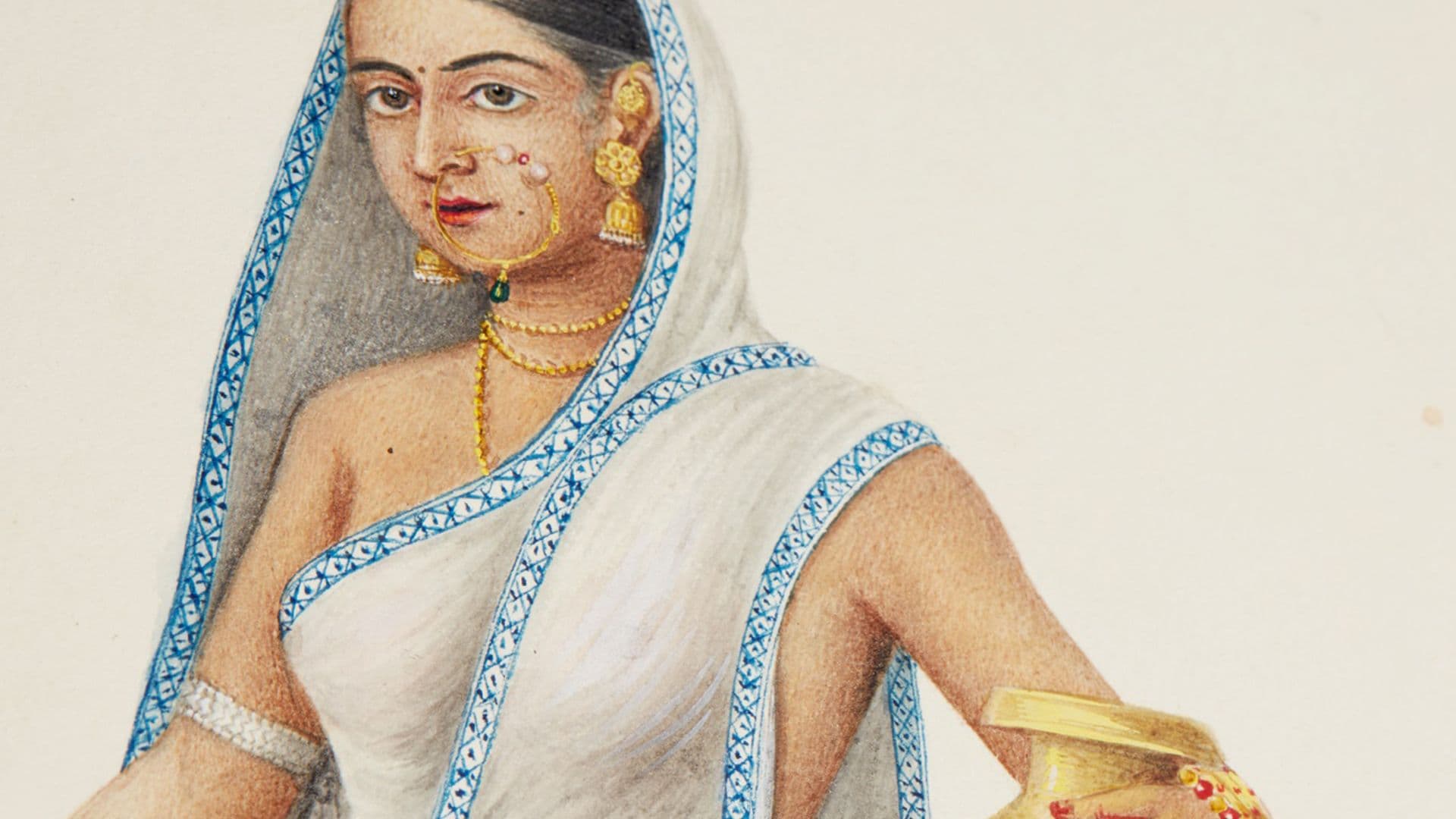
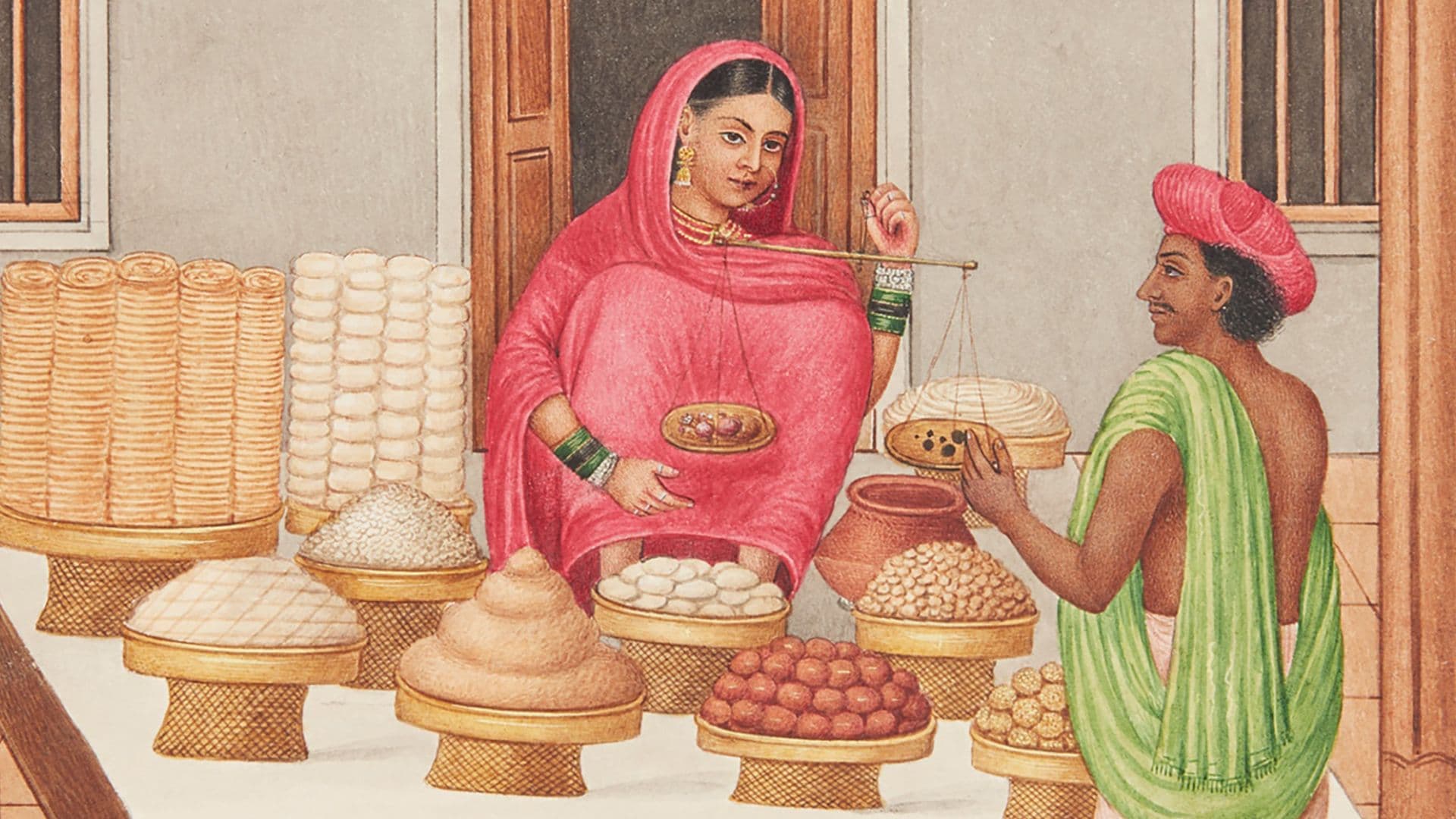
For collectors, the subject can therefore stretch from cartography and navigation to exploration, natural history and the illustrated record of individual countries and cultures. What matters will vary considerably from one object to another. With a map, the date, cartographer and geographical significance may be central; with a travel album, the artist, completeness and provenance may carry greater weight; while an illustrated book may be judged on its plates, binding, edition and condition.
These differences are part of what makes travel such a broad area within rare books and manuscripts. A single collection might take in an early map of the Mediterranean, an album made in colonial India and a lavishly illustrated account of journeys through Africa and the Middle East, each recording a very different way in which the world was mapped, travelled and documented.
What Should You Do If You Own an Old Travel Book, Map or Album?
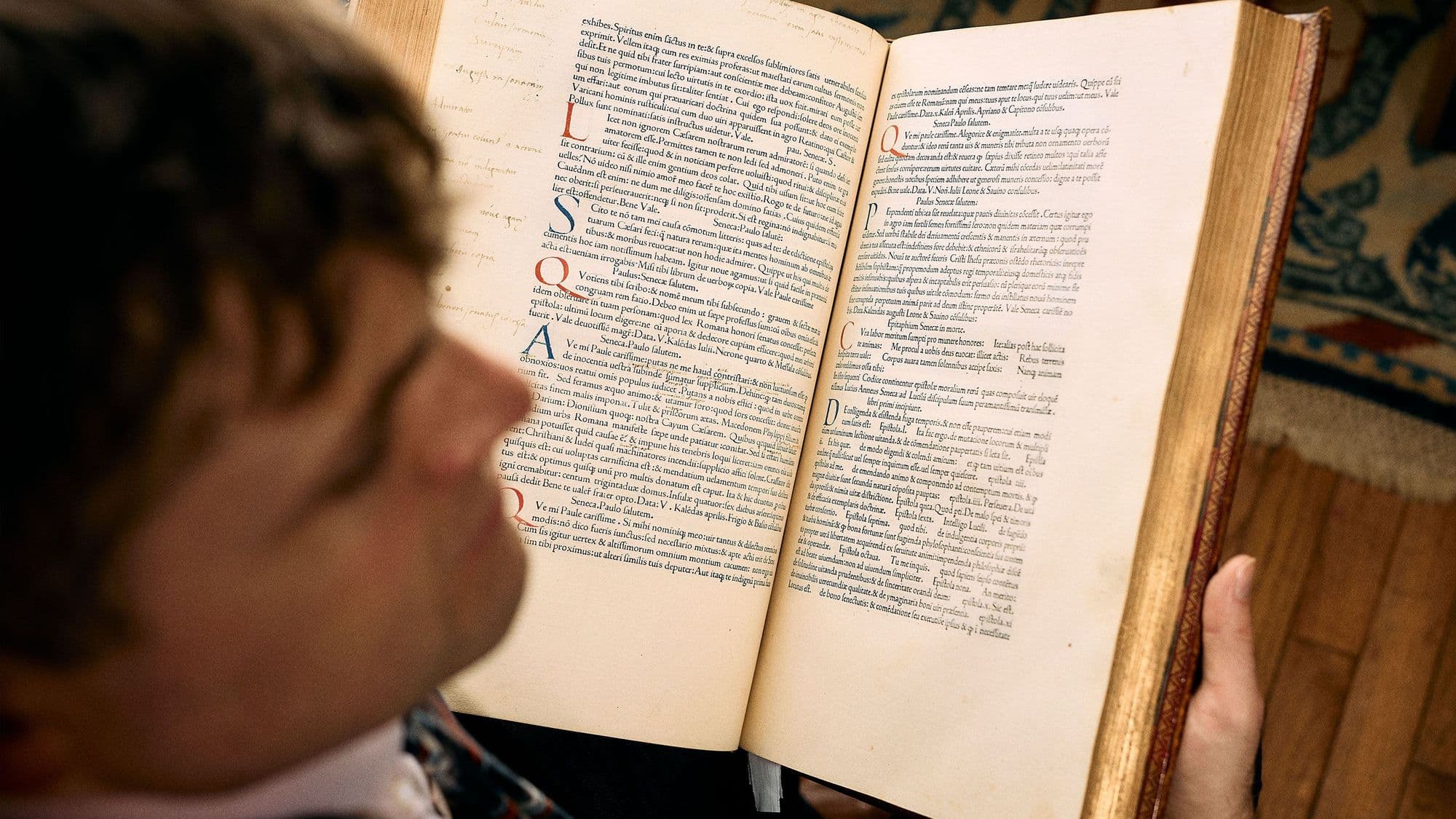
Old maps, travel books and albums are not always easy to assess at home. An incomplete volume may still contain important plates, while annotations, bookplates, inscriptions or other signs of ownership can sometimes help establish an object's history.
Before having an item valued, avoid cleaning, repairing or removing pages, bindings or old labels. If a book contains maps or plates, check whether they appear to be present, but take care with fragile bindings and folded material. It is also worth keeping anything associated with the object. Old receipts, letters, family records and information about previous owners can all help a specialist establish provenance.
When assessing travel material for auction, our Books & Manuscripts specialists consider the edition, condition and completeness alongside the author, artist or cartographer, subject matter, provenance and comparable examples sold at auction.
All prices are inclusive of buyers' premium.