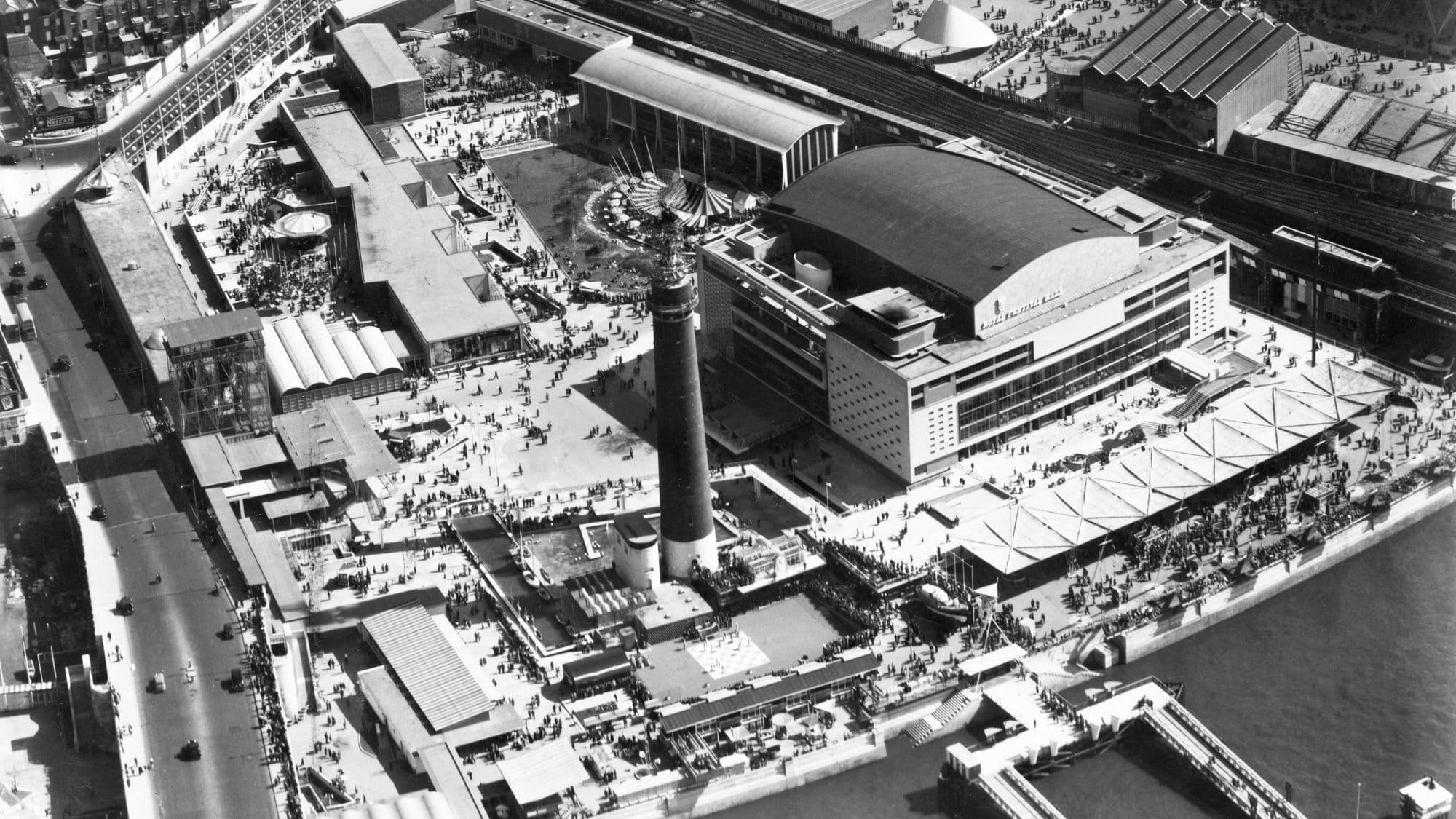
Although most Festival structures were temporary, the Royal Festival Hall was a permanent exception. It was the first major public building constructed after the war and the largest of its kind in the country, with a capacity of up to 2,700. Built from reinforced concrete, it was designed to be accessible and democratic, with open spaces and no class segregation. It remains an active cultural venue today.
A defining visual feature of the Festival was the Skylon, designed by Philip Powell and John Moya. This striking vertical structure appeared to float in space, suspended by a system of cables. Its illuminated aluminium form made it one of the most memorable and widely admired elements of the Southbank site.
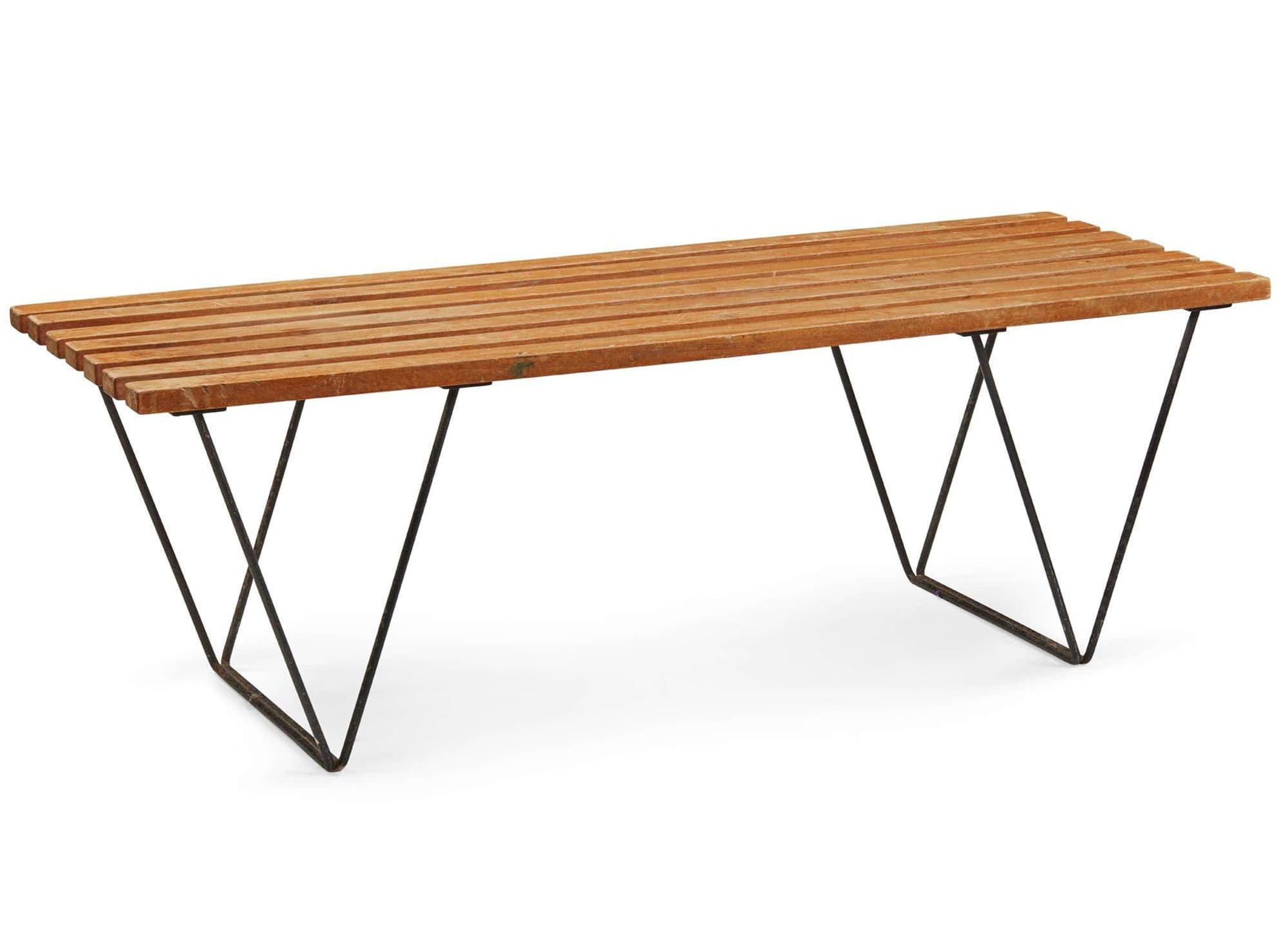
In contrast, the largest temporary structure took the form of a flat, circular building housing exhibitions on science and the environment. Constructed from layered concrete platforms beneath an aluminium framework, it was covered with a lightweight skin and surrounded by a sheltered exterior space furnished with seating designed by Ernest Race and Robin Day.
Further along the Thames, Battersea Park hosted the Festival Pleasure Gardens, which included a funfair, miniature railway, Fountain Lake and a Guinness clock. While primarily intended for entertainment, this area also accommodated commercial activity. Today, the lake and landscaped grounds remain.
The Festival of Britain introduced a new, more accessible form of modernism. Distinct from earlier movements, it embraced new materials such as aluminium and steel, made use of bright colour after years of austerity, and explored geometric and abstract forms. It also openly integrated science, engineering and technology.
Elsewhere, the Lansbury Estate in Poplar demonstrated new approaches to urban planning, transforming a bomb-damaged area into a functioning community of housing and shops. This project helped shape thinking around post-war development in Britain.
The Festival represented a moment of national reset. Despite financial constraints and material shortages, with government funding of £7 million, it became a creative exercise in adaptability and innovation.
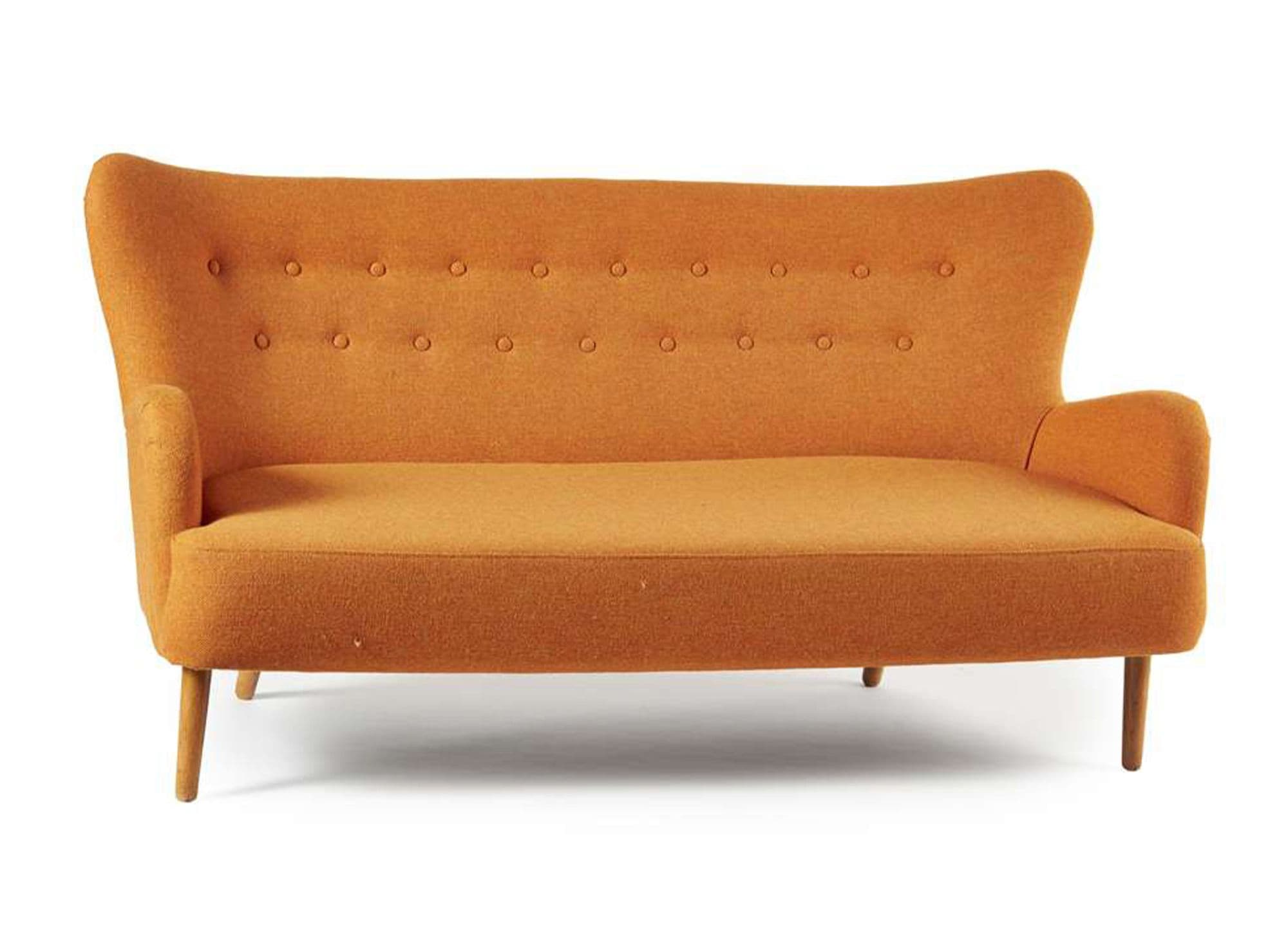
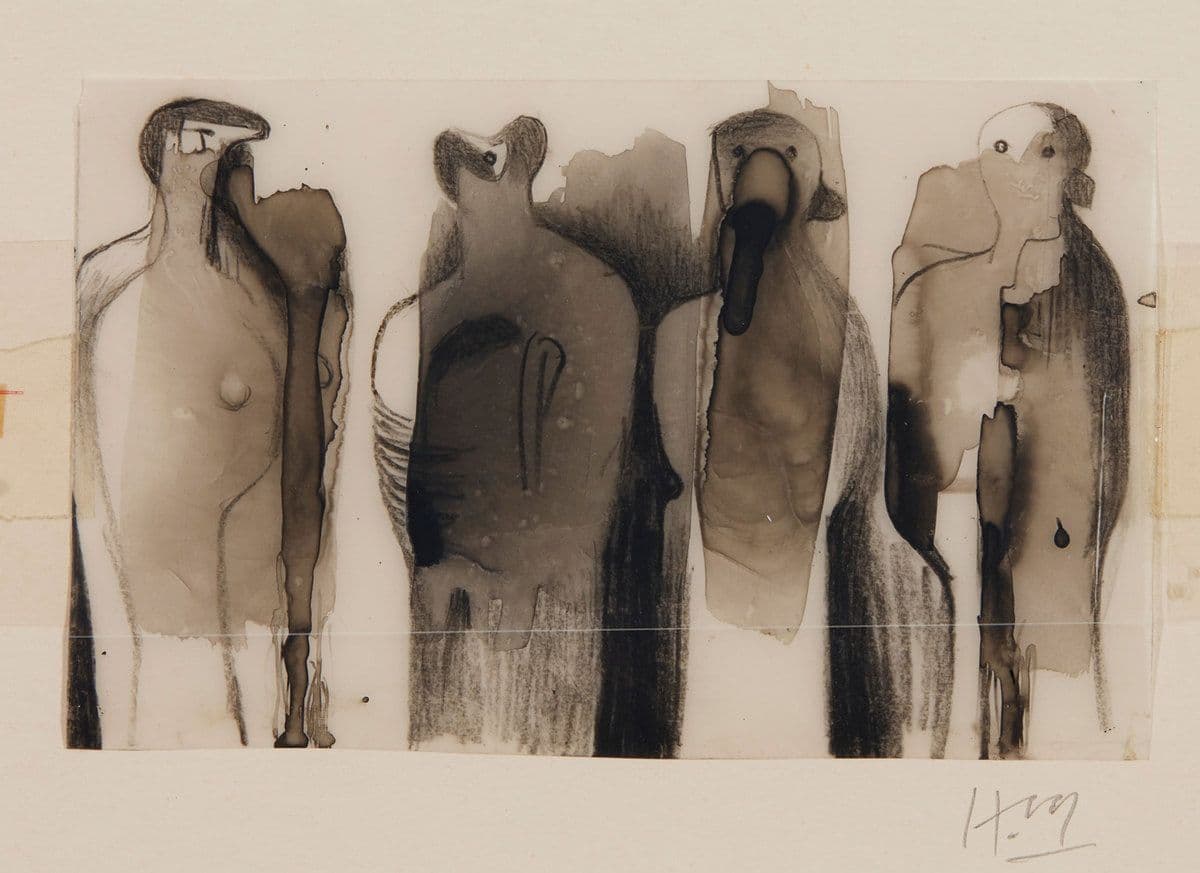
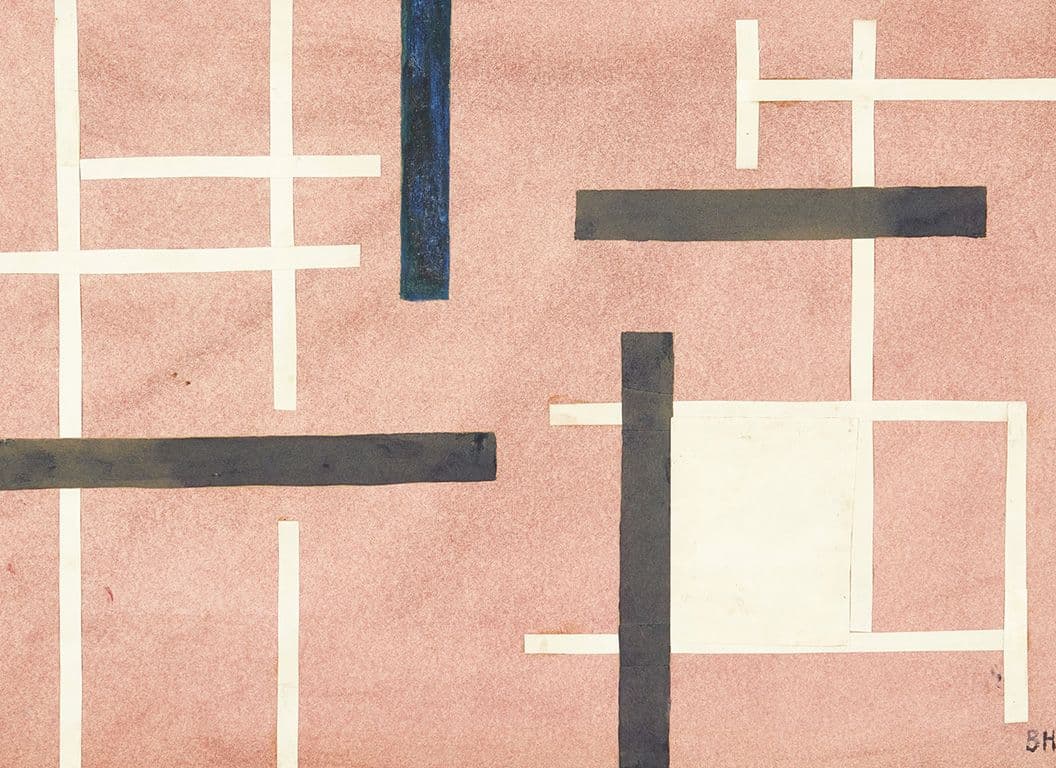
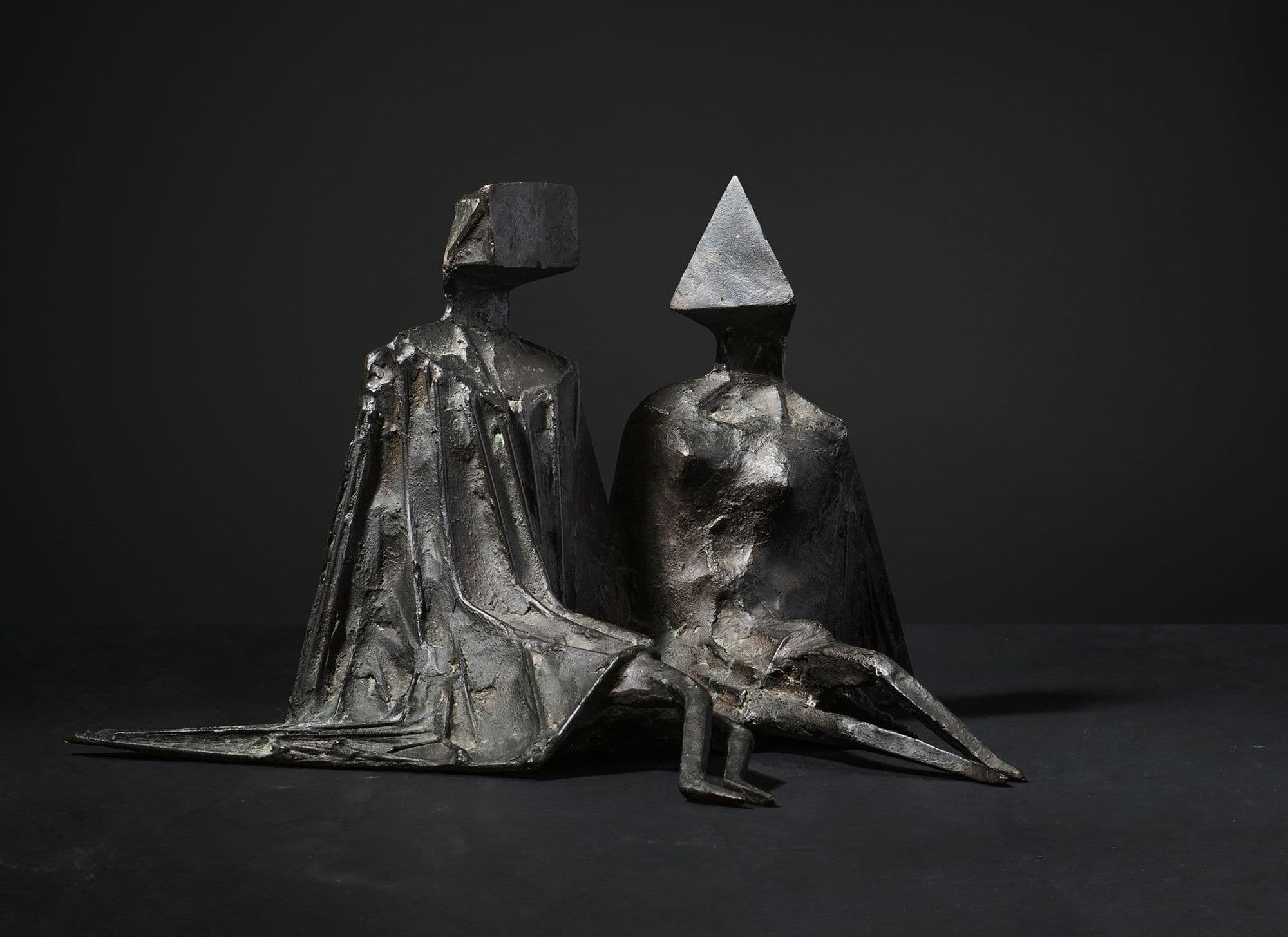
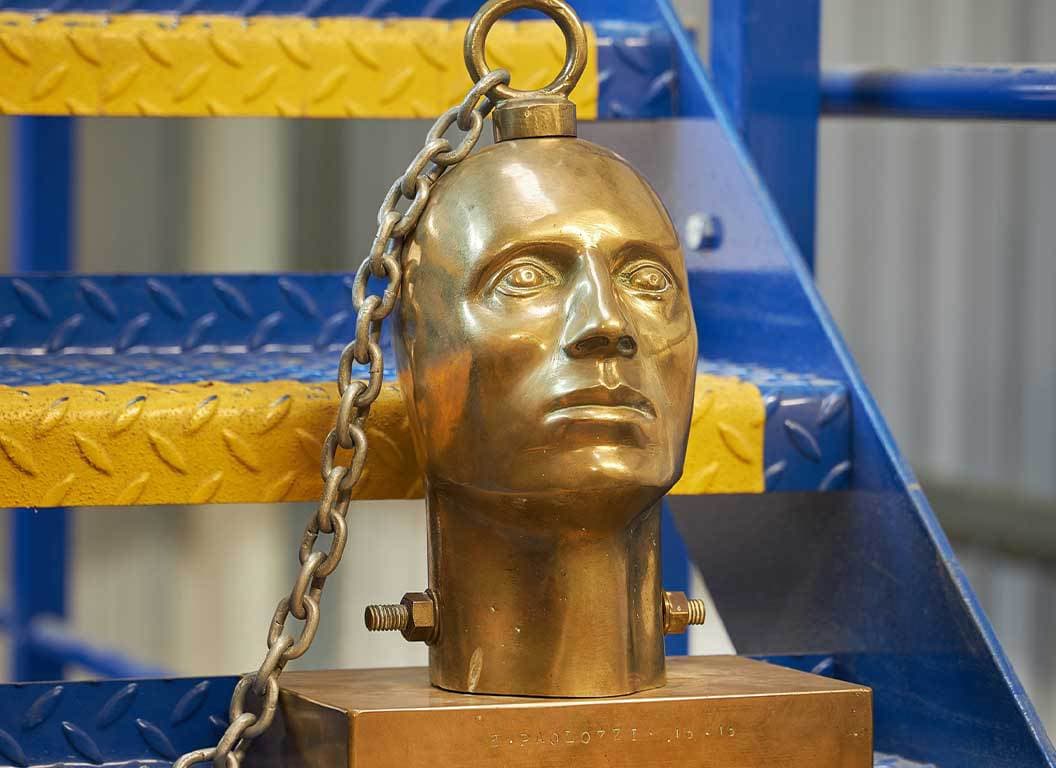
Under the direction of Gerald Barry, a team was assembled with a focus on engaging younger generations. Many of those involved went on to define British art and design in the decades that followed. Figures such as Robin Day, Ernest Race and AJ Milne in furniture, and Lucienne Day in textiles, emerged as leading designers. Abram Games created the Festival’s distinctive identity, while artists including Henry Moore, Barbara Hepworth, Lynn Chadwick and Eduardo Paolozzi contributed to its visual impact. All benefited from state support and went on to shape post-war cultural life.
The Festival of Britain marked a turning point, setting the direction for a more confident and outward-looking Britain. Its influence can be seen in the creative expansion of the 1960s, as British art and design gained international recognition.
It also introduced a quieter but lasting change: the arrival of luxury toilet paper in public facilities, a standard the nation has maintained ever since.
Illustrated above: 1 - John Ritchie Addison / Festival of Britain 2 - Festival of Britain Festival of Britain The Water Garden by Peter Jeffery, CC BY-SA 2.0, via Wikimedia Commons 3 - Ben Brooksbank / Festival of Britain Exhibition, 1951 4 - LondonHistoryatHome, CC BY-SA 4.0, via Wikimedia Commons