Service to Prussia and Restoration
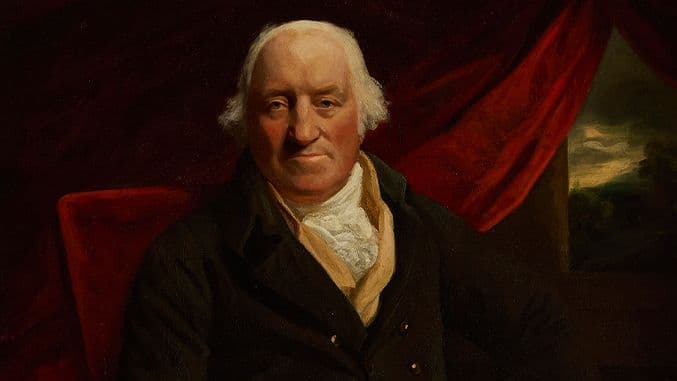
However, Keith’s time in the court was not to last long after this retiring in 1741. Unable to follow Prince Charles Edward Stuart’s leadership and not trusting his plans, he was perhaps seen as the old guard who had failed to secure the Stuart right and was being ostracised by Charles in favour of new thinking and action.
His military career would not end here, as he immediately took a commission in the Prussian Army. Frederick the Great made him the Ambassador to France in 1751 and in 1759 to Spain. During the Seven Years War, when Prussia was aligned with Great Britain, Keith, in a rare show of support for the Hanoverians, alerted them to the Spanish plans to join the fight on the side of France and therefore against the British. This act led to King George II, in 1759, pardoning him for his support of the Stuarts in the ’15, returning his title and estate. However, Keith would only rarely return, selling and remaining in Prussia as a close friend of King Frederick until his death in 1778.
The clan had various seats, notably Dunnottar Castle from 1392, until it was sold under forfeiture in 1717. The castle would famously protect the Honors of Scotland from the invading Cromwellian armies in the mid-17th century.
The Elphinstone Family: Early History and William Elphinstone
The provenance of the following lots is also tied with another important and ancient Scottish family, Elphinstone. Among their earliest rank was William Elphinstone (1431 – 1514) who was an important Scottish statesman and in 1483 became Bishop of Aberdeen. He was an enlightened man who sponsored printing in Scotland and had a large library. He was instrumental in the improvement of Aberdeen, building bridges, roads and of course churches. King's College, named for King James IV, was built to house Aberdeen University, which was founded by Bishop Elphinstone under a Papal Bull issued by Pope Alexander VI on 10 February 1495.
Family Seats
A family with deep rooted connections to Aberdeen, they would ultimately settle at Elphinstone Tower, south of Tranent, from the 15th century and, in the 16th century, Carberry Tower, south east of Musselburgh.
Marriage and Union
The coming together of the Elphinstone and Keith families took place with the marriage of Lady Clementina Fleming (daughter of John Fleming, 6th Earl of Wigton and Lady Mary Keith) to Charles Elphinstone, 10th Lord Elphinstone in 1735. The union would cement the family wealth, status and coin the Keith Elphinstone naming tradition.
Later Generations
The family would continue to serve Britain and the crown with many notable title holders and various generations serving in the armed forces, for example Major-General William George Keith Elphinstone who served through the 19th century, most remarkably at Waterloo (see lot 432) and Kabul in the first Afghan War and Admiral George Keith Elphinstone, 1st Viscount Keith, GCB, FRS who served with distinction in the navy, being elevated to Admiral of the Red for his long and illustrious service.
The Collection
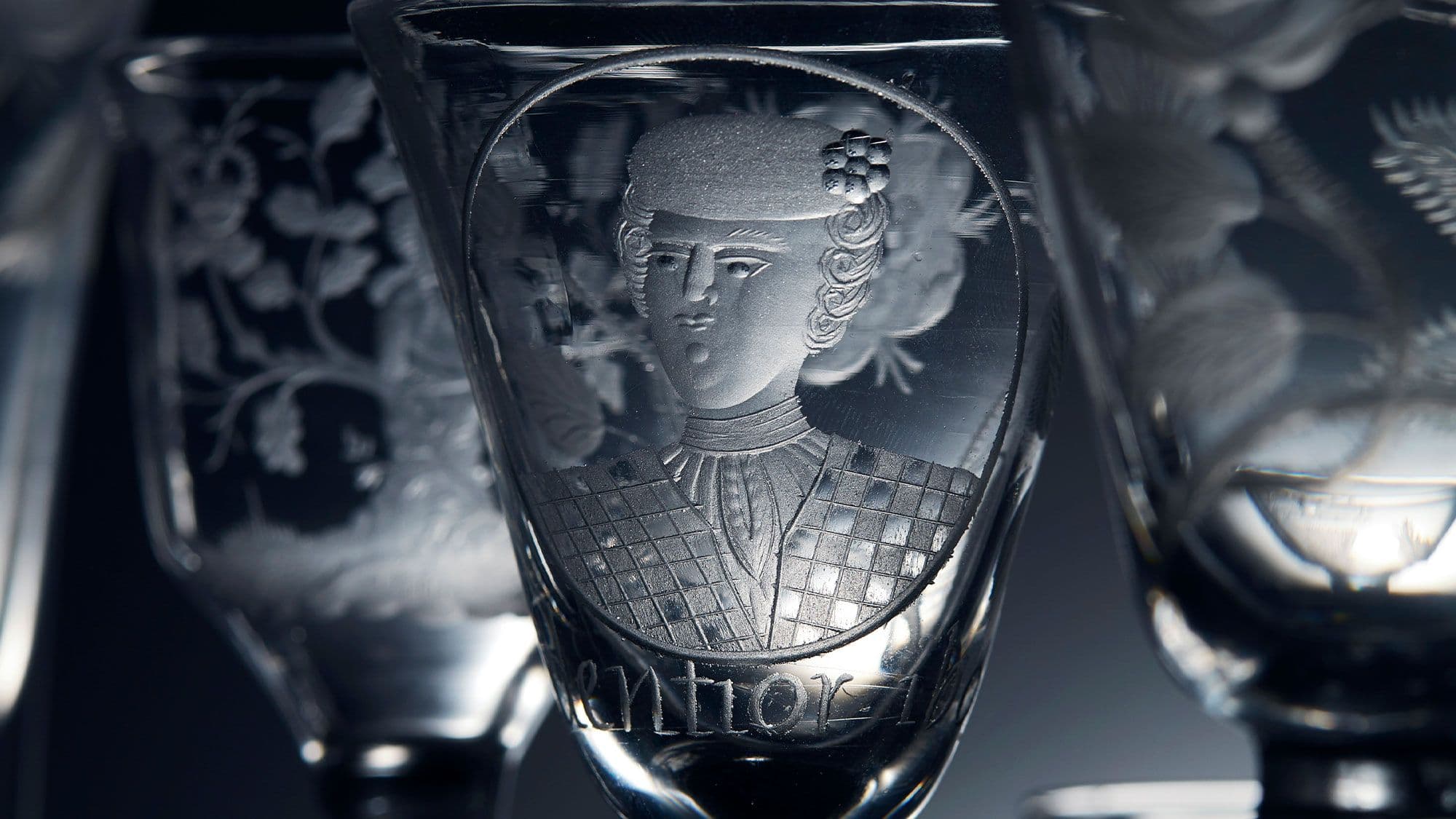
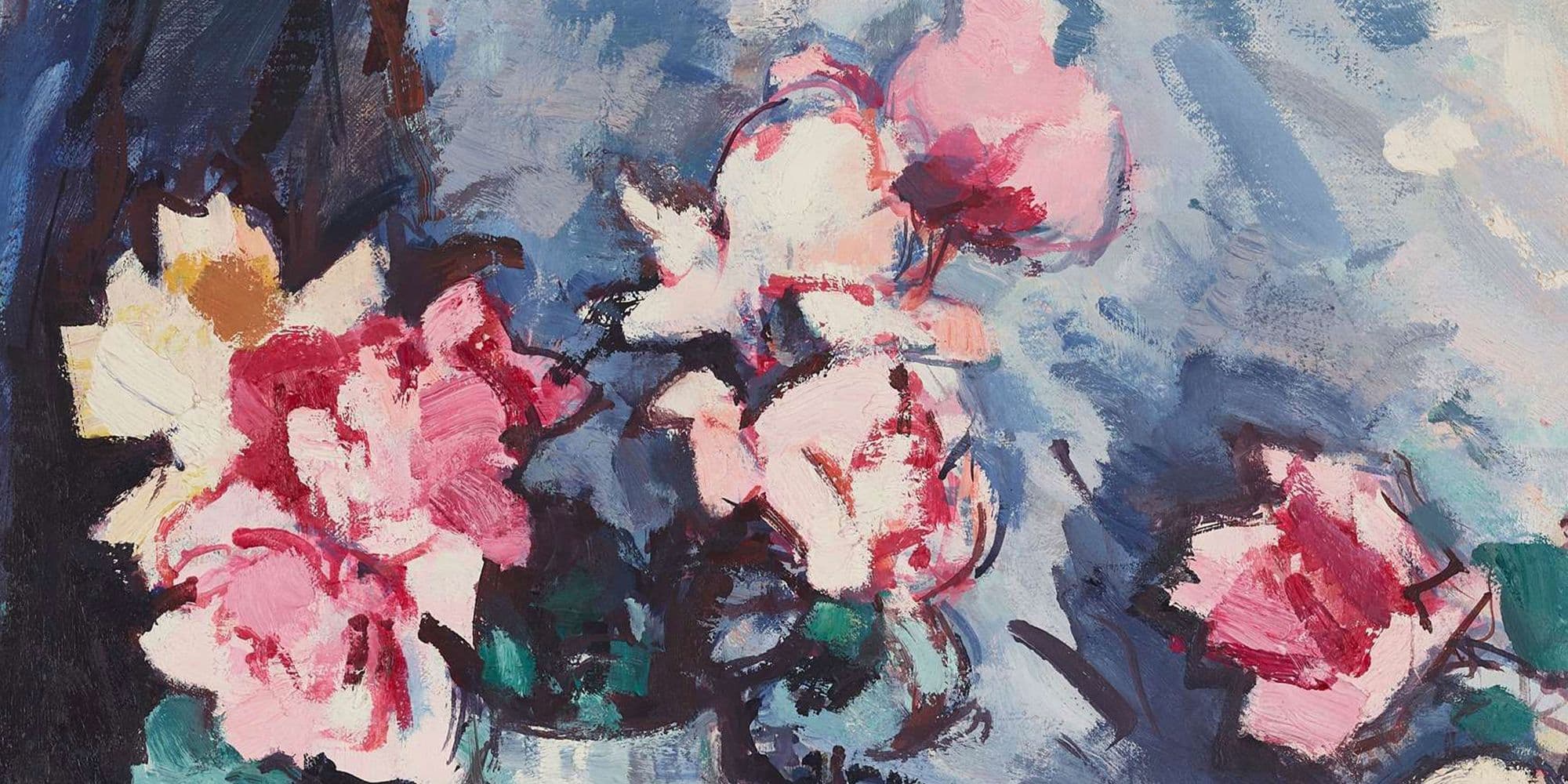
This group of works has come through the family by direct descent and is being offered to the market for the first time.