Building a Modern Community at Dartington Hall
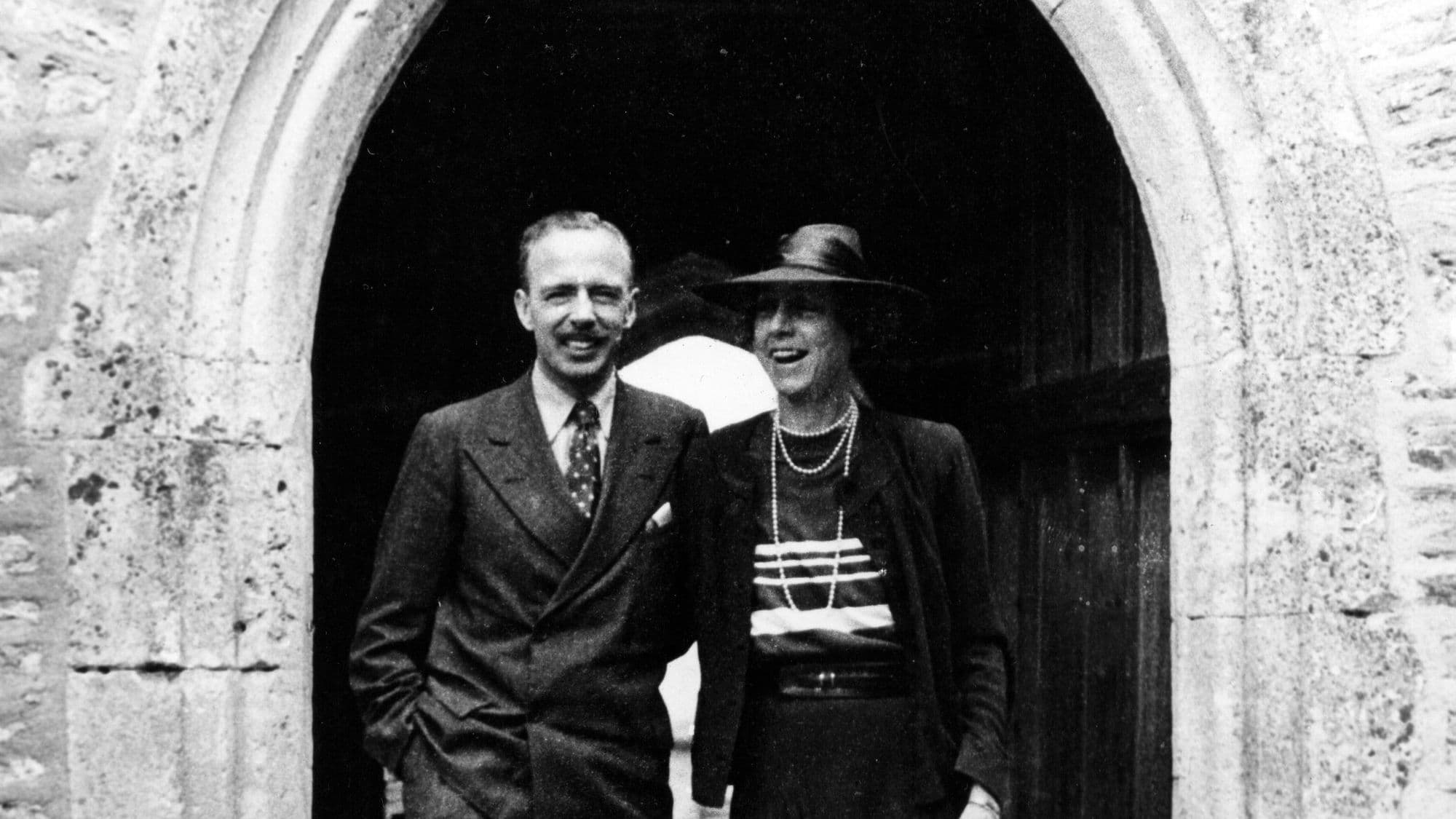
When the Elmhirsts purchased Dartington Hall in 1925, they began a project whose ambitions reached well beyond the restoration of a neglected medieval house. Leonard’s work with Rabindranath Tagore in India had helped shape his belief in the relationship between education, agriculture and cultural life. Dorothy brought an independent commitment to social reform and an informed interest in contemporary art. Together, they supported artists, architects and makers whose ideas could find practical expression within the community they were establishing.
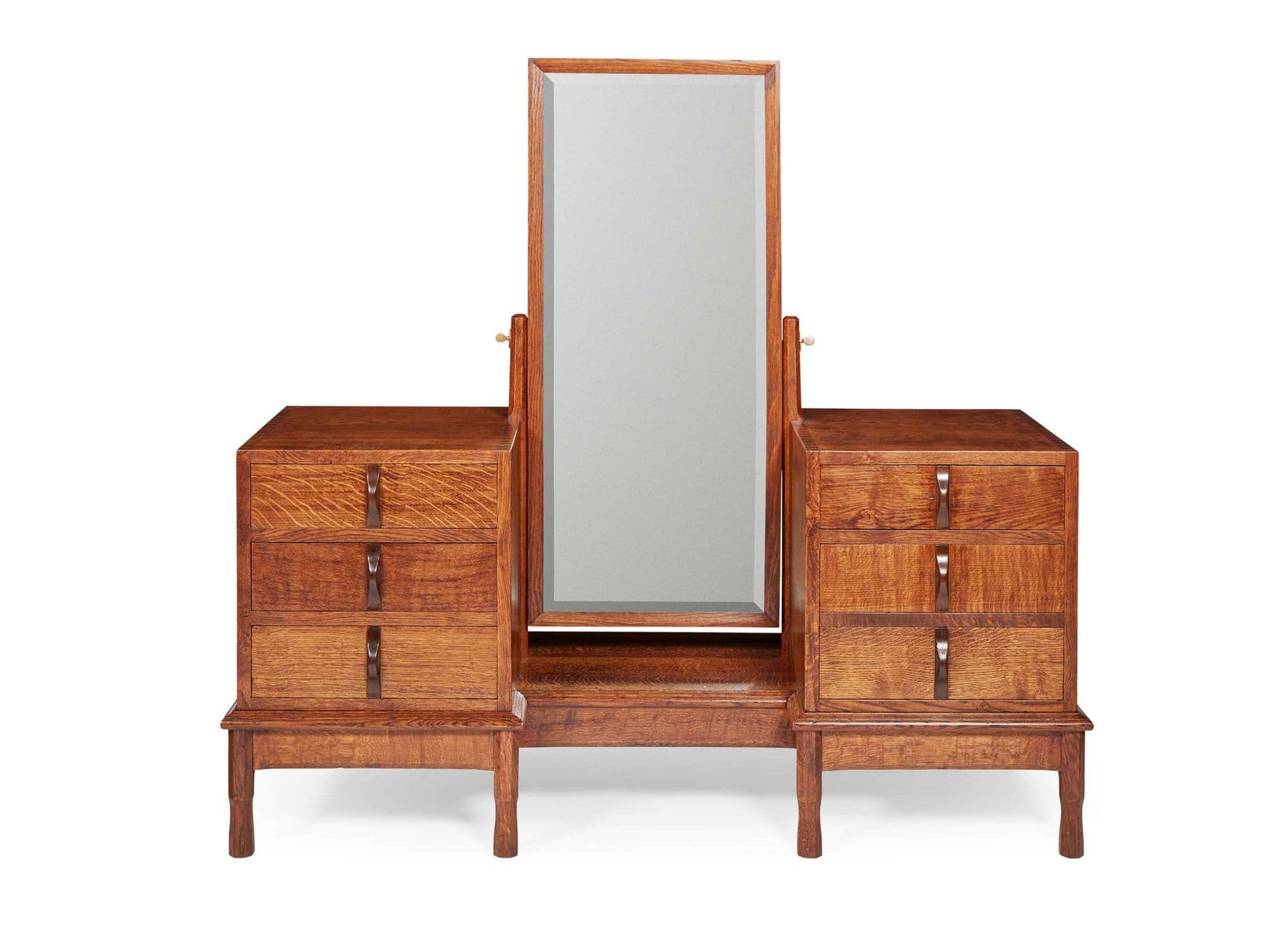
Their architectural commissions reveal the scope of that patronage. William Lescaze’s High Cross House introduced an assured modern presence to the Dartington estate, while Serge Chermayeff’s remodelling of their London residence at 42 Upper Brook Street in 1933–34 brought a similarly thoughtful approach to their domestic surroundings. Furniture mattered within these interiors, both for its usefulness and for the way it shaped the experience of a room.
Gerald Summers and the Chekhov Theatre Studio
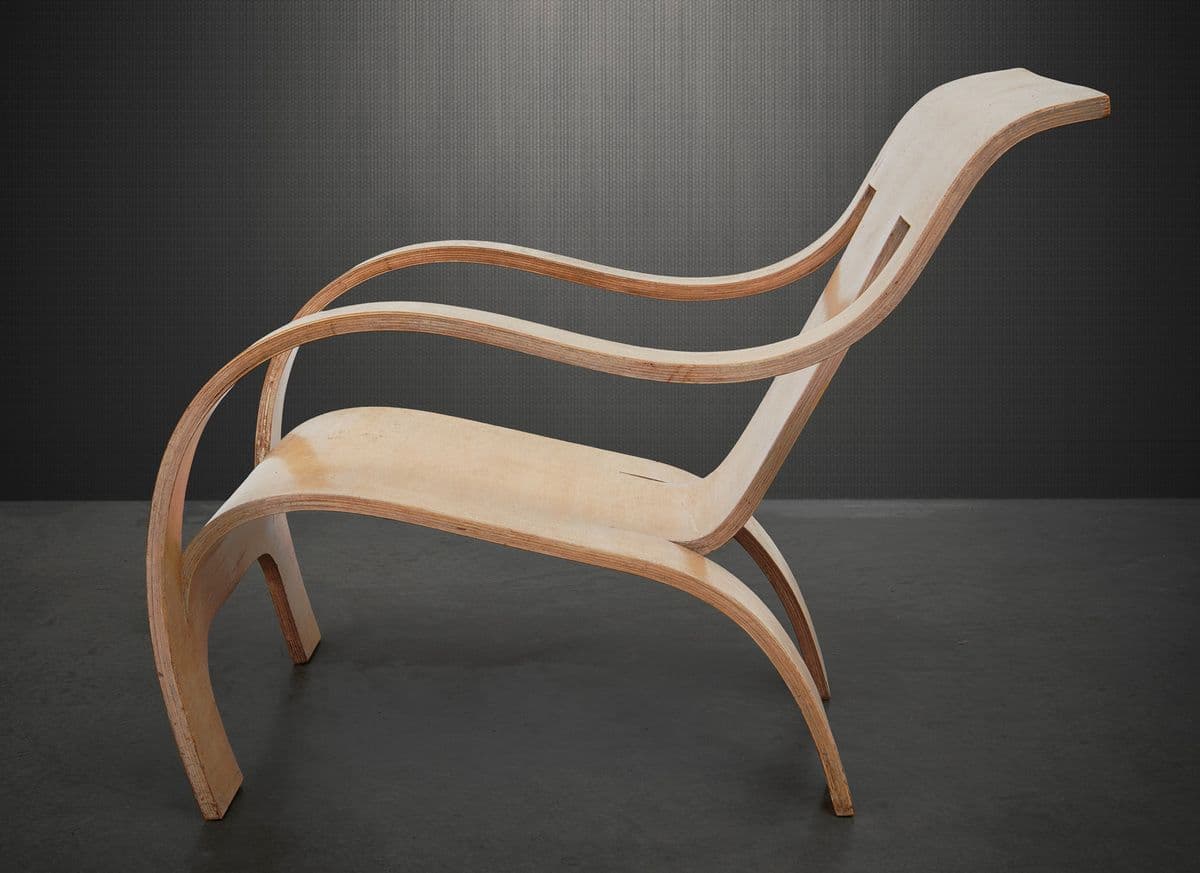
Gerald Summers’s work was well suited to such patrons. In 1931, he and Marjorie Butcher established Makers of Simple Furniture, producing designs that explored the possibilities of plywood with considerable originality. Summers understood how much could be achieved through the careful cutting and bending of the material. His furniture had a directness that depended on close attention to construction, proportion and use.
Commissioned by the Elmhirsts, the ‘CB’ chairs and ‘ADN’ table were used in the Chekhov Theatre Studio at Dartington, where they are recorded in a contemporary photograph. Martha Deese also discusses Dorothy’s acquisition of the table and six chairs in late 1934 or 1935 in her study, Gerald Summers & Marjorie Butcher: Makers of Simple Furniture 1931–1940. Their presence in the studio places them within one of the most creatively active settings on the estate.
The ‘CB’, or curved-back, chair is a particularly accomplished exercise in making a small amount of material do a great deal. Flat plywood side supports are combined with a moulded backrest, set low enough for the chair to slide beneath a table or desk. From the front, the thin edges of the supports give the chair an almost insubstantial appearance; seen from the side, their profile supplies its distinctive shape. These are practical decisions with a strong visual consequence. Around the ‘ADN’ table, the six chairs formed an ensemble appropriate to the adaptable working space of the theatre studio.
Illustrated below: Michael Checkov with Dorothy Elmhirst in the Studio, Dartington Hall. | Gerald Summers furniture in the relaxing area of the Chekhov Theatre Studio, Dartington Hall, circa 1935. Photographs courtesy ofThe Dartington Hall Trust