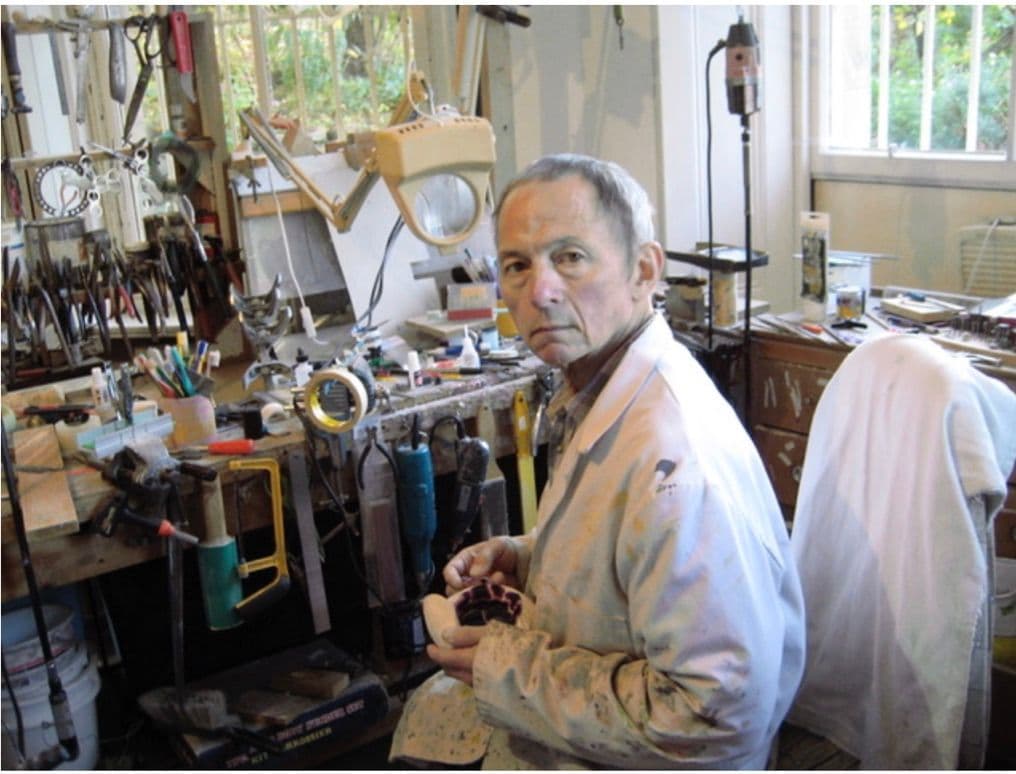
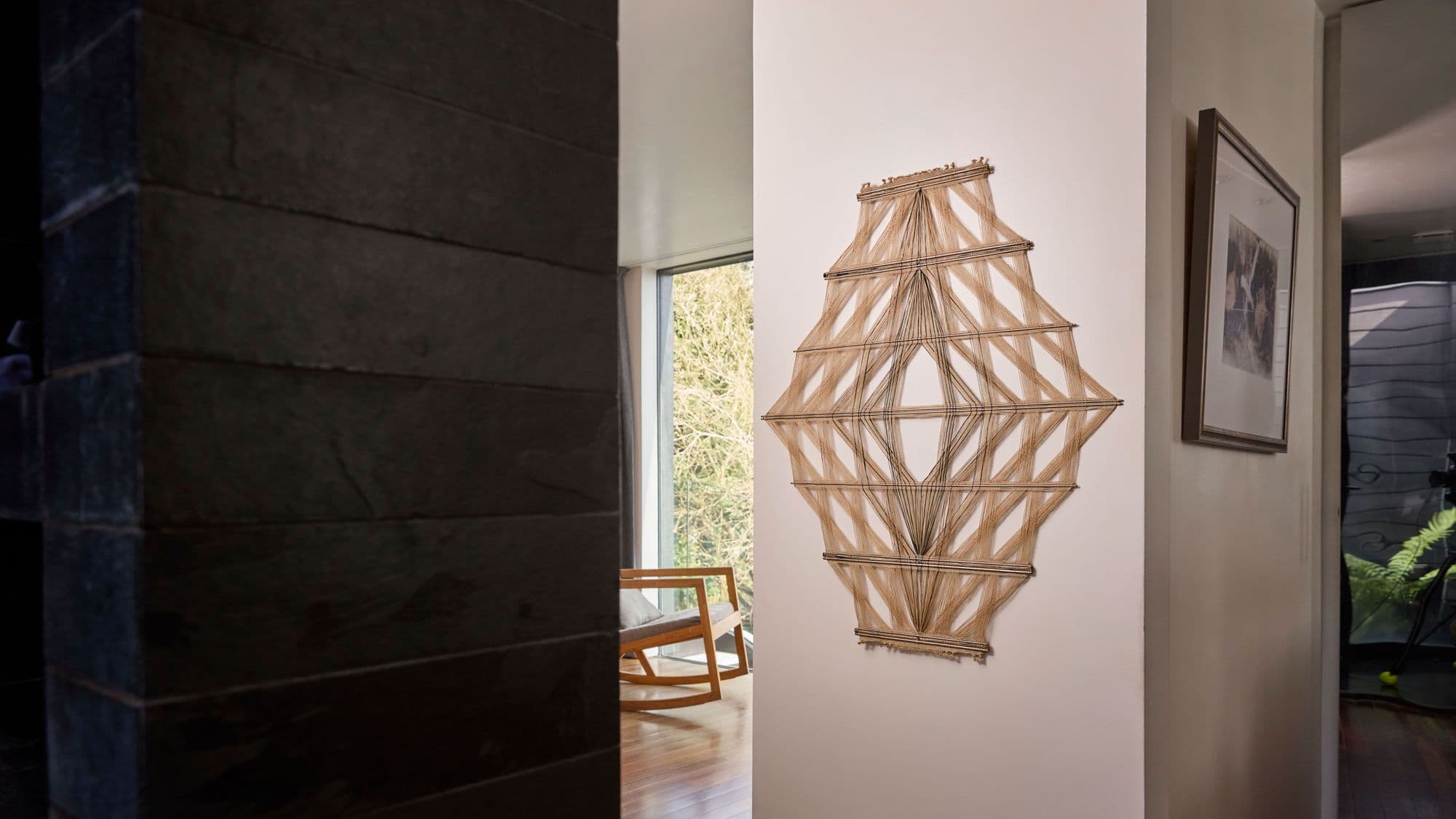
Although Peter Chang became internationally recognised for significantly influencing contemporary jewellery, he regarded himself first and foremost as a visual artist. With a background in fine art printmaking and sculpture, his explorations of, and fascination with materials and processes, together with visual idea development became the backbone of his work, evolving into jewellery, or wearable sculpture, as he would often call it.
Peter’s work often reflected elements of nature and human creation. He often used everyday materials, turning them into extraordinary, beautiful, and colourful objects. Working primarily with synthetic resins and plastics, Peter Chang’s unorthodox and playful approach to object making and fascination in pushing the boundaries with process and materials together with his incredible patience, resulted in sublime, strange, and exuberant art objects.
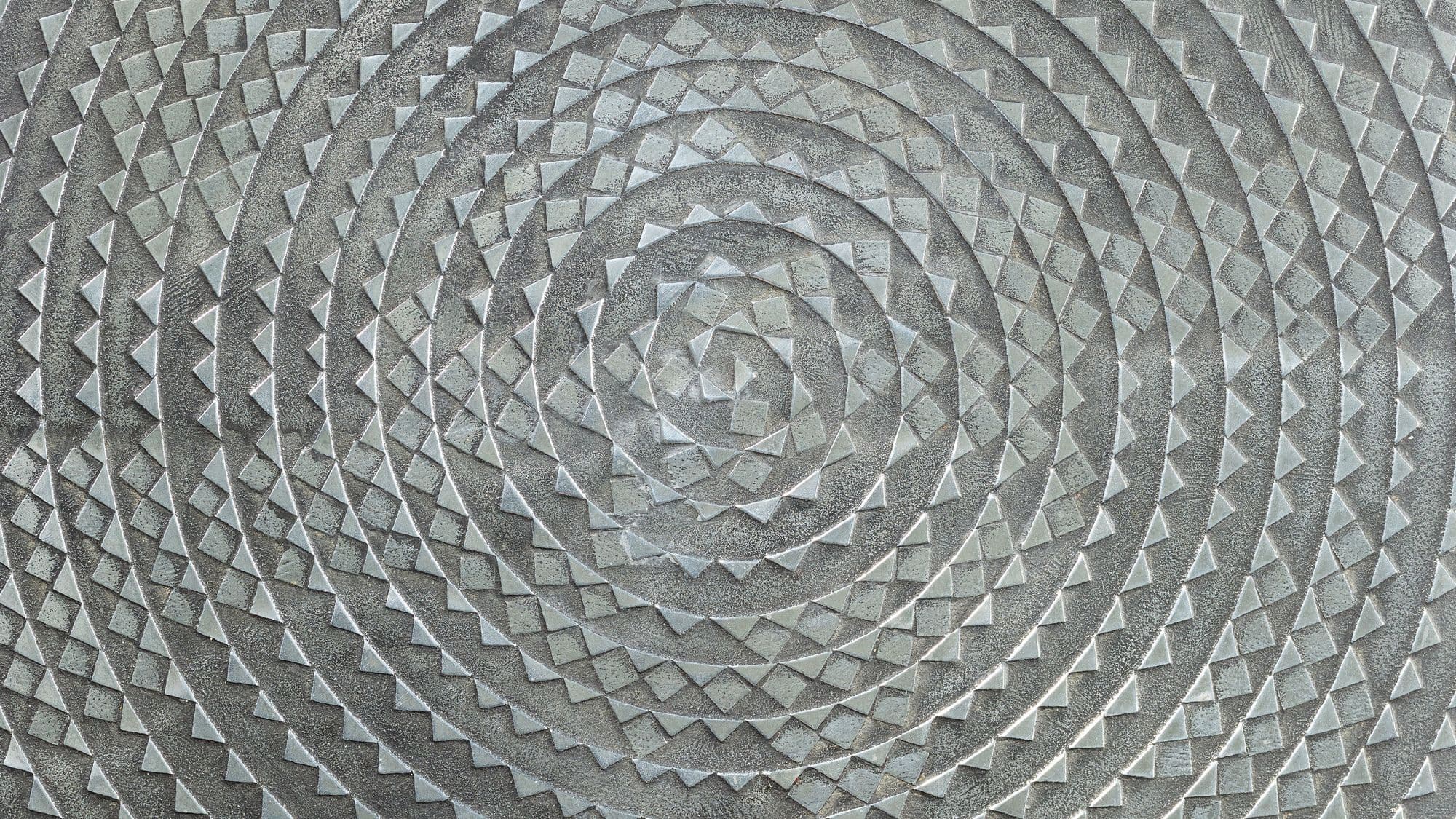
His fascination with colour began as a fine art printmaker, where he explored layered surfaces, abrasion, and relief before carrying these discoveries into sculpture and, later, jewellery.
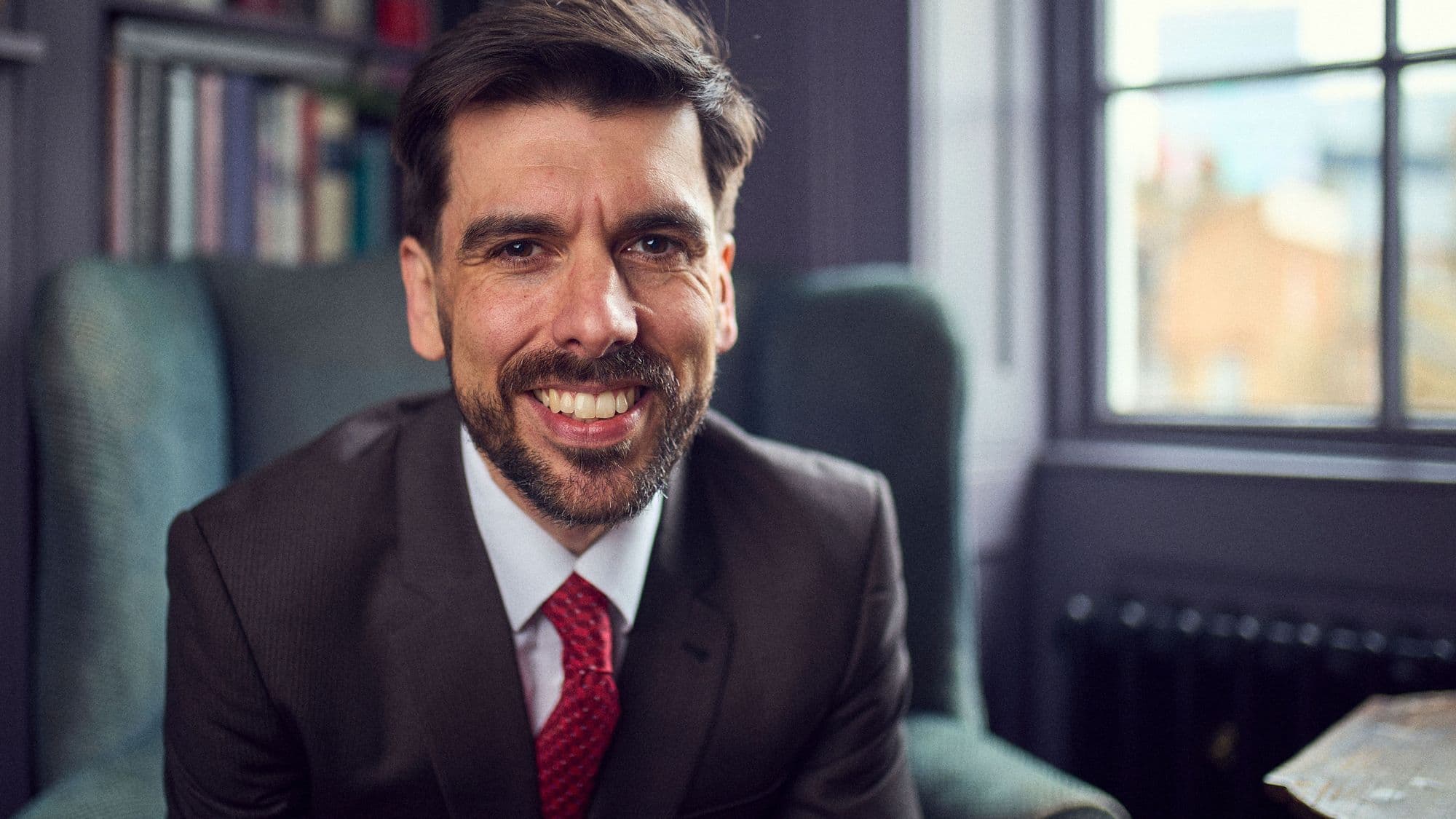
Barbara Santos Shaw Chang, Peter’s wife, said of the gift of the collection and archive:
“Peter Chang is an Internationally renowned artist, best known for his Jewellery, which is only one aspect of his total creative out-put.
“The Gift to Glasgow includes, his sculpture, prints, his remarkable etching plates which really are low-relief sculptures, countless drawings, working drawings for objects, sculpture and jewellery, school drawings, his extensive archives, and his workshop.
“It will be available to attract visitors of all nationalities to Glasgow because Peter Chang is such a well-known international figure.
Barbara continued: “Which major museum I would finally settle on, to gift the 'Peter Chang Legacy’ to, was not easy, believe me! It took much research and enquiry on my part before the final decision, and involved considering several other museums, in Scotland, England, Germany and America, where important collections of Peter’s work already existed.
“Wherever the bulk of Peter’s remaining work would go, the museum had to be educationally involved and active; warmly accessible to a full range of public and age groups and outside visitors and be involved in a full range of research which would be of benefit nationally and internationally.
“Above all it should be considered by the surrounding public, as loved and totally accessible and belonging to them.
“In other words, a museum essential to the wellbeing of the whole community, but also importantly, able to attract visitors from Scotland, the UK and overseas.
“I chose Kelvingrove Art Gallery and Museum in Glasgow, to offer the gift of Peter Chang’s precious legacy. It fits all those hopes and wishes.
“Also, I am greatly encouraged by the enthusiasm, vision and commitment of curator Alison Brown and the staff at Kelvingrove, and in the knowledge that many schools, in Glasgow and across Scotland (and indeed parts of England), include studying Peter's work as part of their curriculum.
“I hope the 'Peter Chang Legacy’ will be a huge draw for the city, and hopefully Glasgow will take him into its heart.”