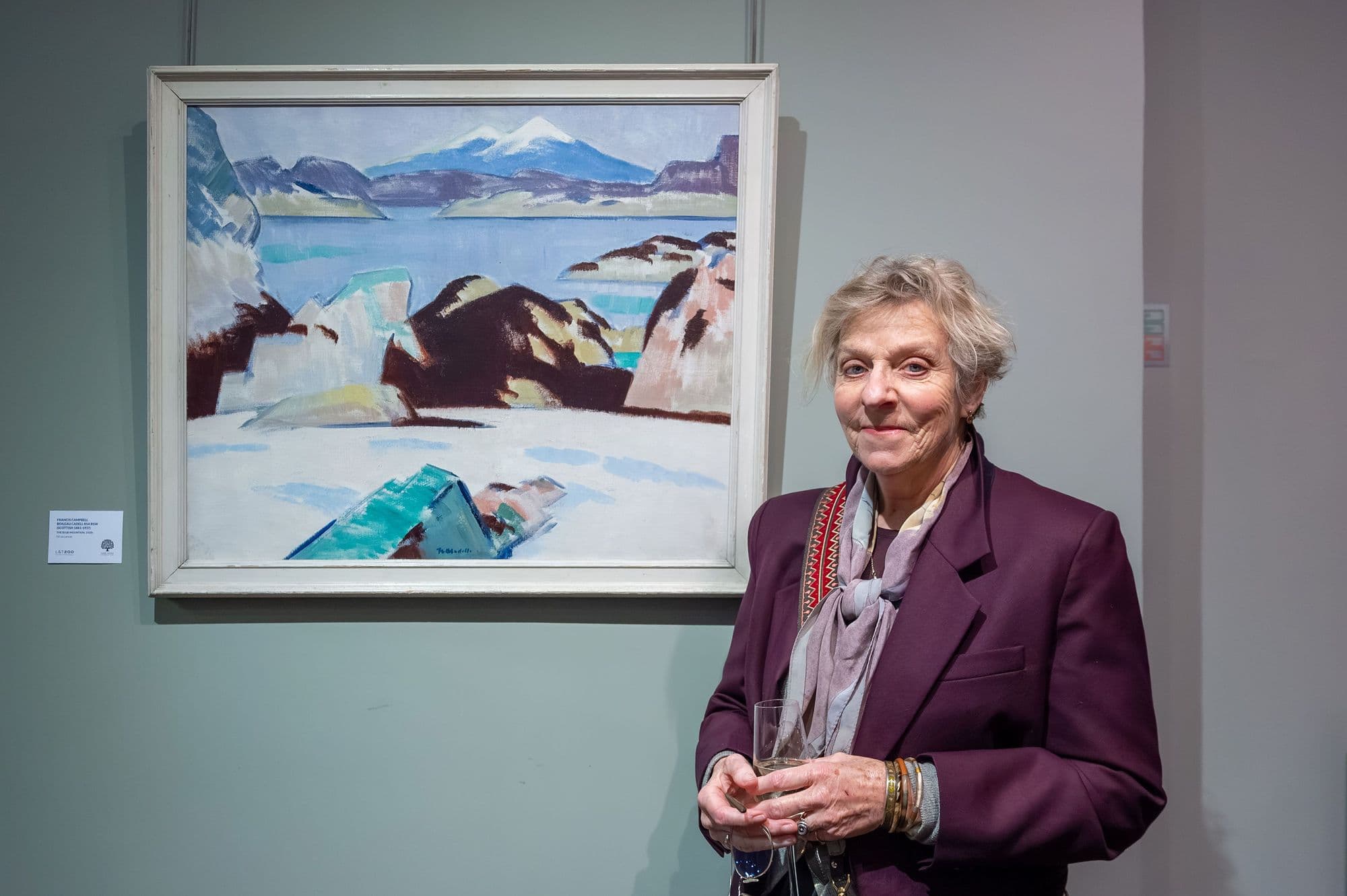
As their great-niece, Selina Cadell, has recalled, Jean showed tremendous courage and independence by embarking on a career as an actor. Her parents did not believe it was a suitable pursuit for their daughter, but did permit her to appear in the then fashionable tableaux vivants. Family legend has it that she was approached after one such performance by the impresario George Alexander of London’s Theatre Royal Drury Lane, but did not follow up his offer of a job until her parents had died (Mary in 1907 and Francis in 1909). Cadell lent her the train fare to the English capital, she knocked on the theatre’s Stage Door and as a result worked there for two years.
She is also believed to have travelled as a foot passenger, by herself, on a Russian cargo ship to Los Angeles in the 1930s, in order to meet W. C. Fields and suggest that she play Mrs Micawber in his forthcoming film of David Copperfield (1935); she got the part. She is, however, perhaps best known for her roles in the comedies made by Ealing Studios in London after the Second World War, most famously playing Mrs Campbell in Whisky Galore (1949).
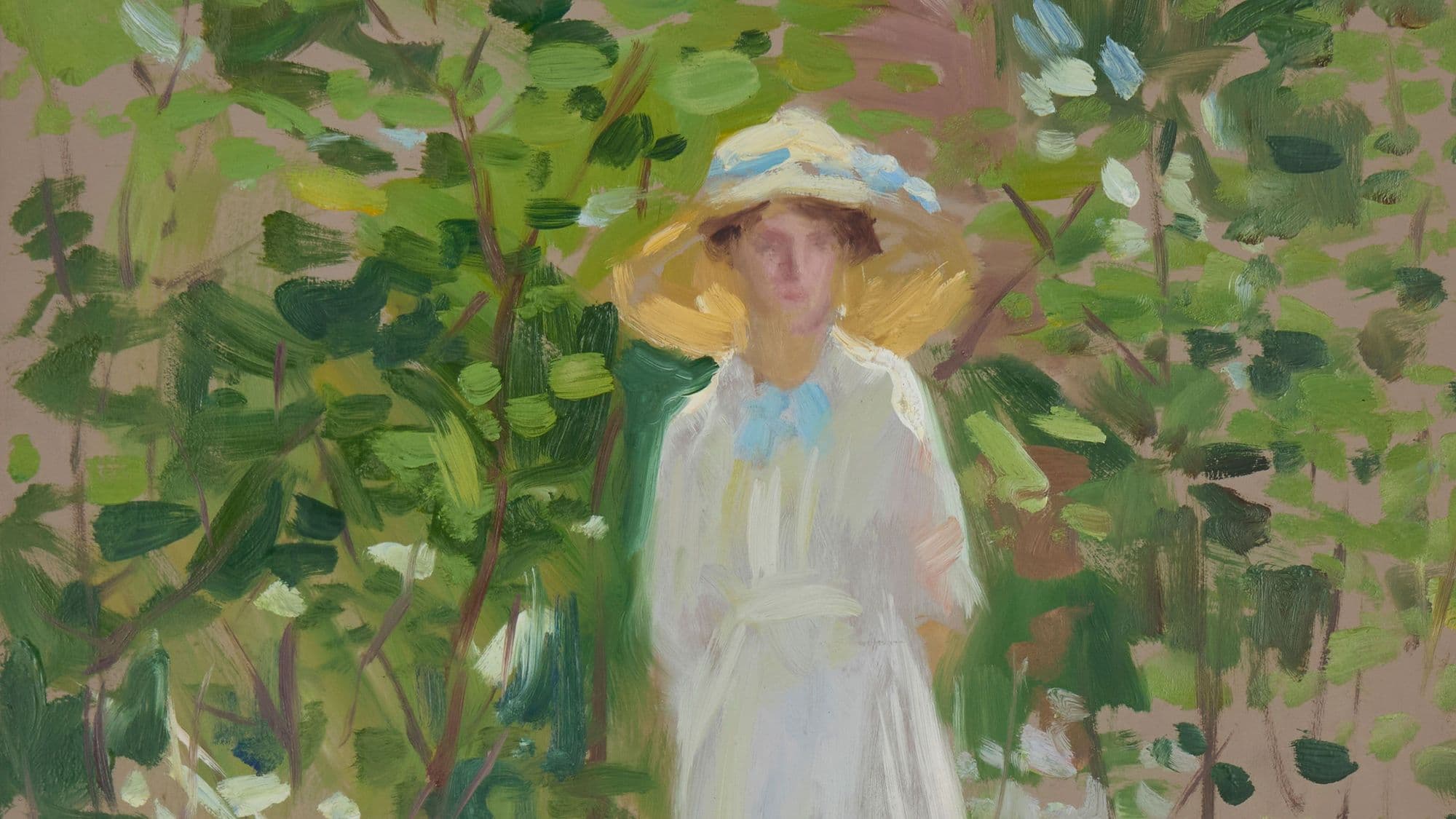
Cadell painted the present work in 1912, the year in which he was a co-founder of the Society of Eight exhibiting society, alongside John Lavery amongst others. Their friendship can be seen in the shared sympathetic approach to a beautiful female model seen in Jean Among Trees. The Society was underwritten by Cadell’s Edinburgh Academy school friend, Patrick Ford, who was one of his most important patrons and collectors. It has remained in Ford’s family to this day.
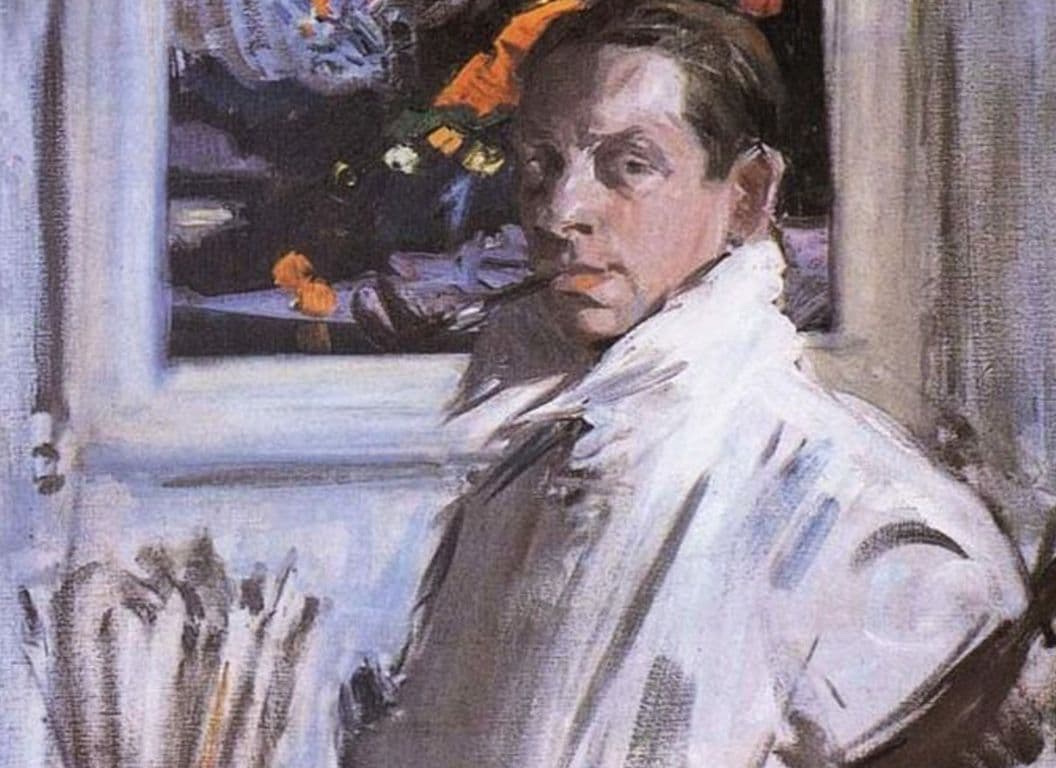
Cadell went on to serve in the First World War and to emerge in the 1920s as one of Scotland’s most important artists of the twentieth century. On his death in 1937, Jean and her son were the main beneficiaries of his will and Jean did much to secure his artistic legacy.