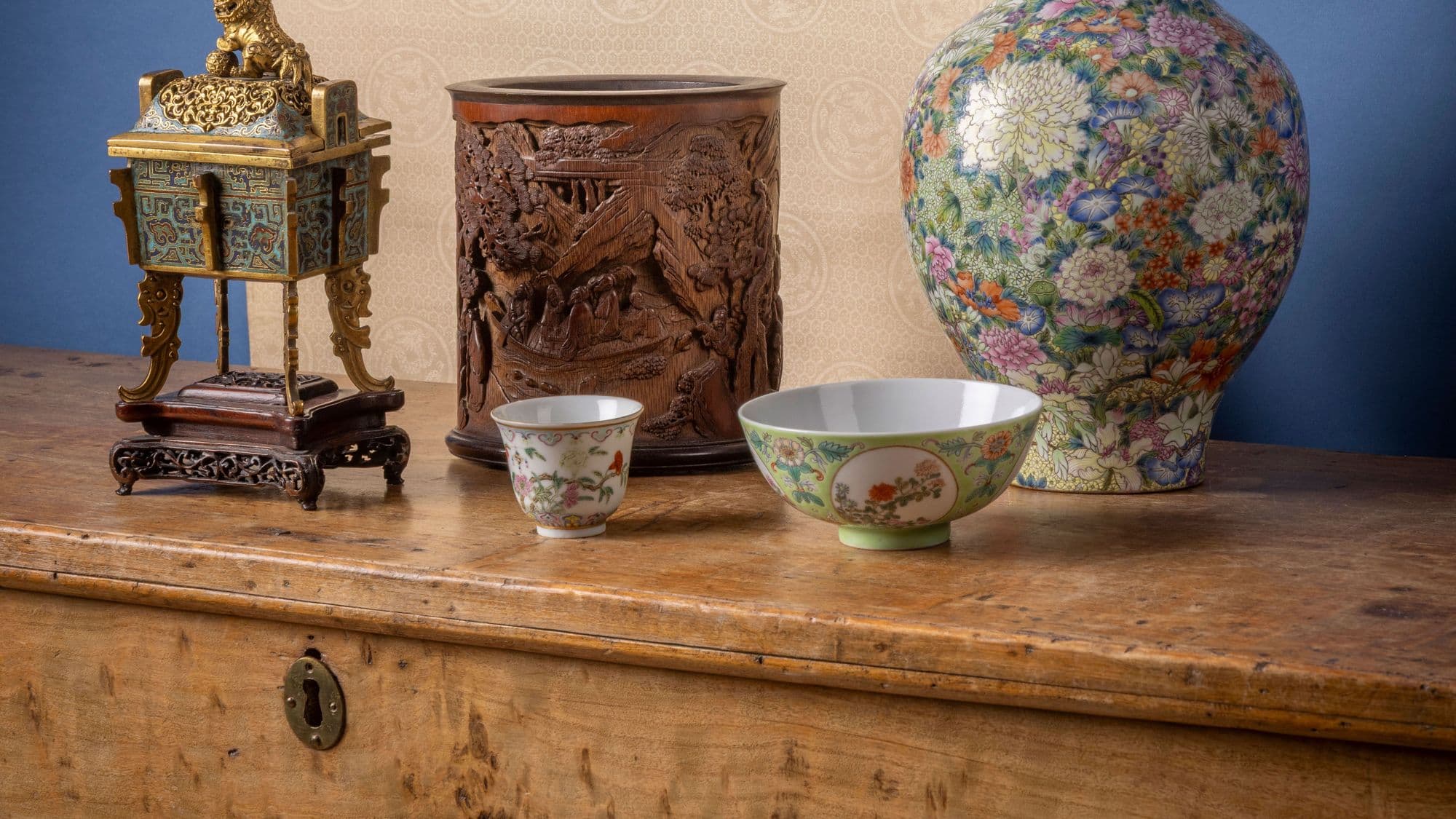
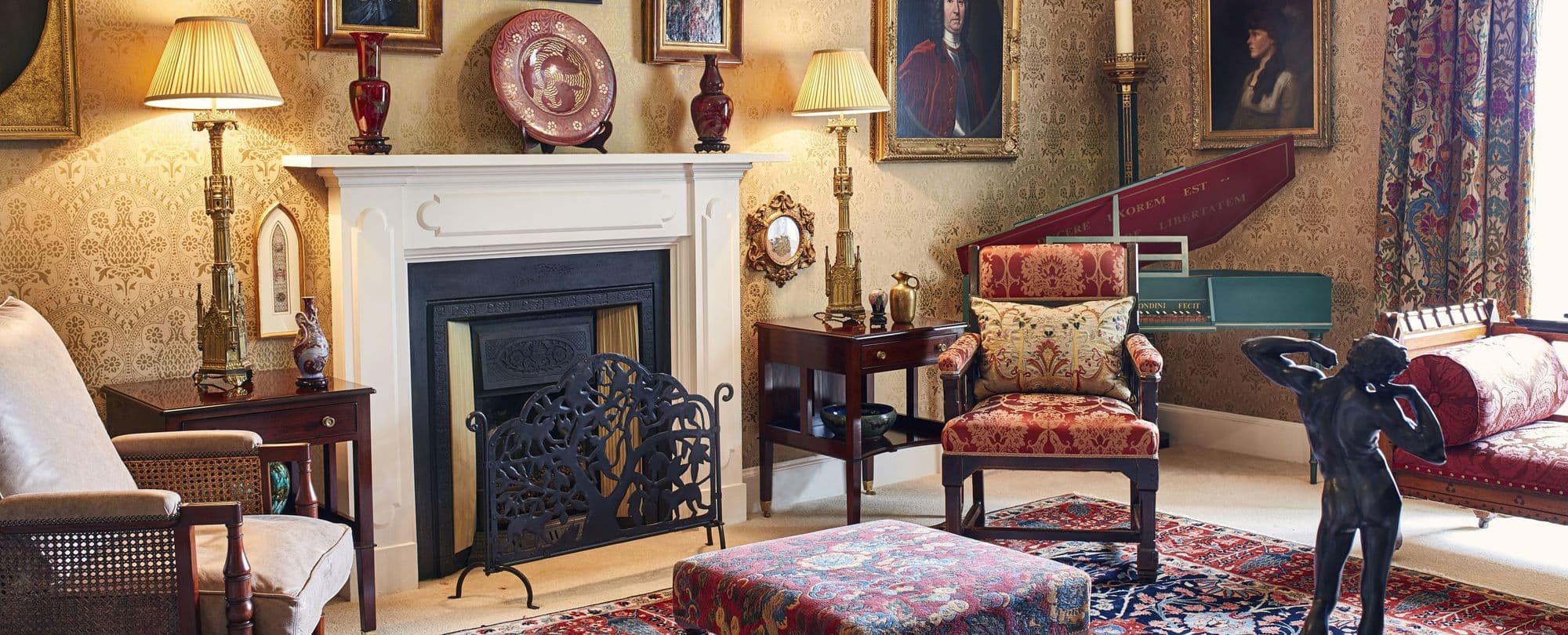
Across Britain, thousands of Chinese ceramics, Japanese works of art and other Asian antiques remain quietly displayed in family homes, often inherited generations ago and appreciated simply as decorative objects. Many were brought back during the nineteenth and twentieth centuries by diplomats, merchants, missionaries, military families and travellers, before passing from one generation to the next.
While some are decorative souvenirs, others are rare and historically important works of art. Without specialist knowledge, it can be difficult to distinguish between the two. At Lyon & Turnbull, our Asian Art specialists regularly uncover significant Chinese and Asian works that have remained unrecognised in private collections for decades. From imperial porcelain and Chinese export wares to Japanese lacquer and Korean ceramics, these discoveries demonstrate the continued strength of the international market for Asian art.
Why Are Chinese Antiques Found in British Homes?
Britain has a long history of collecting Asian works of art. Throughout the eighteenth, nineteenth and early twentieth centuries, objects were acquired through trade, travel and diplomatic service across China, Japan and Southeast Asia.
Many remained within the same family for generations. Today, they are often found in cabinets, on mantelpieces or carefully packed away, their original history forgotten while their significance has quietly increased over time.
For families who have inherited these collections, professional advice can reveal both their historical importance and their current market value.