3. Consider How Your Japanese Art Will Be Catalogued
Good cataloguing is particularly important in Japanese art, where small details can have a considerable bearing on an object's significance. A well-researched catalogue description helps prospective buyers understand what they are looking at and why it might be of interest. Where possible, this should include information about the artist or maker, period, materials, decorative techniques, inscriptions and provenance.
For Japanese works of art, specialist research might involve examining:
- Signatures and workshop marks on Satsuma pottery
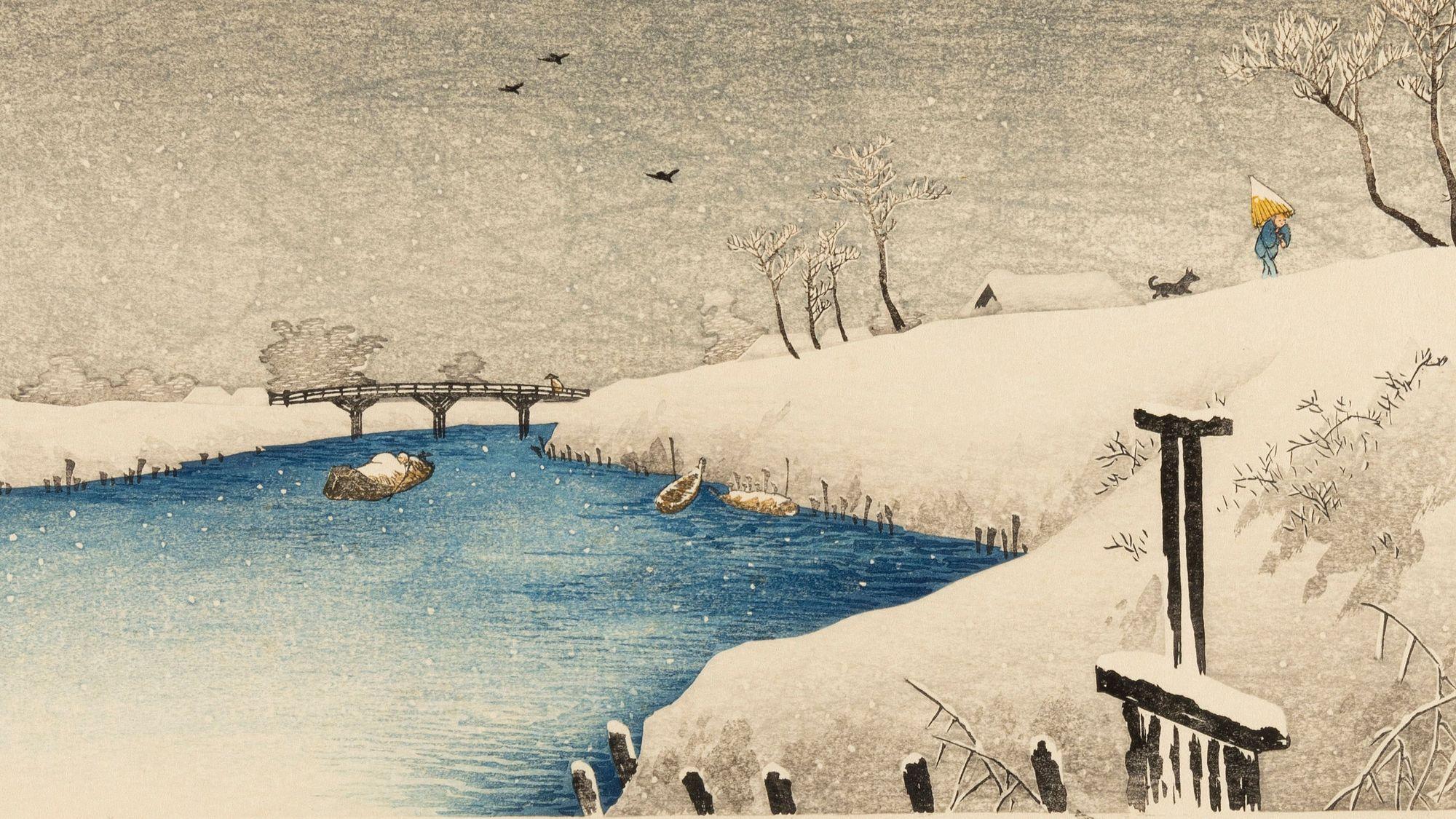
- Artist and publisher seals on Japanese woodblock prints
- Signatures and carving techniques on netsuke and okimono
- Decorative techniques used in Japanese lacquerware
- Casting, inlay and patination on bronze vessels
- Enamelling techniques and workshop characteristics on cloisonné
At Lyon & Turnbull, specialist research and cataloguing form an important part of the auction process, helping collectors make informed decisions when bidding.
4. Find an Auction House with an International Audience
Japanese art has attracted collectors outside Japan for centuries, particularly following the country's increased engagement with international trade during the nineteenth century. Today, collectors continue to pursue Japanese works of art across geographical boundaries, often developing highly focused interests in particular artists, workshops, periods or techniques.
An auction house's ability to reach these collectors is therefore an important consideration. Online catalogues, international marketing, specialist communications and online bidding allow works consigned in the UK to be seen by prospective buyers around the world. For objects with a particularly specialist appeal, reaching the right audience can be just as important as reaching a large one.
5. Choose the Right Auction Format for Your Objects
Not every Japanese work of art needs to be offered in a traditional live auction. The most suitable format will depend on the nature of the object, its estimated value and the market in which it is likely to attract interest. Dedicated timed online auctions offer an alternative to traditional live sales, allowing collectors to browse catalogues, research objects and place bids over an extended period.
Lyon & Turnbull's dedicated Japanese Art timed auctions provide a focused platform for Japanese ceramics, metalwork, lacquerware, carvings and other works of art. By bringing these objects together within a dedicated catalogue, the format allows collectors to concentrate on their particular areas of interest while offering sellers access to an international online audience. Our specialists can advise on whether a dedicated Japanese Art auction or another specialist sale is the most appropriate setting for your objects.
6. Understand the Valuation and Selling Process
Before committing to an auction house, establish how your objects will be valued, what selling costs apply and how the auction process works. An initial auction valuation should help you understand the potential market value of your Japanese art and whether selling at auction is an appropriate option.
It is worth asking about:
- The recommended auction estimate
- How the reserve price is agreed
- Seller's commission and any additional charges
- The proposed auction date and format
- How your objects will be photographed and marketed
- Arrangements for delivery and payment following the sale
A good specialist should be able to explain the reasoning behind their recommendations and answer any questions you have before you decide to sell.
What Makes Japanese Art Desirable at Auction?
While collecting tastes vary considerably across the Japanese art market, several characteristics consistently warrant closer examination.
- Quality of craftsmanship: The precision of carving, casting, enamelling or lacquer decoration can distinguish exceptional examples from more commonplace production.
- Artist or workshop: An identifiable maker or established workshop may add to an object's significance, although signatures must always be assessed alongside the work itself.
- Condition: Original surfaces, intact decoration and the extent of previous restoration can influence collector interest.
- Rarity: Unusual forms, subjects, techniques or documented commissions may appeal to specialist collectors.
- Provenance: Previous ownership, historic collection labels, original boxes and associated documentation can contribute valuable information about an object's history.
These characteristics are best considered together. A signature alone does not necessarily make an object valuable, just as an unsigned piece should not automatically be overlooked.