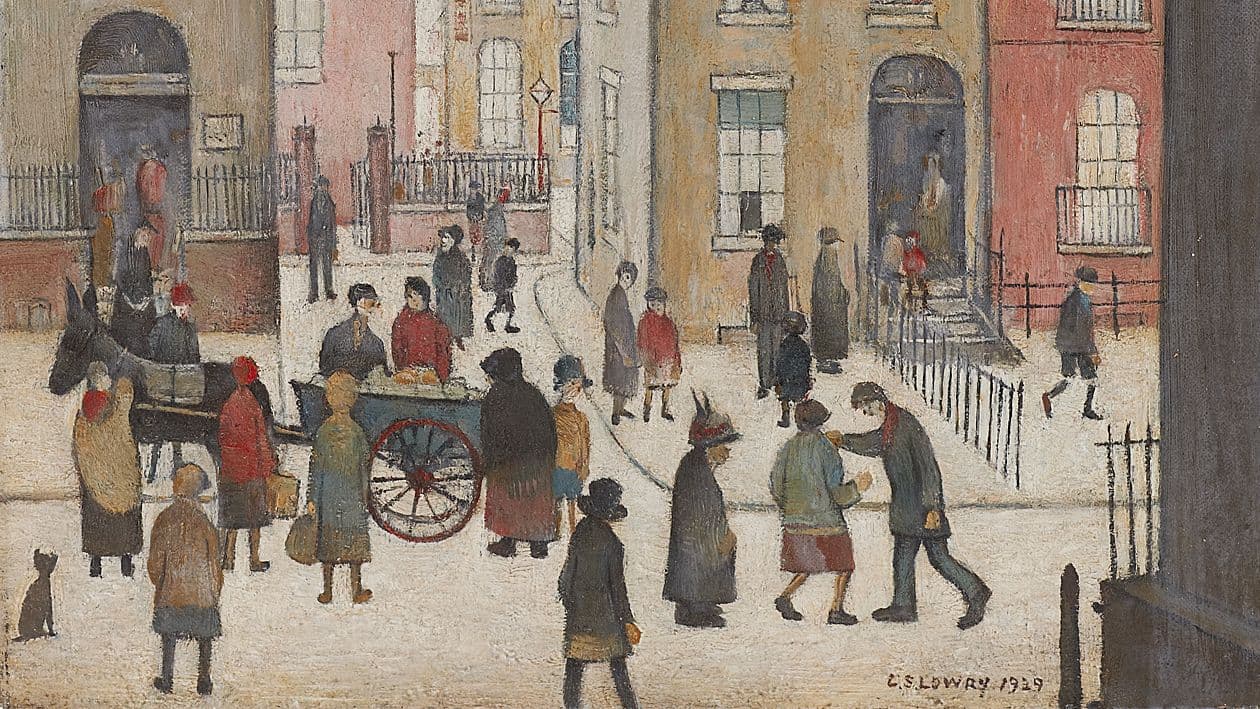
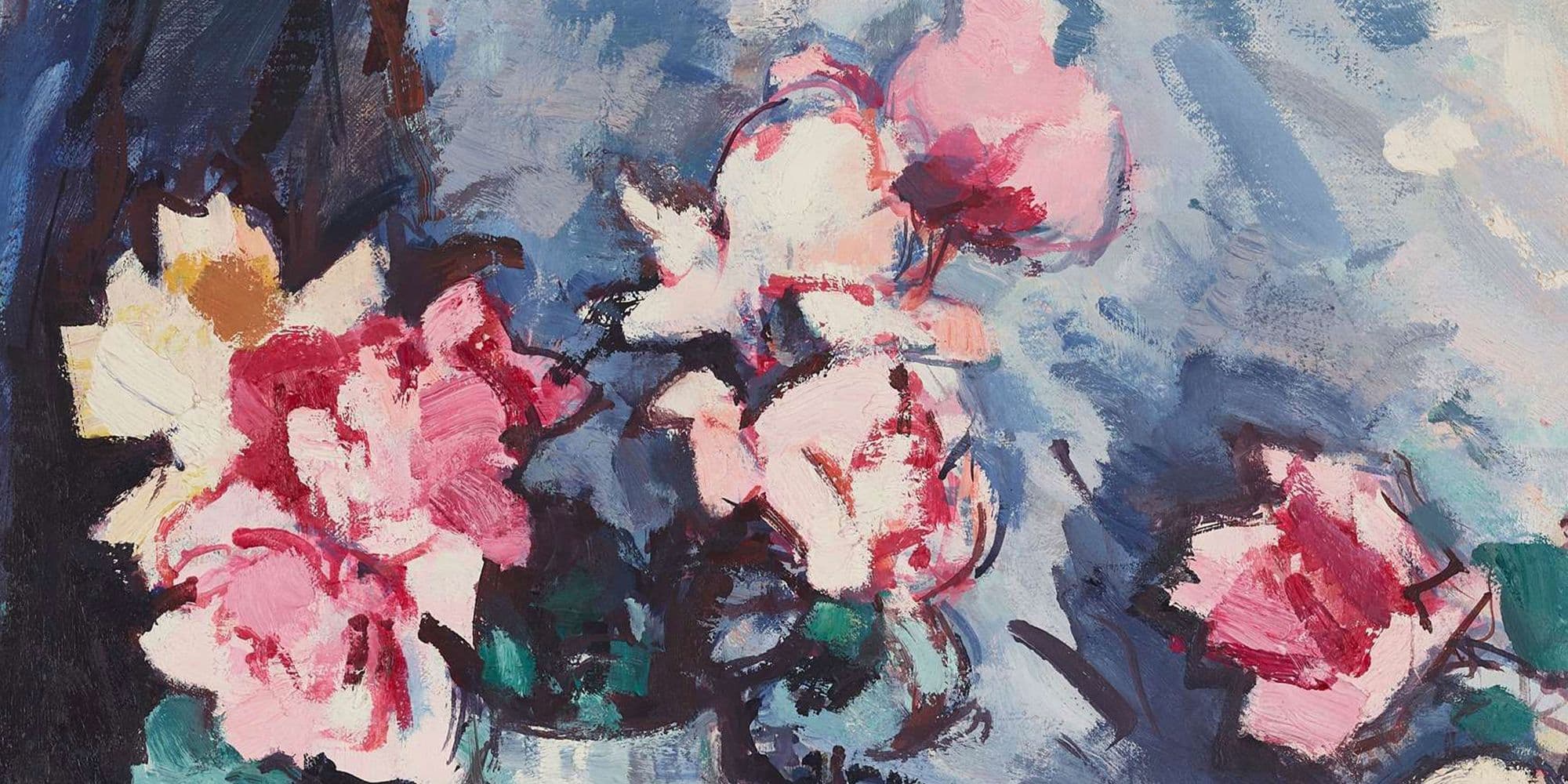
Away from the screen and stage, Lloyd Pack nurtured a personal passion for Modern British Art, a side of his life that was less visible to the public but profoundly meaningful to him. Over the years he lived with and collected works by a number of notable British artists whose contributions to 20th-century art remain influential. They included Mary Fedden, Mary Potter and Winifred Nicholson among others.
Lloyd Pack’s choice to live with these works reflected an informed and heartfelt appreciation of Modern British Art as a lifelong creative companion. His collection wasn’t assembled as an investment; it reflected personal affinities with colour, composition and the expressive potential of painting.
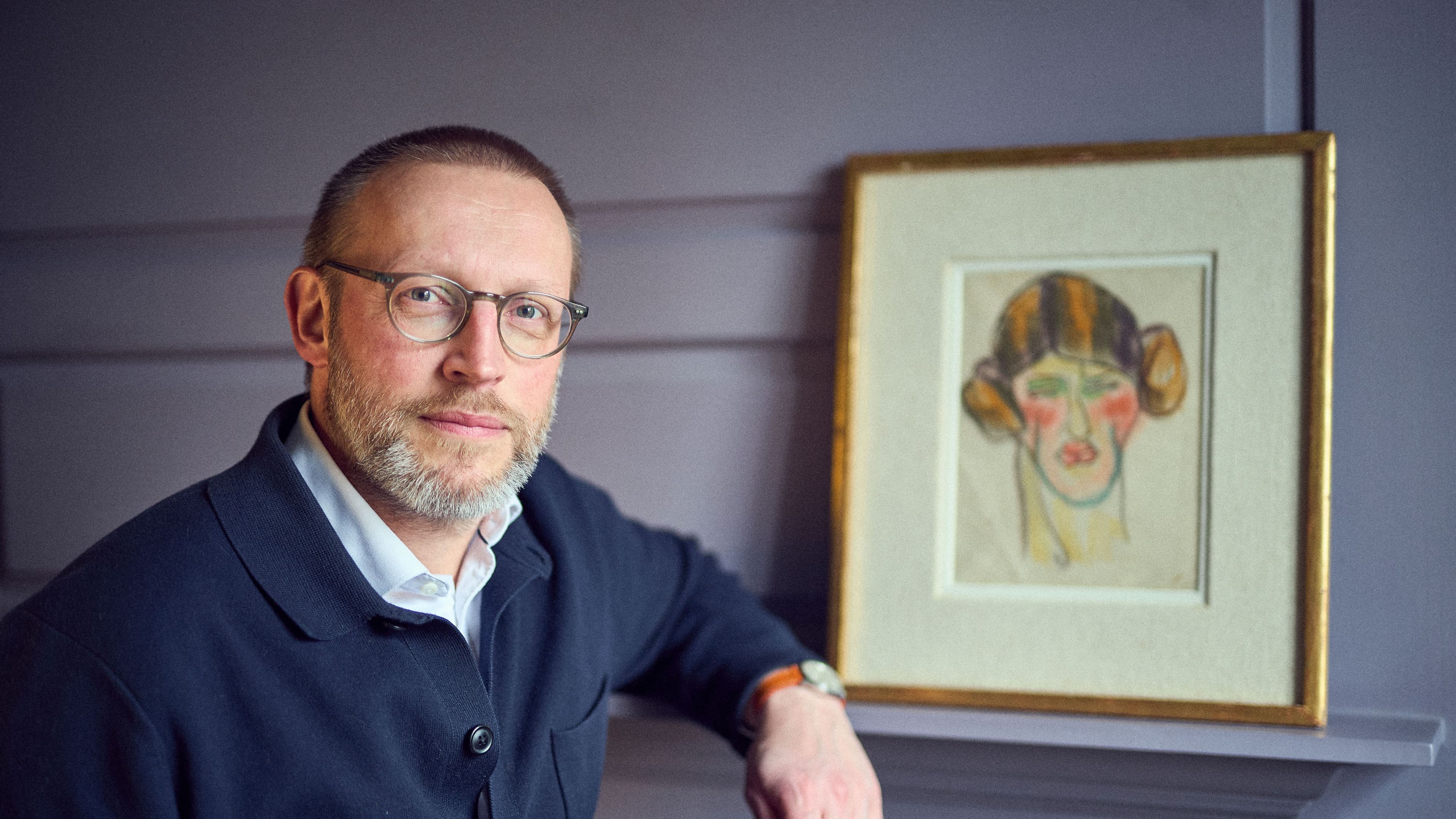
Senior Fine Art Specialist Simon Hucker recalls first encountering Lloyd Pack walking the aisles of the 20th-Century British Art Fair in the late 1990s, then held at the Royal College of Art in London. At the time, the fair was a highly focused event: Modern British Art, the best dealers and a knowledgeable, committed collecting audience.
“I remember him walking around the fair,” Simon says. “Of course, in those days he was best known for playing Trigger in Only Fools and Horses, so there was a kind of cognitive dissonance, between the character you knew and loved and the man standing in front of you, asking you very pertinent and serious questions about the works on your stand.”
That dissonance quickly dissolved. Beneath the familiar television persona was a thoughtful, erudite individual, well read, quietly observant and deeply interested in art. Lloyd Pack was not collecting conspicuously or extravagantly. While his acting work was well known, he was careful in his purchases, buying with knowledge and genuine passion. This kind of considered, informed collecting feels strikingly modern now.
Collecting What He Loved
Works from Lloyd Pack’s Estate include examples by leading women artists Mary Fedden, Mary Potter and Winifred Nicholson, who have been subject to renewed attention and reassessment, as the wider art world has looked again at the contribution of those female artists often overlooked by art history.
Nicholson offers a particularly clear example of this shifting perspective. For many years her work was viewed through the lens of her relationship with Ben Nicholson, yet recent scholarship has increasingly highlighted her independence from her husband, her own international connections, especially with the likes of Piet Mondrian and the Parisian avant-garde of the 1930s and an intellectual curiosity that allowed her to shift between modernism and tradition. In this context, Lloyd Pack’s collection reflects a spirit ahead of its time.
Potter’s work also resonated strongly with him, with its quiet observation of place and atmosphere, and its affinity not just with subject matter but with lived experience.
Living With Art
What emerges most clearly from Lloyd Pack’s collecting is a sense that these works were not acquired as trophies or investments, but as companions. He lived with these paintings for many years, allowing them to become part of his daily environment and intellectual life.
His collecting reflects a sensitivity to colour, composition and mood, as well as an appreciation of the expressive possibilities of art. This affinity perhaps grew out of his broad cultural engagement, from his education at progressive schools with emphasis on arts and drama to a lifelong love of culture, theatre and creative expression, all of which shaped his discerning eye and genuine passion for art. Ultimately, it was his way of engaging with creativity beyond his own profession.