Studio Glass
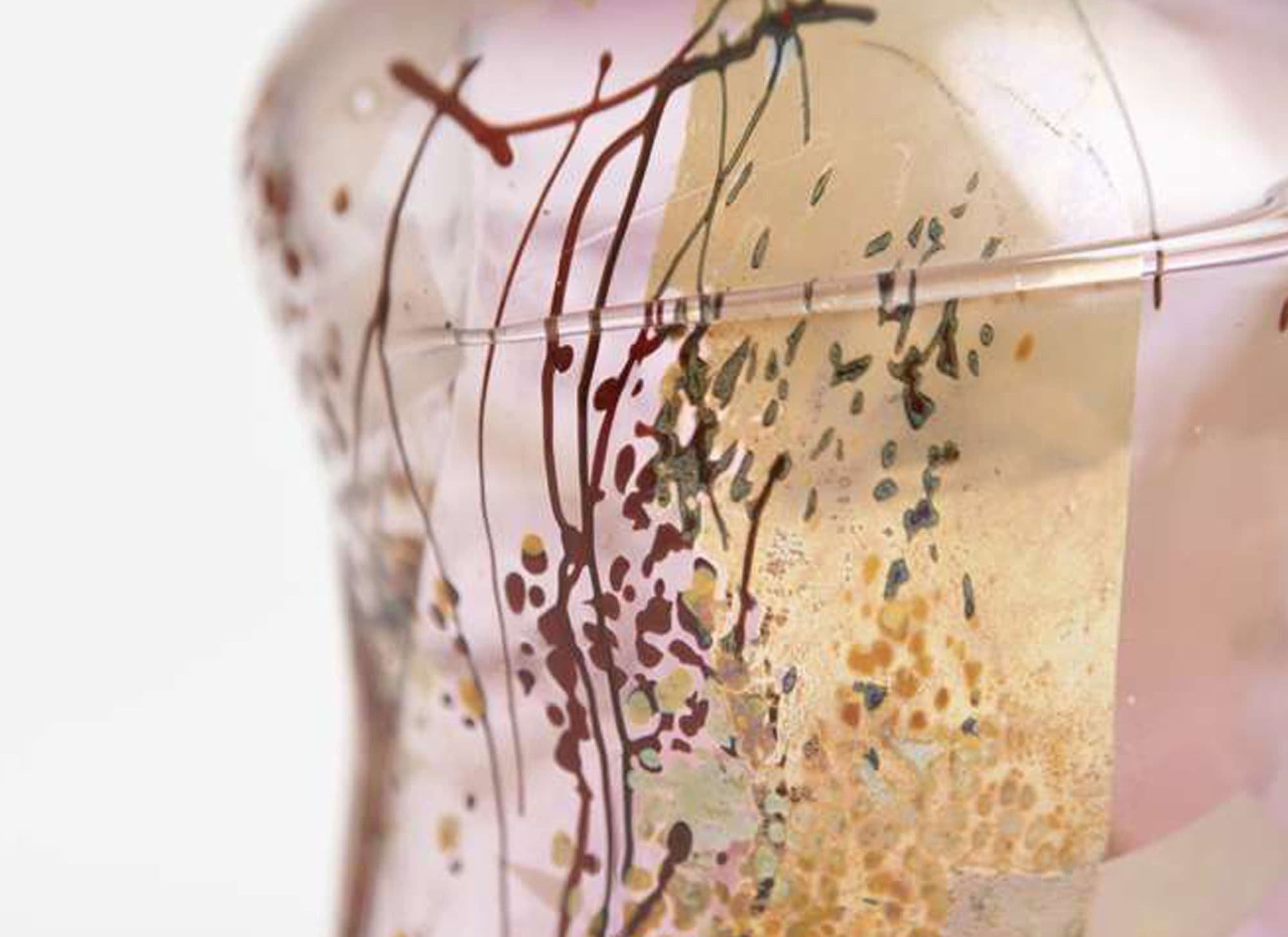
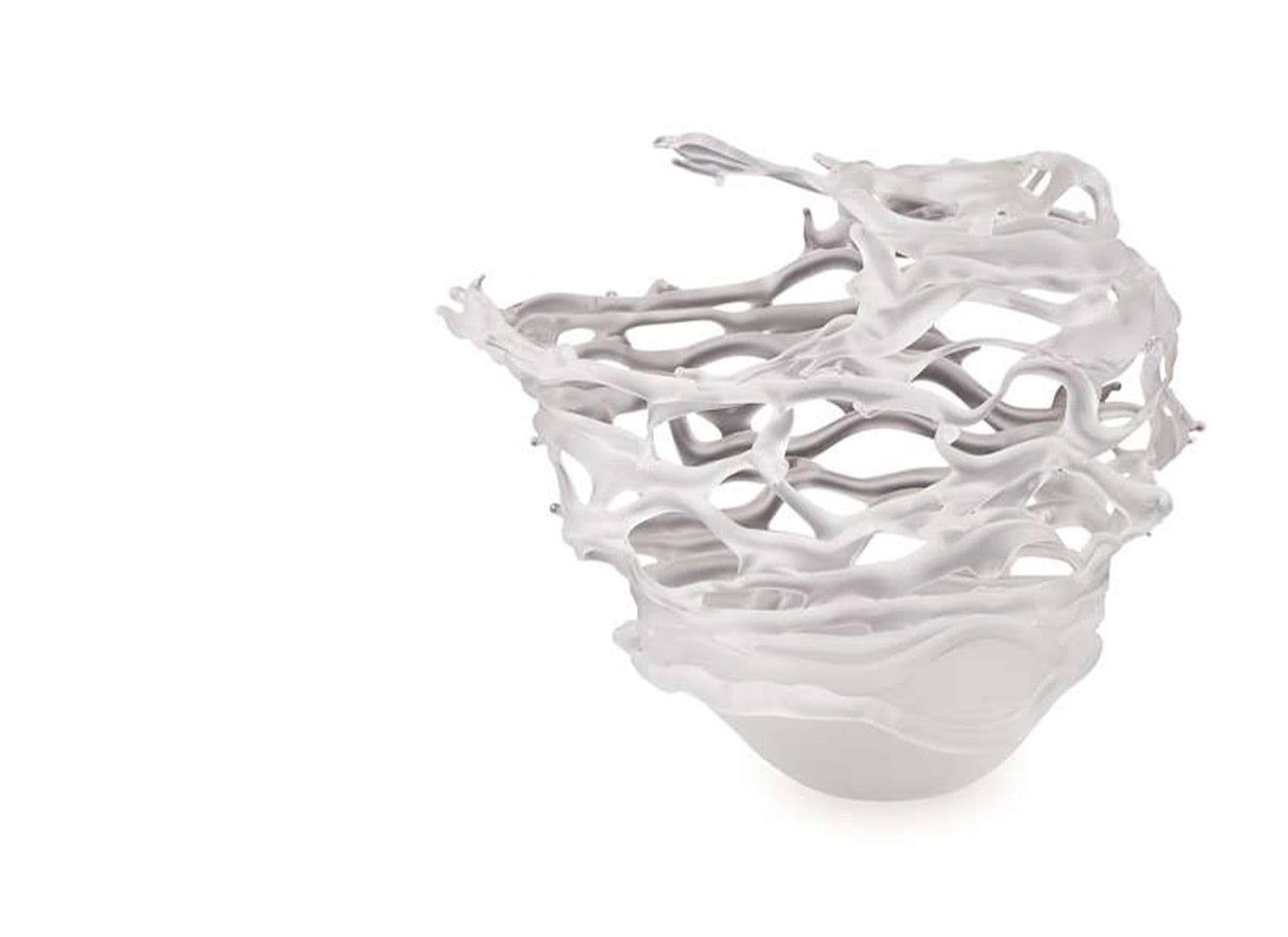
Glass also found a new voice in post-war Britain. Influenced initially by Scandinavian design and later by American studio glass pioneers, artists such as Sam Herman, Michael Harris, Peter Layton and Colin Reid helped establish studio glass as a serious artistic discipline in the UK. Glass shifted from factory production to the studio, becoming a medium for personal expression, technical innovation and architectural ambition.
Furniture
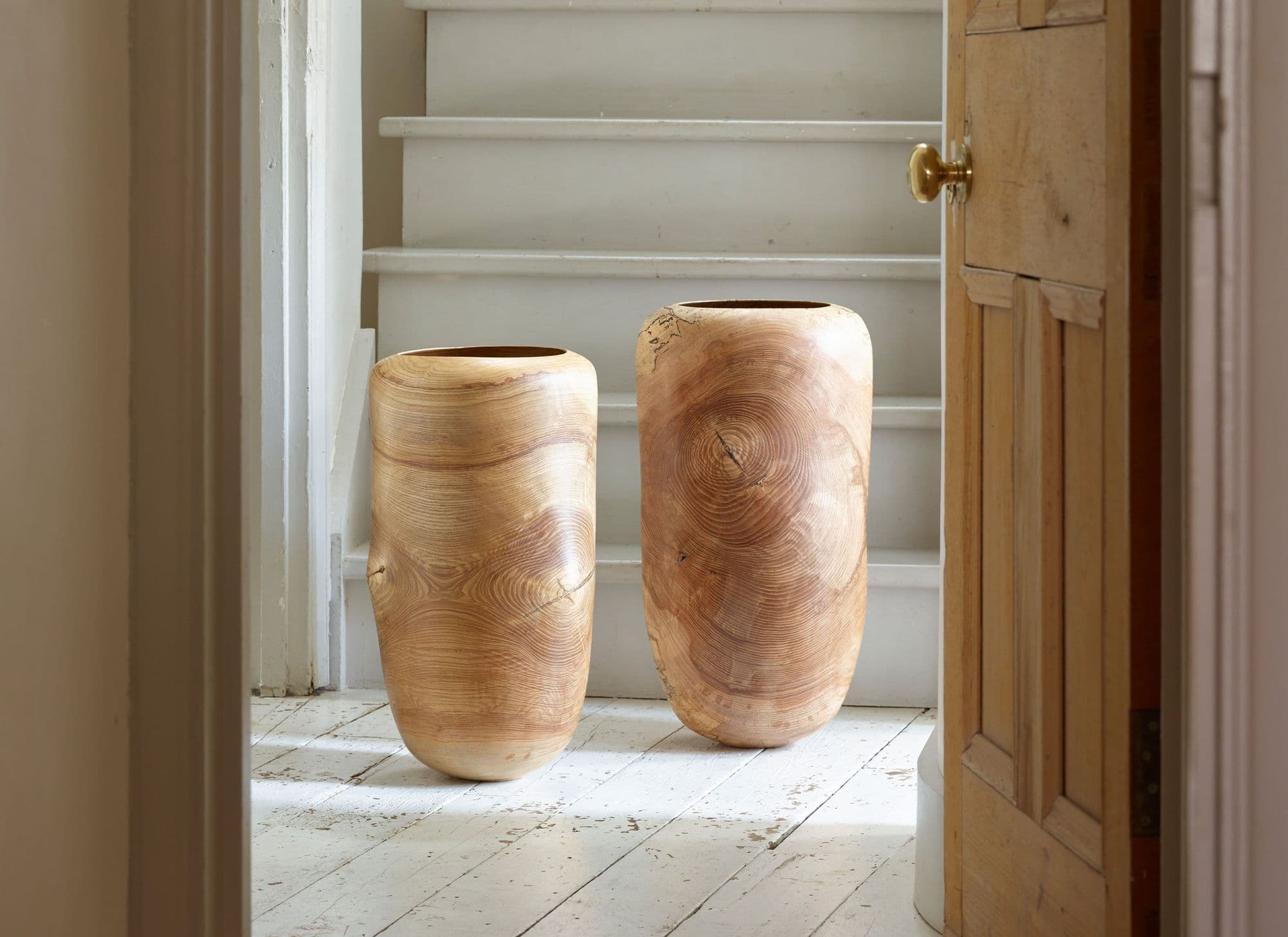
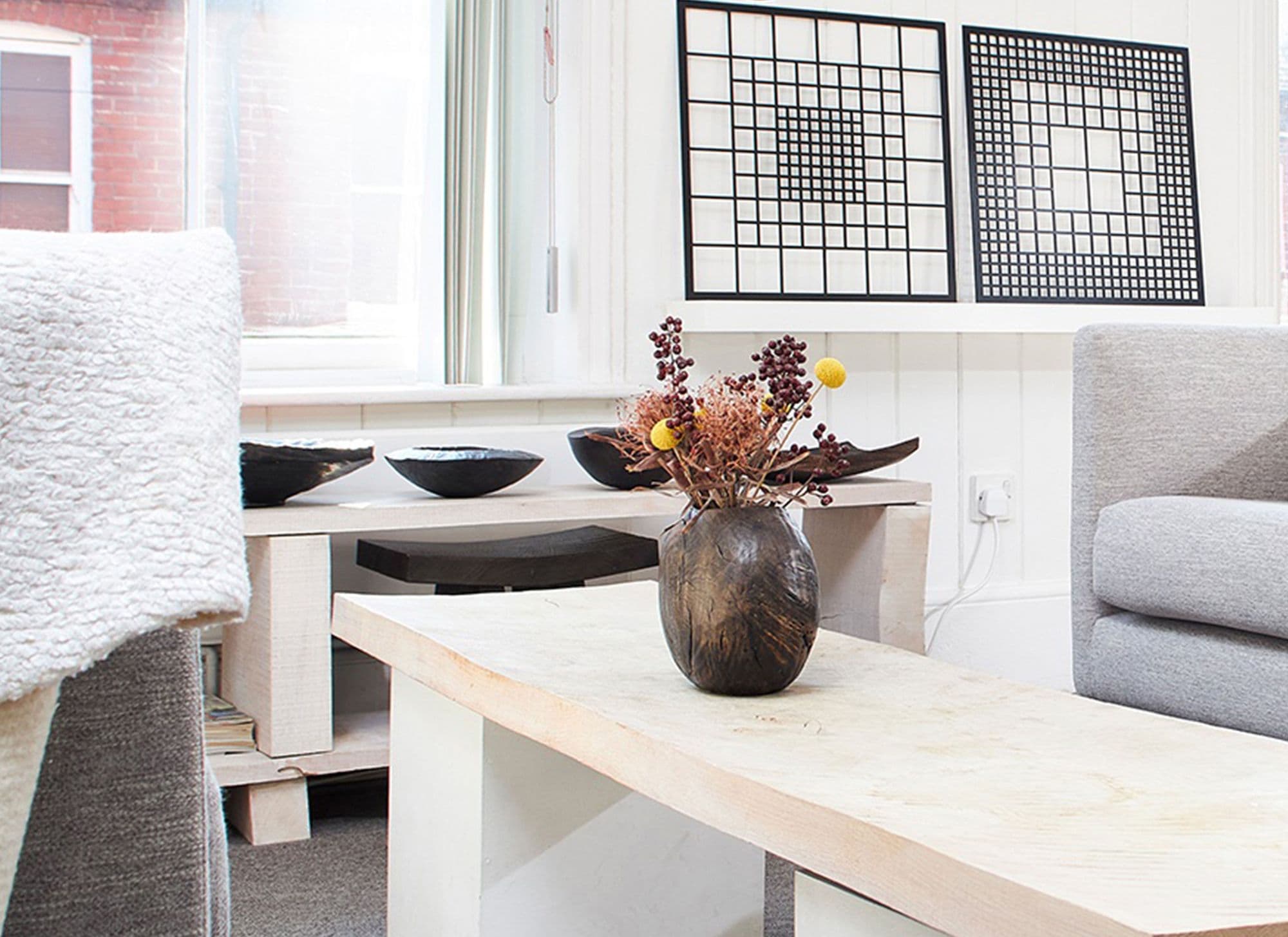
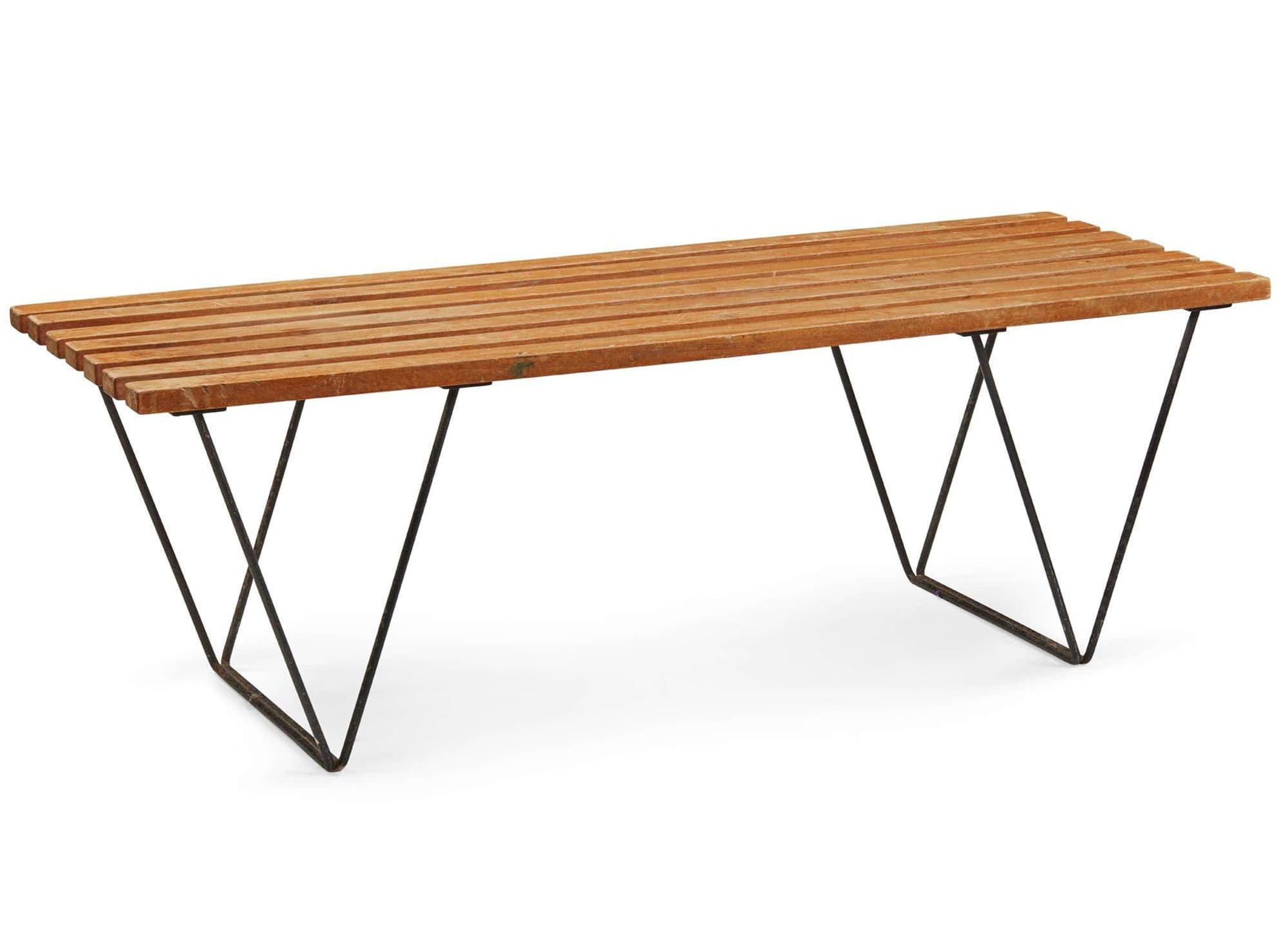
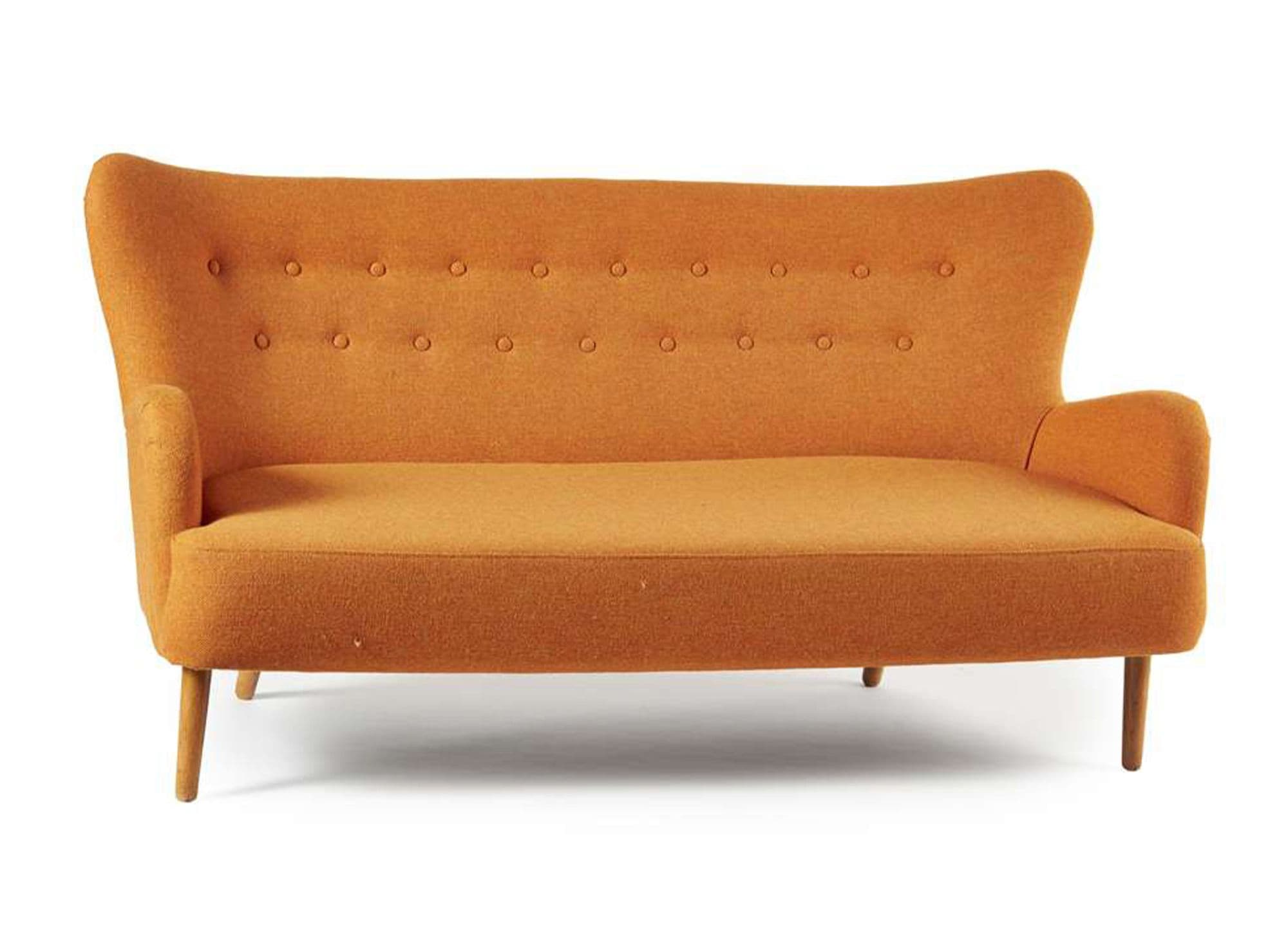
Furniture and applied design completed this post-war craft ecosystem. Designers including Robin Day, Gordon Russell and Ernest Race championed well-designed, well-made furniture for everyday living, aligning craft values with social purpose. Their belief that good design should be accessible, durable and meaningful continues to resonate in the work of contemporary designers such as Rupert Williamson, Gareth Neal and others who bridge craft, design and sculpture.
Today, this rich post-war craft heritage is increasingly reassessed and appreciated not only for its aesthetic qualities, but for its cultural and historical significance. Collectors, institutions and scholars alike are recognising the importance of these makers in shaping Britain’s creative identity. Within this context, auction houses with deep craft knowledge play a vital role, not simply as marketplaces, but as custodians, interpreters and advocates for the field.
At Lyon & Turnbull, long-standing engagement with British craft allows for a nuanced understanding of post-war making across disciplines. By presenting ceramics alongside textiles, jewellery beside metalwork and furniture in dialogue with glass, a fuller and more interconnected picture of post-war creativity can emerge.
As interest in material-led, thoughtful making continues to grow, the post-war years stand out as a period of extraordinary innovation and quiet radicalism. Championing the best of British contemporary craft from this era is not about nostalgia, but about recognising a legacy that continues to inform and inspire the present.