

Lot 45
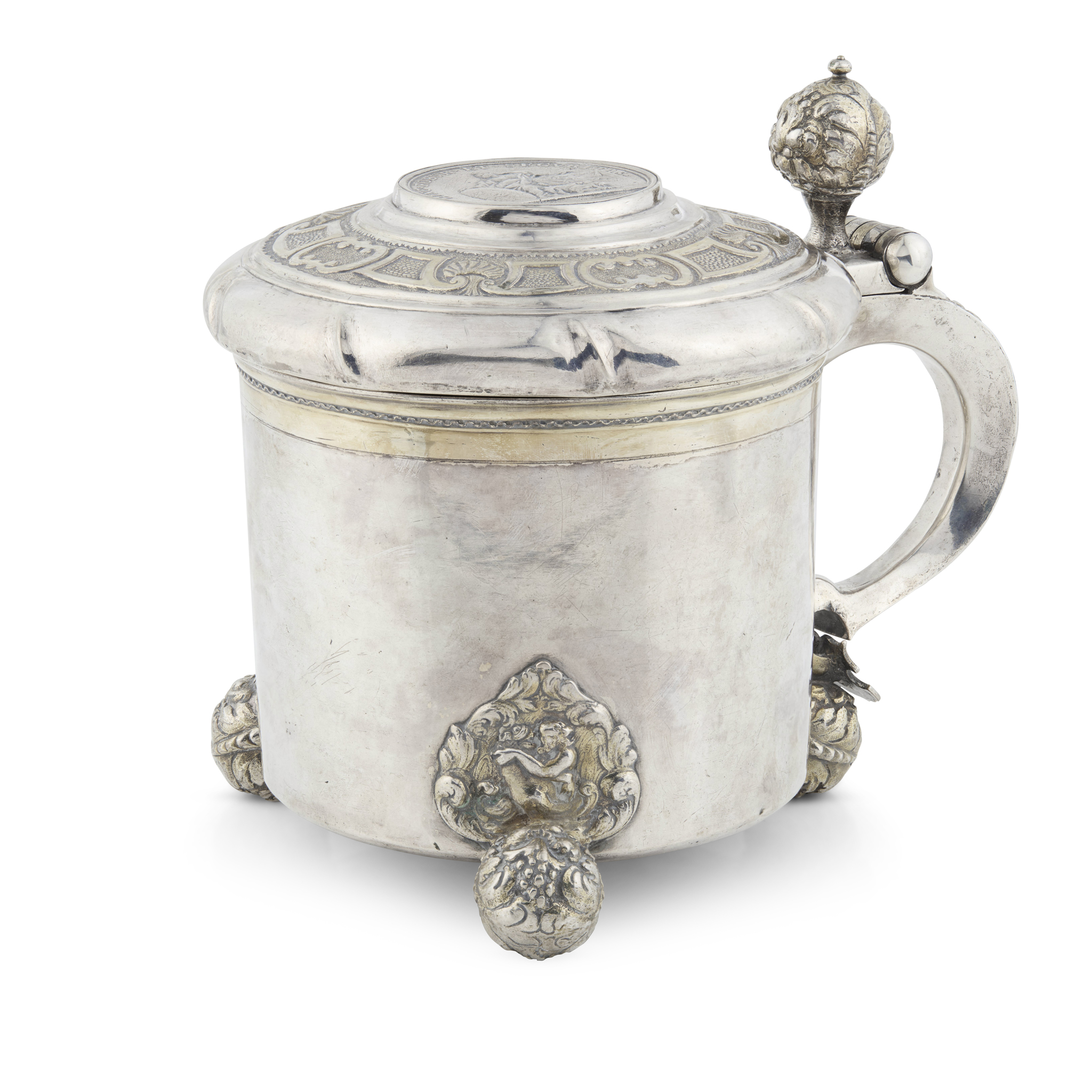
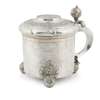
AN EARLY 18TH CENTURY SWEDISH PARCEL-GILT TANKARD
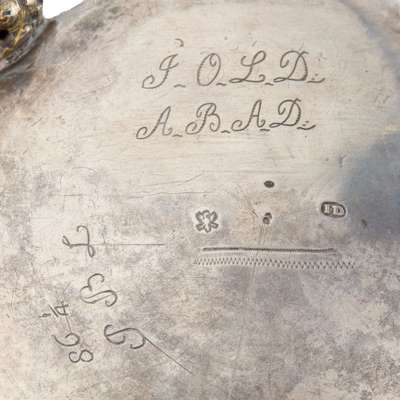
JOHAN DRAGMAN, ARBOGA
Auction: 22 September 2026 from 10:00 BST
Description
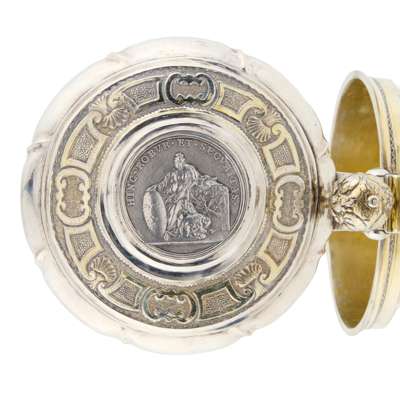
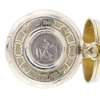
Of squat cylindrical form, the hinged lid with Swedish coin inset, gilt border, foliate ball thumb-piece, to a C-scroll handle with embossed Classical figure, raised on three ball feet
Dimensions
19cm high, 37oz
Footnote
Johan Dragman (Swedish, Arboga, active 1701–1746)
Johan Dragman was one of the leading goldsmiths working in the Swedish provincial town of Arboga, where he was active from 1701 until 1746. His surviving work includes drinking vessels, tankards and ecclesiastical silver, often distinguished by their restrained forms and areas of parcel gilding. A parcel-gilt tankard similar to his one can be found in the collection Victoria and Albert Museum, London (accession number 864-1882)
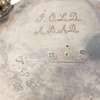
Arboga was an important medieval and early modern trading and manufacturing centre situated on the Arbogaån, linking the interior of Sweden with Lake Mälaren and the wider Baltic trading network. Its guild of goldsmiths was established by the 16th century and, from 1683, meetings of the goldsmiths' guild were held exclusively in Arboga. The town possessed its own distinctive assay mark, an eagle, and by the early 18th century supported a notable group of provincial silversmiths, among them Dragman.
The Grand Tour, traditionally taking in France, Germany and Italy, was severely disrupted by the Napoleonic Wars, making travel through continental Europe difficult and, during periods of conflict, impossible. British travellers and collectors consequently looked increasingly towards northern Europe, including Denmark and Sweden, for objects of artistic, historical and antiquarian interest. Scandinavian silver, relatively unfamiliar in Britain but often of exceptional quality, offered a distinctive alternative to the more established centres of continental Europe.
This tankard therefore represents more than the work of a skilled provincial Swedish goldsmith: it is part of the wider movement by which British collectors of the late 18th and early 19th centuries came to discover and appreciate the artistic traditions of Scandinavia.