

Lot 319
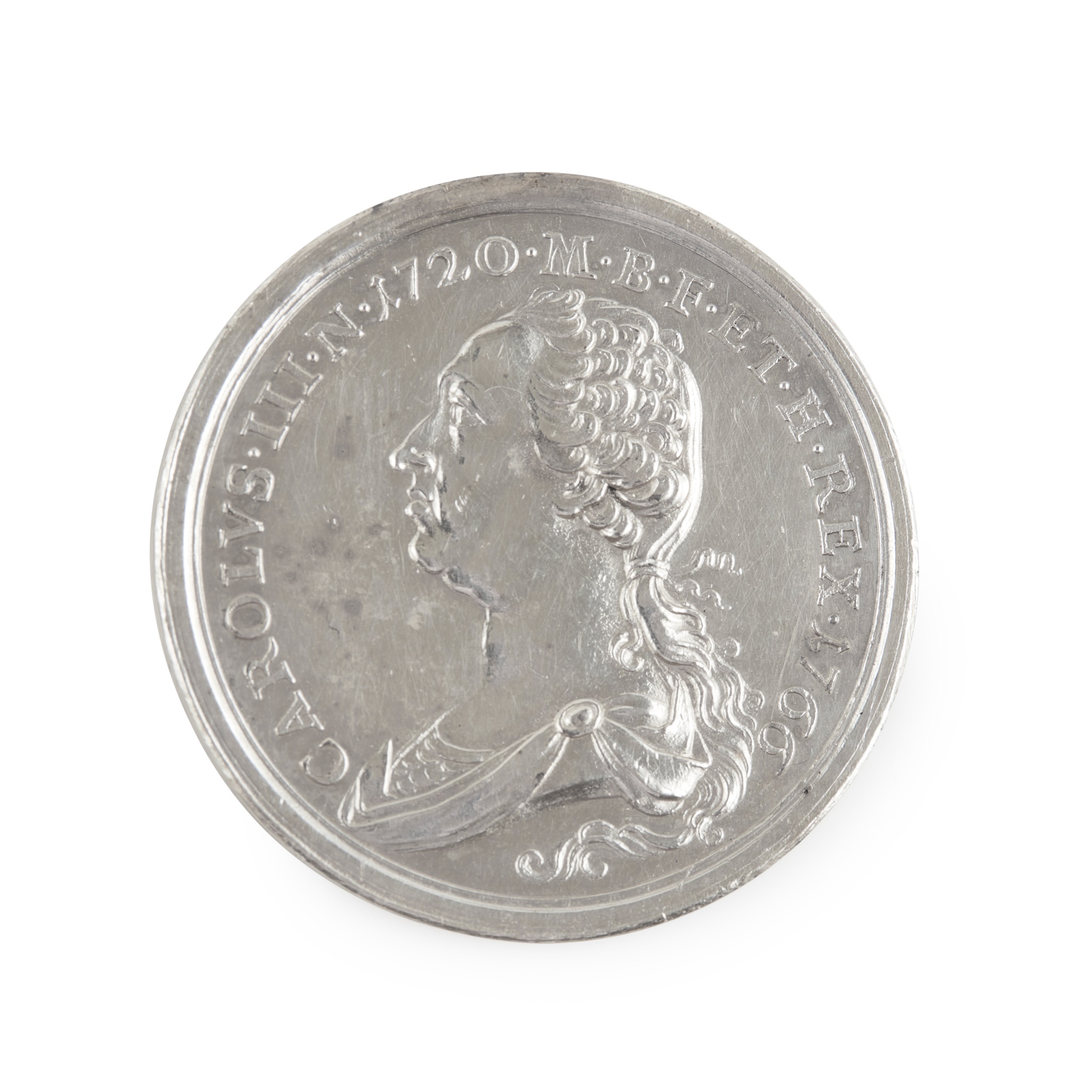
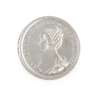
A SILVER MARRIAGE OF CHARLES III MEDALLION
FERDINANDO HAMERANI (1730 – 1789), STRUCK 1772
Scottish Works of Art & Whisky
Auction: 16 August 2023 at 11:00 BST
Description
obverse bust of Charles III facing left with moot CAROLVS.III.N.1720.M.B.F.ET.H.REX.1766, reverse bust of Louise of Stolberg facing left with motto LVDOVICA.M.B.F.ET.H.REGINA.1772
Dimensions
32mm diameter, 13.5g
Provenance
Provenance:
Property of a Gentleman – Previously from the collection of Sir Colin MacRae (1869-1952) of Feorlinn and Lady Margaret Crichton Stuart (1875-1964)
Footnote
References:
‘The Medallic Record of the Jacobite Movement’, N Woolf, item 71:1
‘British Commemorative Medals, and their values’, C Eimer, item 743
Note:
The marriage of Charles Edward – now self-titled Charles III after his father's death in 1766 – was an important moment in the Jacobite cause. A marriage would surely mean an heir to keep the now ageing cause alive.
Princess Louise of Stolberg was chosen from the minor courts of Europe. She was nineteen when they married and Charles, now 50, was keen to have a Queen even if only in exile. A proxy marriage took place in Paris on 28th March 1772. Louise’s mother insisted on the greatest secrecy as the Empress Maria Theresa who they were under the care and pension of, was considered easily swayed by the Hanoverian King George.
It was not until 17th April that the bride and groom would meet in person. They immediately headed to Rome to meet Charles' brother where a state entry to the city had been arranged and he would give Louise a fine gold and diamond snuff box with his portrait and 40,000 crowns.
The production of these medallions is accounted for on the day Charles and Louise met and Hamerani is recorded supplying 214 silver medals. By 1774 he is commissioned to produce 3030 further in silver and 212 in copper. This shows the popularity of the medal and therefore by association the popularity the Jacobite cause still had.
Ferdinando Hamerani was an obvious choice for Charles to commission these medallions from as his hand is seen producing the Charles III touch pieces produced earlier in Charles ‘reign’ as King.