

Lot 98
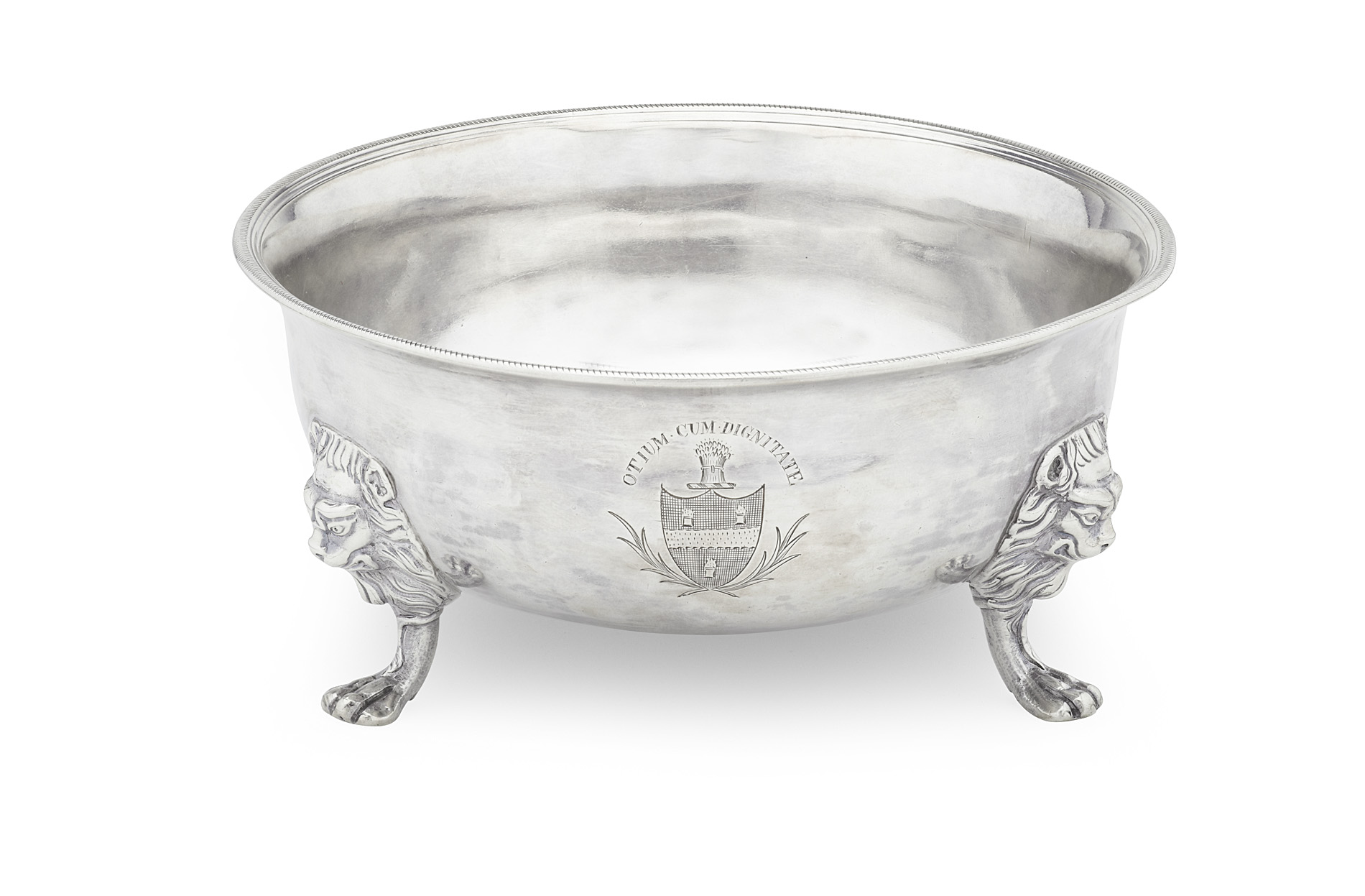
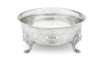
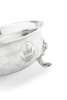
An important George I footed slop / sugar bowl
Auction: 16 August 2011 at 12:00 BST
Description
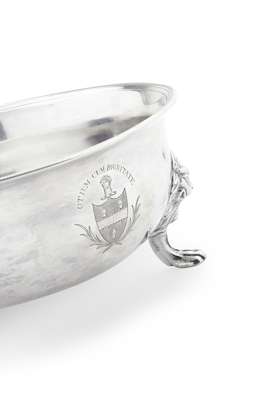
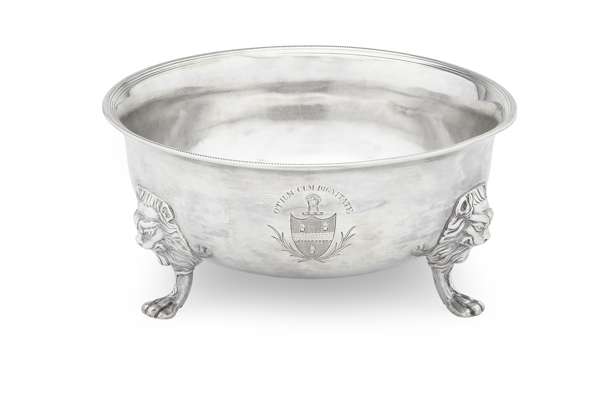
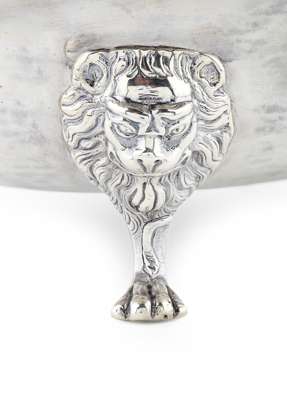
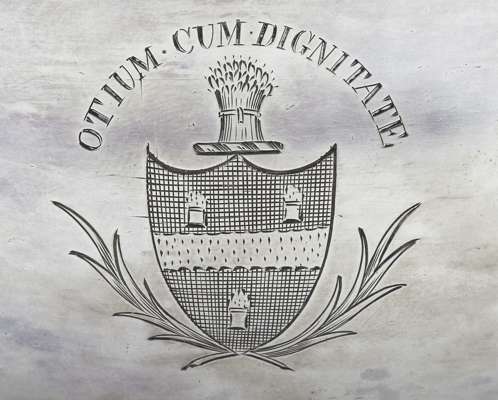
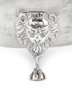
James Kerr, Edinburgh 1726, Assay Master Edward Penman, of slight baluster hemispherical form with everted semi spiralled reeded rim, the body with engraved crest and armorial, raised on three finely cast lion masked paw feet, the underside with scratch weight '11=12'
Dimensions
14cm diameter, 11.5oz
Footnote
Heraldry: With crest and motto of OTIUM CUM DIGNITATE Leisure with dignity for KELSO of Kelsoland, Ayrshire.
Note: This bowl is currently the earliest recorded Scottish three footed slop / sugar bowl and must be considered a fore runner of what would later become a widely used standard pattern. While this style of bowl with lion mask terminals and paw feet is often considered to be of typically Irish design this example seems to pre date the earliest known Irish examples by 10 years or more. The pattern becomes a standard of design in Dublin from around 1735 and is seen throughout the Irish production (with regional variations) right up to modern manufacture.
It is interesting to note the wide range of makers who also use the lion mask with paw feet motif and indeed the tail trailing around the leg, perhaps most notably Paul De Lamerie.
While the original designer has not been traced, this does seem to suggest that this pattern of foot has been taken from an earlier design.
The next recorded example of a Scottish three footed bowl (by James Tait of Edinburgh 1734 - 1735, ex Phoenix Collection Lyon & Turnbull 16th August 2010 lot 294) is of much more standard footed design with the feet and legs mirroring that of the cream / sauce boats of the period, which makes this piece stand out as a far more unusual survival of design.
The exact use of this bowl is still open to some debate, with both slop or sugar being possible. The large size when compared to cream boats and other sugar bowls of the period does seem to suggest it may in fact be for slops. This, considered with the cost of sugar at the period, does seem to suggest a leaning towards slop rather than previously ascribed for sugar.
Provenance:
The Phoenix Collection
Shrubsole New York
Christies East New York, 5th October 1996 lot 354
Art Institute of Chicago (de accessioned)
References:
'Compendium of Scottish Silver II' R & J Dietert, illustrated plate 3, listed page 520