

Lot 135
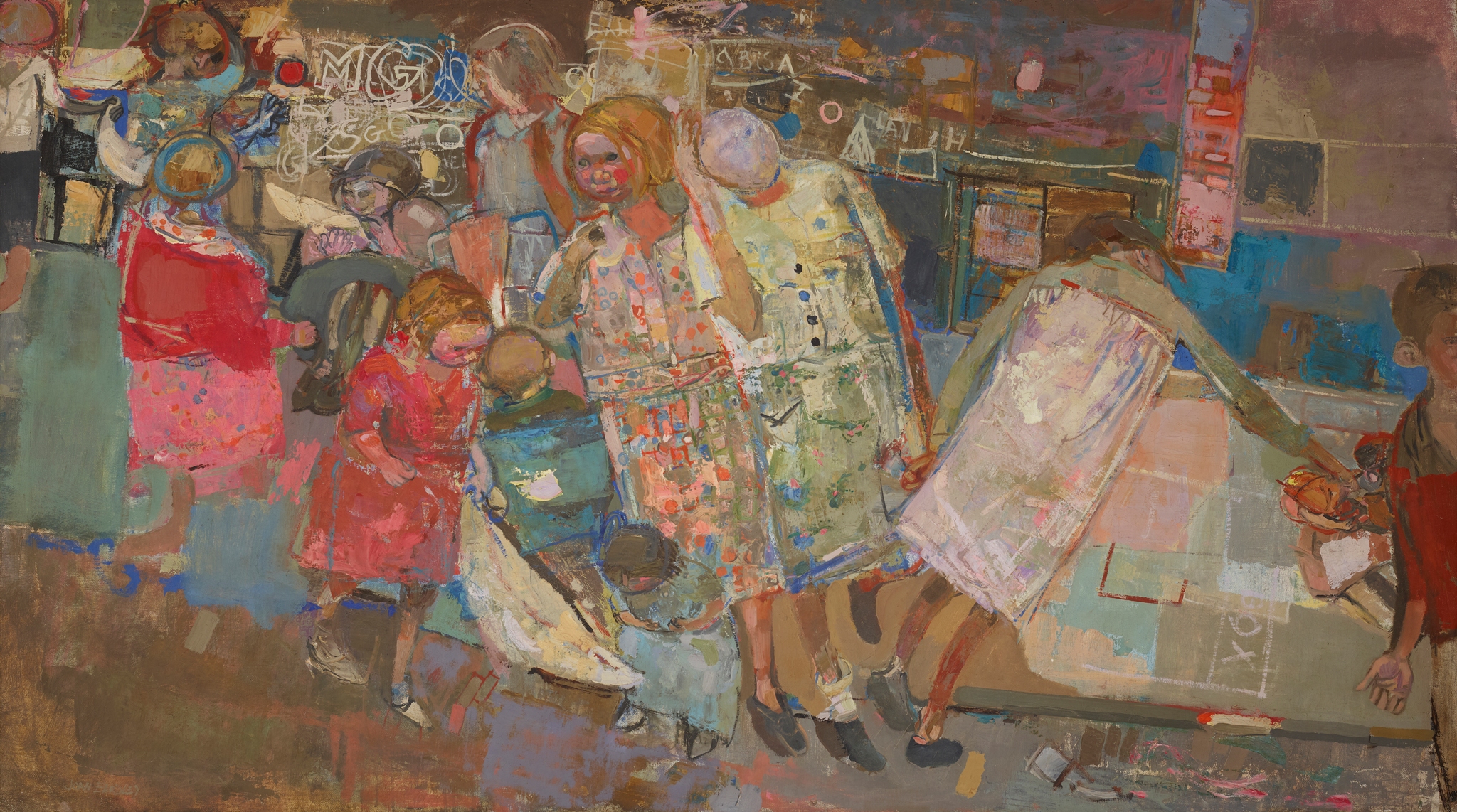
JOAN EARDLEY R.S.A. (SCOTTISH 1921-1963) §
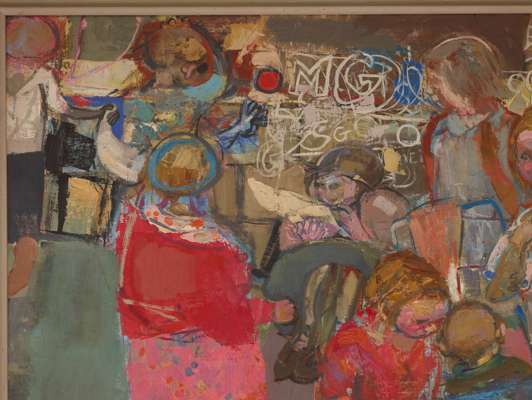
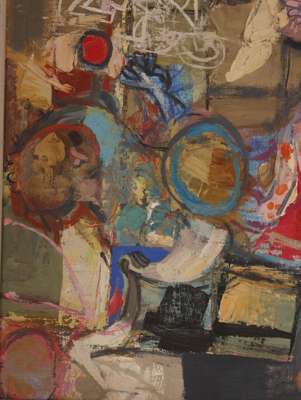
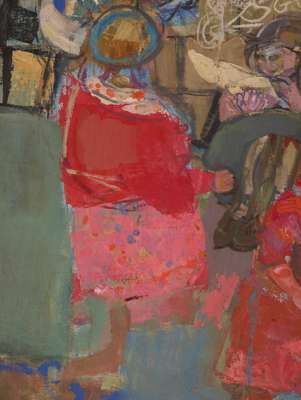
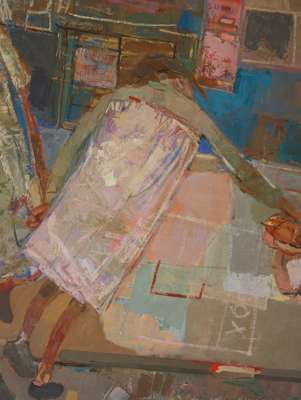
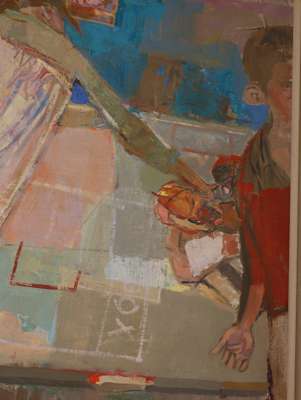
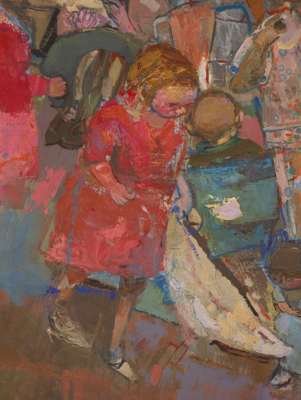
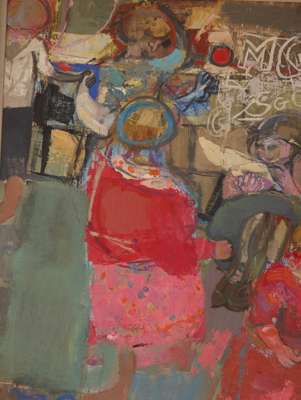
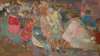
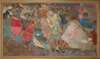
GLASGOW BACK STREET WITH CHILDREN PLAYING
Scottish Paintings & Sculpture
Auction: Evening Sale ft. A Century of Scottish Colourists Part II | Lots 90 to 169 | Thursday 03 December 2026 from 6pm
Description
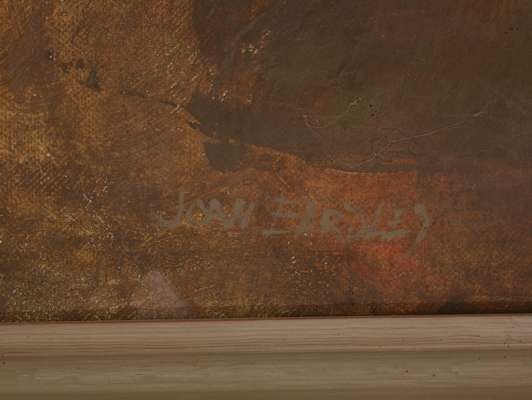
Signed lower left, oil on canvas
Dimensions
99.5cm x 177cm (39.25in x 69.75in)
Provenance
The Artist's Estate
Purchased from the 1964 Memorial Exhibition by the mother of the present owner
Exhibited:
Possibly Royal Scottish Academy, Edinburgh, Annual Exhibition, 1957 ('Back street, wtih children playing' (1), no.330 or ‘Back street, wtih children playing’ (2), no.339)
The Art Gallery and Museum, Kelvingrove, Glasgow, Joan Eardley RSA (1921-1963): A Memorial Exhibition, 25 January – 22 February 1964 and tour to The Diploma Galleries of the Royal Scottish Academy, Edinburgh, 29 February - 14 March 1964, no. 42 (lent by the Artist's mother)
National Galleries of Scotland at the Royal Scottish Academy Building, Edinburgh, Joan Eardley, 6 November 2007 – 13 January 2008, no.44 (dated 1960, repr.col. unpaginated)
Literature:
Christopher Andreae, Joan Eardley, Lund Humphries, Farnham, 2013, p.115, pl..104, repr.col. (dated c.1958-60)
Footnote
Glasgow Back Street with Children Playing of 1960 is, arguably, the most significant work by Joan Eardley ever to be presented at auction. It has only been seen in public once since it was acquired by the owner’s mother in 1964.
Eardley was born in Sussex, but moved to Glasgow in late 1939, when she was eighteen-years old. She trained at Glasgow School of Art and Hospitalfield College of Art, Arbroath in the 1940s and is now considered one of Scotland’s most important artists of the twentieth century. This reputation is based on her portrayal of the Townhead district of Glasgow – in particular of its children – and of Catterline, a fishing village on the Scottish north-east coast.
On her return from travelling in France and Italy, thanks to scholarships from the Royal Scottish Academy and Glasgow School of Art, Eardley took on a studio at 21 Cochrane Street near Glasgow’s City Chambers. Three years later, she moved to a former photographer’s studio at 204 St James Road in the Townhead district of the city centre, which she was to maintain until her premature death in 1963.
The area, of mixed residential and light industrial use, was overcrowded and dilapidated. However, Eardley was drawn to its vibrancy and closeknit community. In the early 1960s she explained in an interview:
The community feeling is rapidly disappearing in Glasgow … I do feel that there is still a little bit left. I try still to paint Glasgow as long as there is this family group quality. I’ve known about half a dozen families well I suppose during the period of time I’ve worked in Glasgow … some children I don’t like … most of them I get on with … some interest me much more as characters … I watch them moving about and do the best I can … They just let out all their life and energy … and I just watch them and I do try and think about them in painterly terms … all the bits of red and bits of colour and they wear each other’s clothes … they are Glasgow – this richness that Glasgow has – I hope it will always have – a living thing, intense quality – you can’t ever know what you are going to do but as long as Glasgow has this I’ll always want to paint. (quoted in Fiona Peason, Joan Eardley, Edinburgh, 2007, p.31).
Eardley became a familiar sight in the Townhead area, taking multiple photographs and making numerous sketches which she worked up into paintings in her studio. She established a happy rapport with the local children, whom she depicted in an unsentimental yet affectionate way.
The critic Cordelia Oliver, who studied with Eardley at Glasgow School of Art, explained:
The vicinity of her east-end studio supplied her with the richest vein of subject matter that any painter – any painter, this is to say, who could tackle it – could have wished for, in the amazingly colourful street life of urchins and loafers and bookies and the contrast between the sombre, sooty grey stone (albeit ‘frescoed’ as one critic said ‘with chalk scrawlings’) the brave bedraggled paint of shop fronts and the glint of sun on window. But, above all, her subject was the working-class Glasgow child whom she made live as no one before her. The artist herself, gentle by nature … was taken for granted by the shy, dour, giggling, hopping, skipping, baby-minding and comic-reading raggle-taggle hordes she constantly drew … It was this that made her able to light the spark that always flies between painter and sitter in the making of a fine portrait. (Cordelia Oliver, ‘Introduction’, Joan Eardley RSA (1921-1963): A Memorial Exhibition, Glasgow, 1964, p.2)
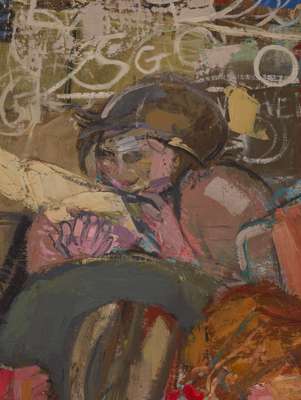
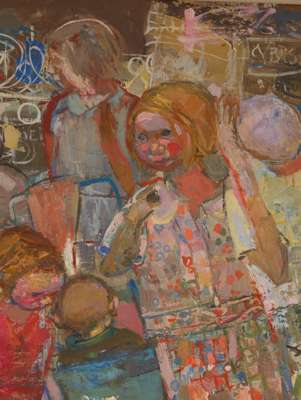
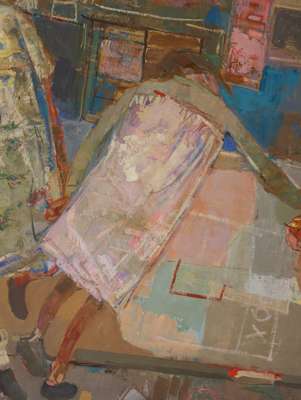
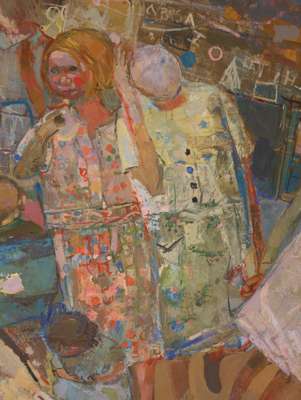
Glasgow Back Street with Children Playing is a triumphant realisation of Eardley’s deep connection with the neighbourhood, its vibrant community of young residents and their life upon its streets. Painted on a monumental scale (99.5 x 177 cm / 39 ¼ x 69 ¾") and in a horizontal format to reflect that of the scene depicted, it is the result of nigh on a decade of careful study and observation and often daily interaction with her subjects.
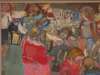
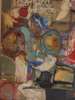
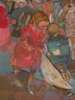
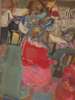
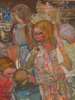
The painting reads like a twentieth-century version of an Italian Renaissance fresco, such as those Eardley saw on her travels. A rich and bustling street scene plays out before the viewer’s eyes, as children of various ages engage in games, squabbles and other activities and intrigues. Some draw with chalk on the walls of the surrounding buildings, having marked out hopscotch on the pavement, others observe their peers or are absorbed in reading, older siblings watch over younger ones and the cropped composition signals their world extending beyond the confines of the board on which the work is painted. The colour of the children’s clothes blends with that of their urban surroundings, whilst Eardley’s technique varies from layering to picking out pattern, from suggesting to defining form. The result is an image full of youthful exuberance and thoughtfulness, which transports the viewer to their own childhood.
Glasgow Back Street with Children Playing is also an important history painting, as it captures a part of the city which was to be lost in the wide-scale demolition of the Clyde Valley Regional Plan beginning in the early 1960s. Eardley thus takes up a place after Thomas Annan’s photographs and Muirhead Bone’s etchings of the city which also depicted communities and scenes which no longer exist. Eardley’s biographer, Christopher Andreae, has also argued for her position within David Wilkie’s tradition of crowd scenes, positing:
There are the energetic, crowded, helter-skelter scenes of children playing in the back streets – complex clusters and clutters of children – and these paintings … could justifiably … be categorised as ‘scenes of everyday life’. In this group of images Joan comes close to the Wilkie tradition, to Wilkie’s chaotic but beautifully organised crowd scenes. To her tumbling, mingling groups of children, leaping and leaning, bouncing balls and skipping, playing peevers (or hopscotch) with squares chalked on the pavement, Joan brought something of the sheer energy, elemental rush and out-of-control animation of the sea at Catterline … merry mayhem. (Christopher Andreae, Joan Eardley, Farnham, 2013, pp.102-103)
Glasgow Back Street with Children Playing was acquired by the current owner’s mother for £350 from the touring memorial exhibition of Eardley’s work which began at Kelvingrove Art Gallery and Museum in Glasgow in 1964. The owner’s father was Eardley’s Godfather and the two families were close. The painting has been exhibited in public once since then, when it was included in the National Galleries of Scotland’s Eardley exhibition of 2007 to 2008, staged at the Royal Scottish Academy Building in Edinburgh. Paintings by Eardley are held in at least 36 public collections in the UK.
