

Lot 114
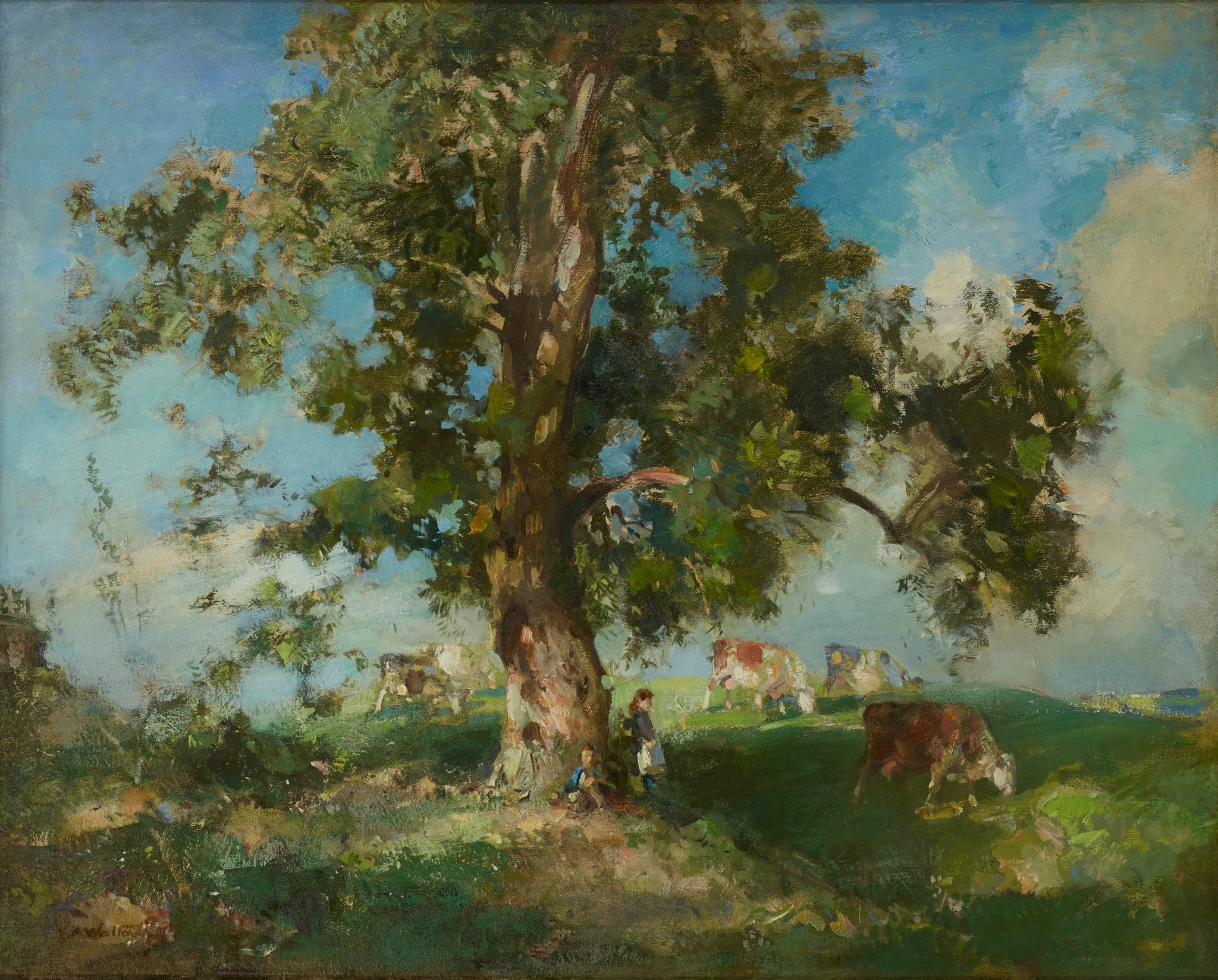
EDWARD ARTHUR WALTON R.S.A., P.R.S.W., H.R.W.S. (SCOTTISH 1860-1922)
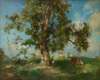
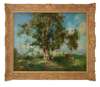
THE OLD ASH TREE
Scottish Paintings & Sculpture
Auction: Evening Sale ft. A Century of Scottish Colourists Part II | Lots 90 to 169 | Thursday 03 December 2026 from 6pm
Description
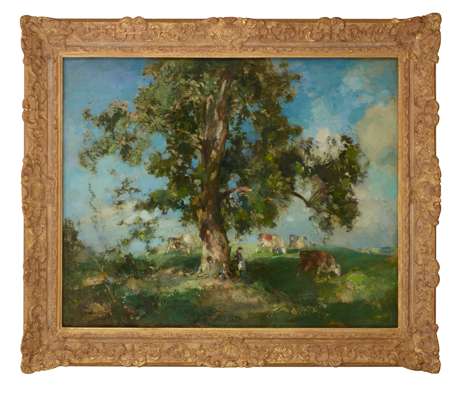
Signed, oil on canvas
Dimensions
81cm x 101.5cm (32in x 40in)
Provenance
La Société des Beaux Arts, Glasgow
Accquired from the above by James Howden Hume, Glasgow
Duncan R. Miller Fine Arts, London
Exhibited:
Royal Scottish Academy, Edinburgh, Annual Exhibition, 1915, no. 202 (lent by James Howden Hume)
Footnote
Edward Arthur Walton (1860–1922) was a key member of the Glasgow Boys, a group of artists who sought a new approach to landscape painting in Scotland. Having studied at the Glasgow School of Art and the Kunstakademie in Düsseldorf, Walton developed a particular interest in the landscape genre, often incorporating figures and animals into rural settings. His landscapes show a careful observation of the natural world, with particular attention to colour and the changing qualities of light outdoors. Although he became increasingly recognised as a portrait painter, landscape remained an important part of his practice throughout his career.
The Old Ash Tree is centred on a large, mature tree, providing a focal point for the surrounding pasture. Cattle graze across the field, whilst two children are gathered beneath its canopy. The children are loosely suggested, their forms emerging from the brushwork rather than being clearly defined. Walton's handling of the foliage is particularly expressive, with loose, broken brushstrokes giving the impression of leaves caught in the breeze. Towards the left, some appear almost detached from the main canopy, while scattered brown leaves, particularly towards the top of the tree, provide a contrast to the dense green foliage. His treatment of the cattle is equally interesting, with blues and greens worked into their bodies, picking up the colours of the surrounding pasture but retaining a clear sense of their form. These details contribute to the painting's relaxed, naturalistic character, with a sense of movement running throughout the composition.