Lot 141
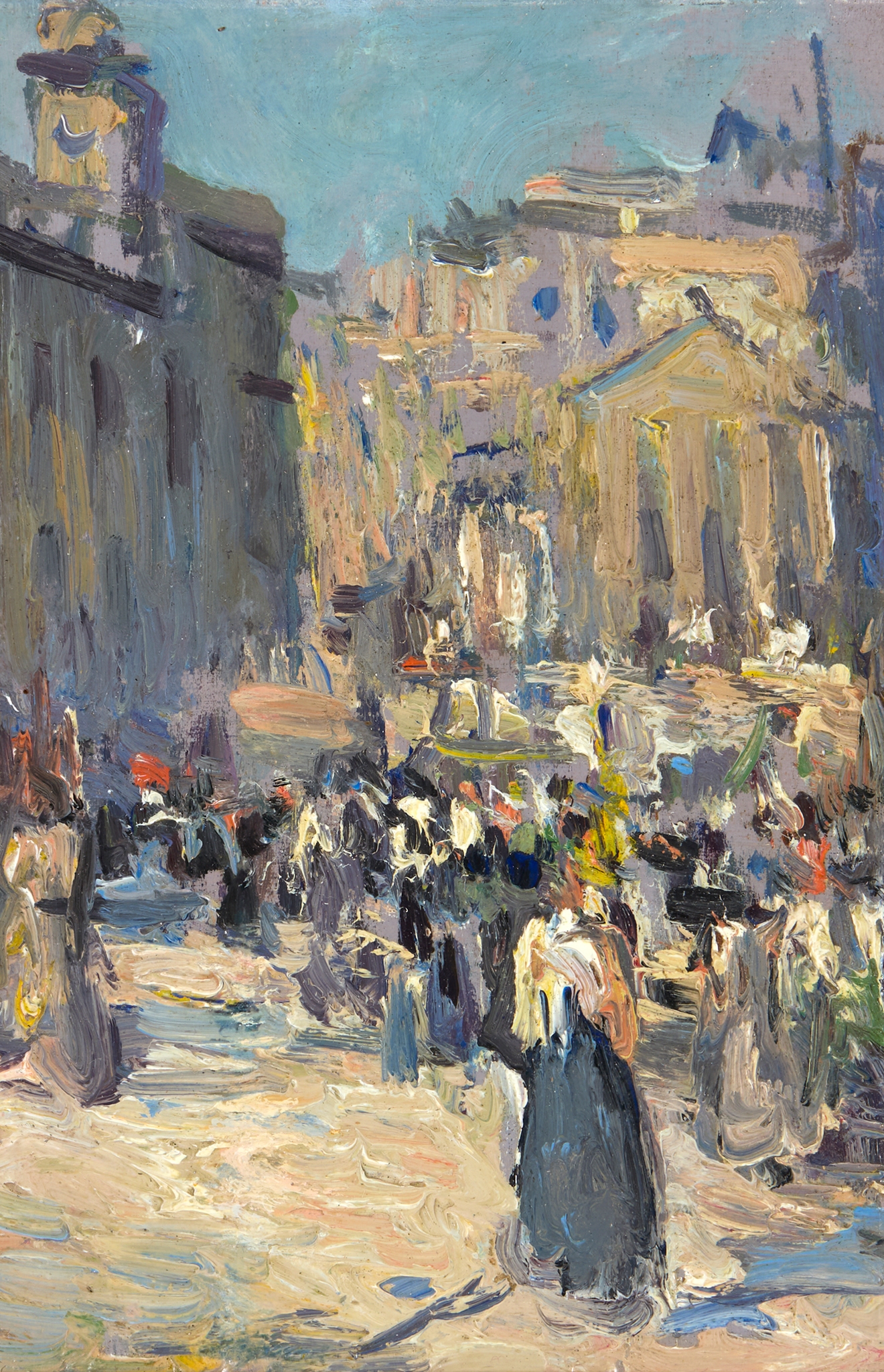
JOHN DUNCAN FERGUSSON R.B.A. (SCOTTISH 1874-1961) §
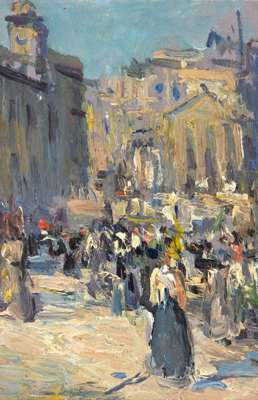
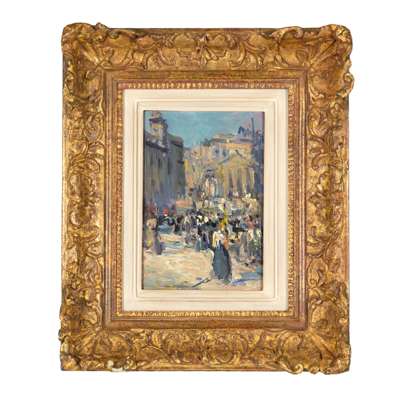
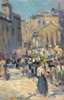
BUSY DAY, PRINCES STREET
Scottish Paintings & Sculpture
Auction: Evening Sale ft. A Century of Scottish Colourists | Lots 88 to 168 | Thursday 04 June 2026 from 6pm
Description
Oil on panel
Dimensions
23cm x 15cm (9in x 6in)
Provenance
Private Collection, New Zealand
Bourne Fine Art, Edinburgh
Professors Sir Kenneth and Lady Noreen Murray
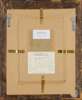
Sold by the Executors of the above to benefit The Darwin Trust of Edinburgh, Bonhams Edinburgh, The Scottish Sale, 15 April 2014, lot 9 (as ‘A Busy Day, Princes Street, Edinburgh’)
Exhibited:
Bourne Fine Art, Edinburgh, Scottish Impressionism and Post-Impressionism: McTaggart to Fergusson, 1988, no.32
Footnote
Busy Day, Princes Street is an exceptional example of the intimate scenes that the Scottish Colourist John Duncan Fergusson painted of Edinburgh’s main thoroughfare in the early 1900s.
Born in Leith, near Edinburgh, Fergusson rejected the conservative training available at the Trustees’ Academy in the Scottish capital and was essentially self-taught apart from sporadic attendances at the Académies Colarossi and Julian in Paris. Fergusson exhibited his work for the first time in 1897, in the Royal Scottish Academy’s Annual Exhibition and by 1902 was established in his first studio, at 16 Picardy Place. It is a short walk from the scene depicted in the present painting, of the east end of Princes Street.
As Alice Strang has explained: ‘During this period he was a familiar figure in Princes Street Gardens where he painted swiftly and spontaneously in the French plein-air manner, on small panels.’ (Alice Strang et al, J. D. Fergusson, National Galleries of Scotland, Edinburgh, 2013, p.15) This work, on a panel measuring 9 by 6 inches, is unusually large and ambitious compared to Fergusson’s more usual supports of the time of 5 by 4 inches. A cigar box that he converted to a portable paint box, with cut down brushes and the lid doubling as his palette, could fit into his coat pocket. This gave him the freedom to work outdoors and to record scenes as and when they caught his eye.
In this instance, the bustle of city life is captured at the junction of Princes Street, Waterloo Place and Leith Street. The scene is recognisable today, with General Register House on the left, which is the repository for the National Records of Scotland, whilst the distinctive façade of 1 Waterloo Place, designed by Archibald Elliot and built in 1819, is on the right. Fergusson’s dashing, thickly-laden brushstrokes convey the energy of an elegant capital city and its citizens. Examples of his Princes Street paintings are held in the collections of the National Galleries of Scotland and Culture Perth and Kinross.
[colourists]