

Lot 125
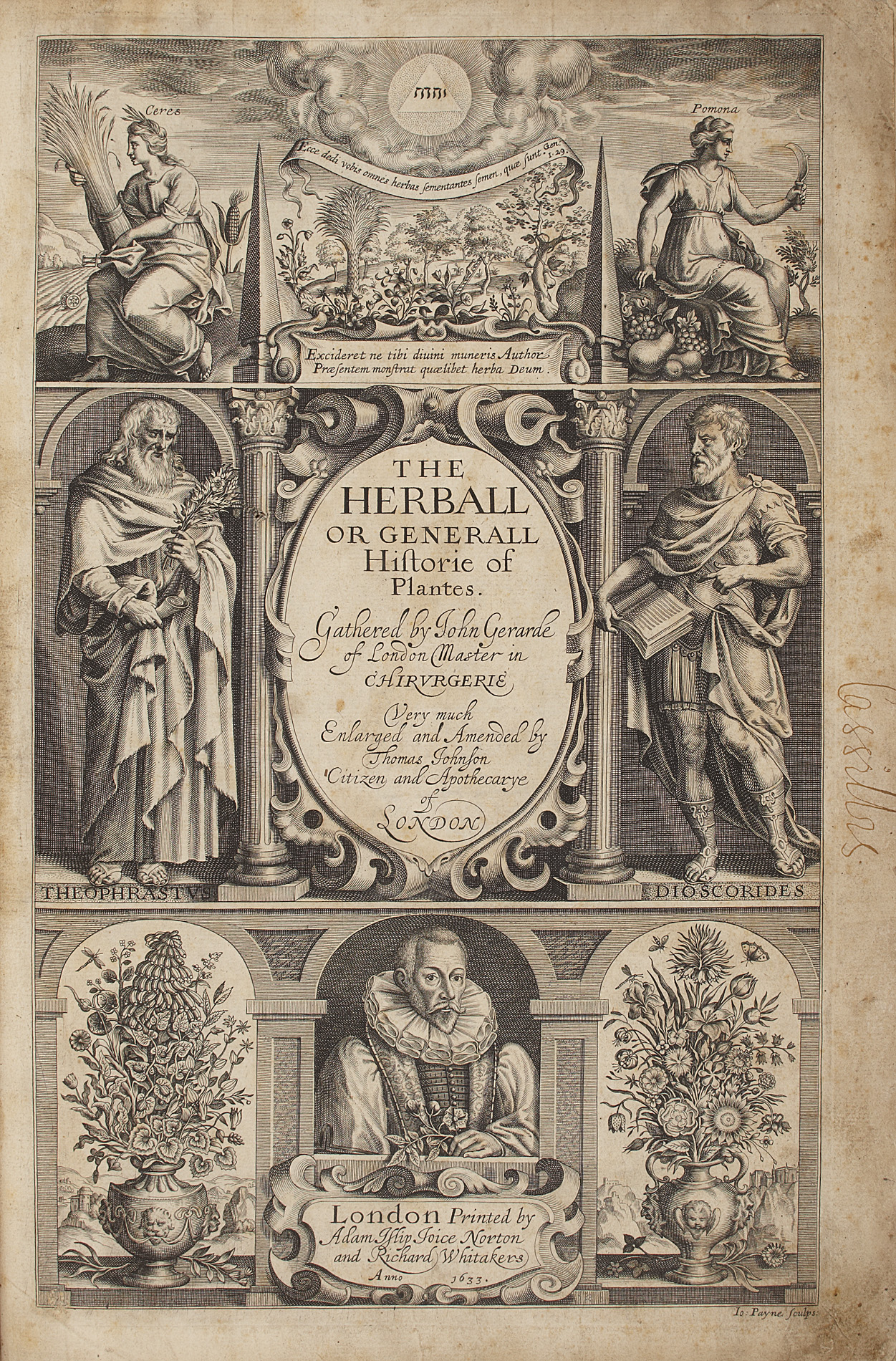
Gerard, John - THE PLANT SPECIMEN IS NOT INTACT
Rare Books, Maps & Manuscripts
Auction: Rare Books, Maps & Manuscripts
Description
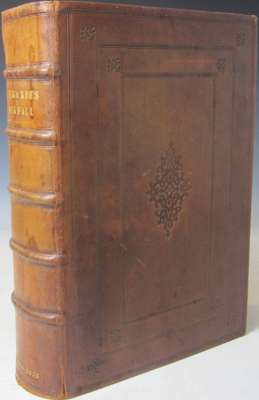
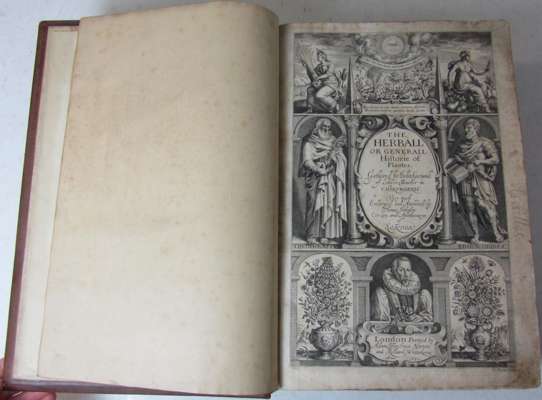
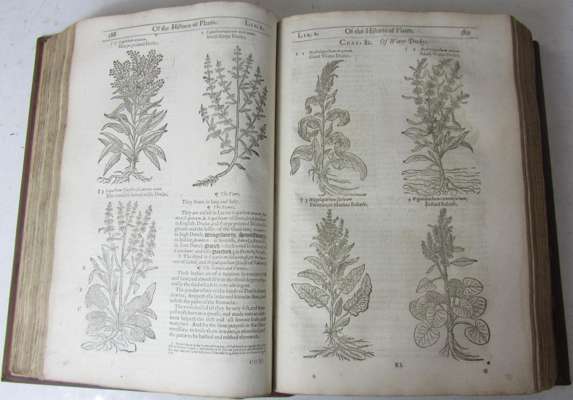
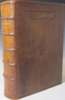
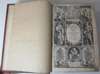
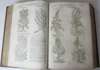
The herball or generall historie of plantes. London: Hip, Norton and Whitakers, 1633. Second edition, folio, woodcuts, bookplate of Horace Somerville Sewell, later embossed and panelled calf, spine gilt, a couple of closed repairs to pages 39, 915 and 916 with text and engravings slightly impaired, repairs to lower corners of page 1563 to end with loss of a few letters/words of index pages, final 8 leaves lacking, a little spotting, some dust-soiling and slight chipping to some page-edges, spine a little faded, slight wear to hinges [ESTC S122165; STC 11751]
Footnote
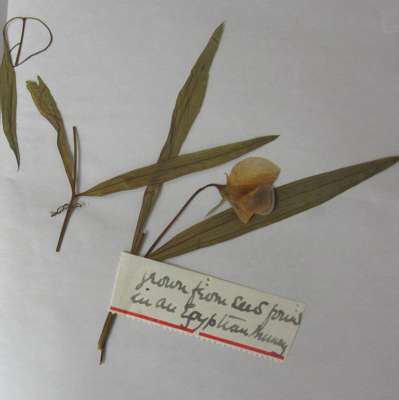
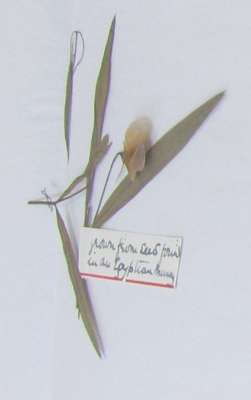
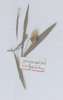
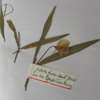
Note: Many botanical works are found to have been used for pressing flowers and botanical specimens. This copy of Gerard's Herball is one such example, containing a lathyrus specimen labelled, Grown from a seed found inside an Egyptian mummy. Although it is unlikely that this is the case, the specimen does reflect the 19th and 20th century fashion for 'mummy peas'. Unsuspecting tourists would purchase peas and seeds which were allegedly found inside an Egyptian mummy and grow plants from these. In an 1885 edition of the Gardener's Monthly and Horticulturalist , Thomas Meeham wrote:
The modern Egyptian is nearly as good as Ah Sin, when playing the game of " Fleece your brethren." Employ one to get you some mummy peas at a big figure, and he will get you the mummy and carefully unwrap its rags, when lo! and behold ! you may see the peas roll out before your eyes ! The delighted Yankee or Britisher smilingly carries home his prize and plants them. It is nothing to him that it is but the modern purple flowered bush pea, seeds of which he could get anywhere for a few pennies. These came from an " old mummy, you know".