Lot 94
NICK BRANDT (BRITISH 1964-)
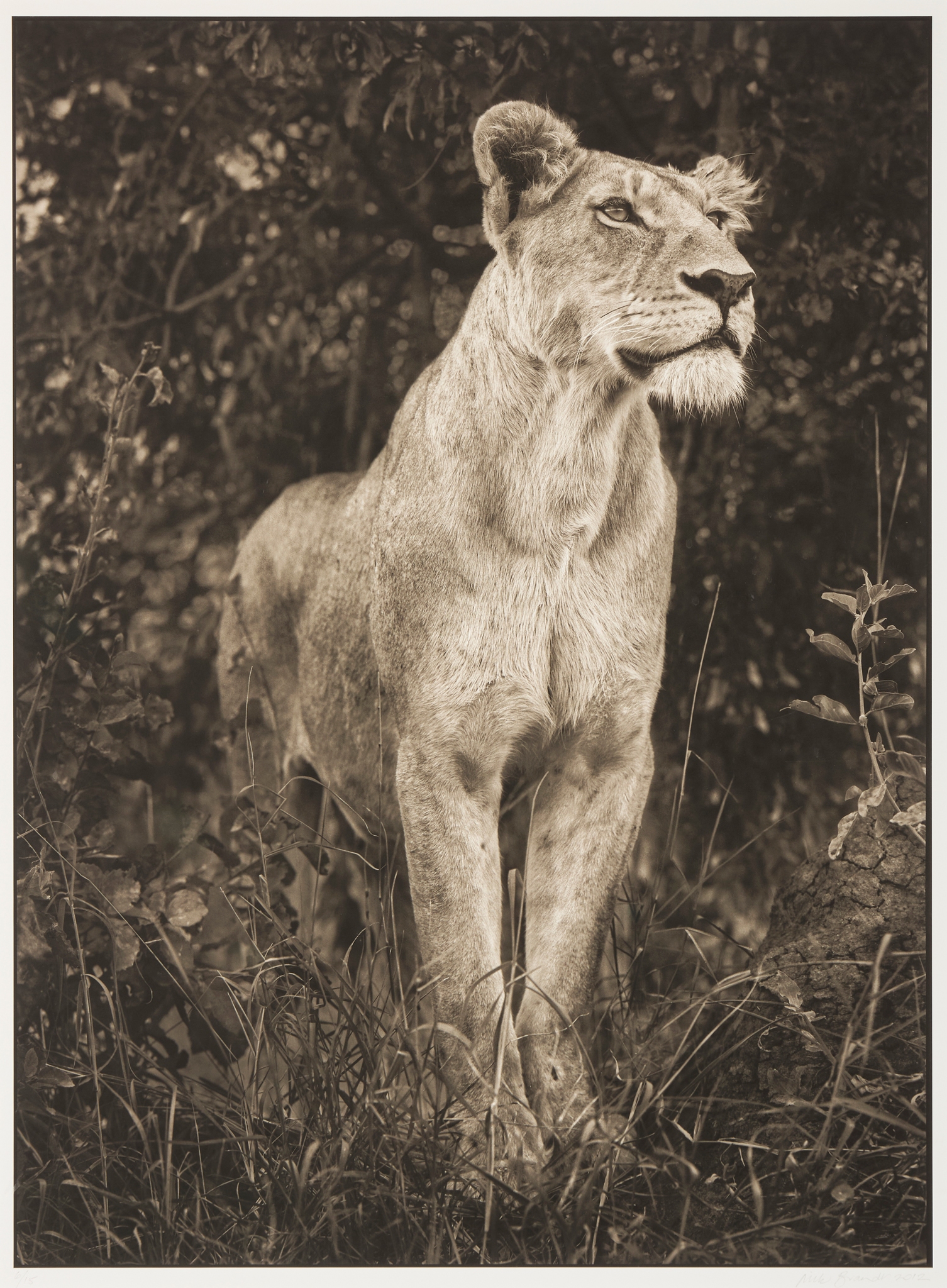
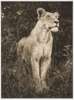
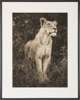
LIONESS AGAINST DARK FOLIAGE, SERENGETI


Auction: 13 October 2026 from 13:00 BST
Description
archival pigment print, 2012, from Across The Ravaged Land, signed in pencil, dated, numbered 6/15, on wove paper, framed
Dimensions
image: 75.5cm x 55.5cm (29 3/4in x 21 7/8in)
Provenance
Atlas Gallery, London, where acquired by the present owner in 2016.
Footnote
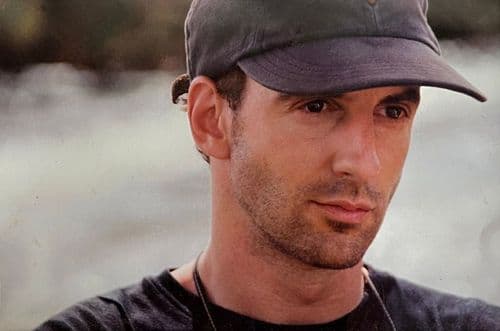
Nick Brandt (b. 1964) is a British photographer whose work explores the increasingly fragile relationship between humanity and the natural world. He studied painting and later film at Central Saint Martins in London, a creative foundation that has profoundly influenced the painterly compositions and cinematic quality of his photographic practice. Addressing urgent themes of environmental degradation, habitat loss and climate change, Brandt creates images of striking beauty and emotional intensity. Central to his work is a sustained concern with the interconnected fate of people, animals and the environments they inhabit, revealing their shared vulnerability in the face of a rapidly changing world.
Brandt first came to international prominence through his celebrated East African trilogy, On This Earth, A Shadow Falls and Across the Ravaged Land, (2001-2012). Photographing wild animals with a formality and intimacy traditionally associated with human portraiture, Brandt created striking images of the region’s wildlife and landscapes. His carefully composed photographs possess an almost elegiac quality, documenting the beauty of ecosystems and species increasingly threatened by human activity.
Lot 94, Lioness Against Dark Foliage, Serengeti, is from Across the Ravaged Land. The standing lioness encapsulates the remarkable intimacy of Brandt’s approach. Photographed at close range and from a relatively low viewpoint, she dominates the composition, her body rising almost monumentally through the vertical frame. Rather than capturing the animal in movement or presenting a dramatic moment of predation, Brandt depicts her in a state of quiet attentiveness. Her gaze is directed beyond the frame, giving the image a contemplative quality, while the extraordinary detail of her fur and facial features emphasises her individuality. Set against the dense darkness of the surrounding vegetation, the lioness is picked out by soft light, creating a tonal contrast that gives her an almost sculptural presence. The resulting photograph operates less as conventional wildlife photography than as a formal portrait, encouraging the viewer to encounter the animal as an individual subject rather than simply as a representative of her species.
Environmental destruction became still more explicit in Brandt’s later projects. For Inherit the Dust (2016), he installed life-size panels depicting animals from his earlier photographs within landscapes transformed by urbanisation and industrial development. The resulting images create a poignant dialogue between past and present, confronting the viewer with the wildlife that once occupied these rapidly changing environments. This exploration continued in This Empty World (2019), in which elaborate sets constructed in Kenya brought people and animals together within landscapes increasingly dominated by roads, buildings and other signs of human encroachment.
In 2020, Brandt embarked upon The Day May Break, an ongoing international series examining the human and environmental consequences of climate change. The first two chapters, photographed in Kenya, Zimbabwe and Bolivia, depict people affected by environmental upheaval alongside animals, many of which had been rescued and could no longer survive independently in the wild. Photographed amid atmospheric haze and mist, the subjects appear united within the same uncertain landscape, emphasising the interconnectedness of their circumstances.
Subsequent chapters have broadened the geographical and human scope of the project. SINK / RISE (2023) addresses the threat of rising sea levels through portraits of people from vulnerable communities in Fiji, photographed partially submerged beneath the water. The Echo of Our Voices (2024) turns to displaced Syrian families living in Jordan, exploring lives shaped by the intersecting pressures of conflict, displacement and a changing climate.
Brandt’s photographs have been exhibited extensively in museums and galleries internationally, including presentations in London, New York, Paris, Berlin, Los Angeles, Stockholm, Oslo and Shanghai. Each of his major photographic series have been accompanied by a publication, reinforcing a body of work that combines striking visual imagery with an urgent and sustained engagement with some of the defining environmental issues of the contemporary world.