Lot 190
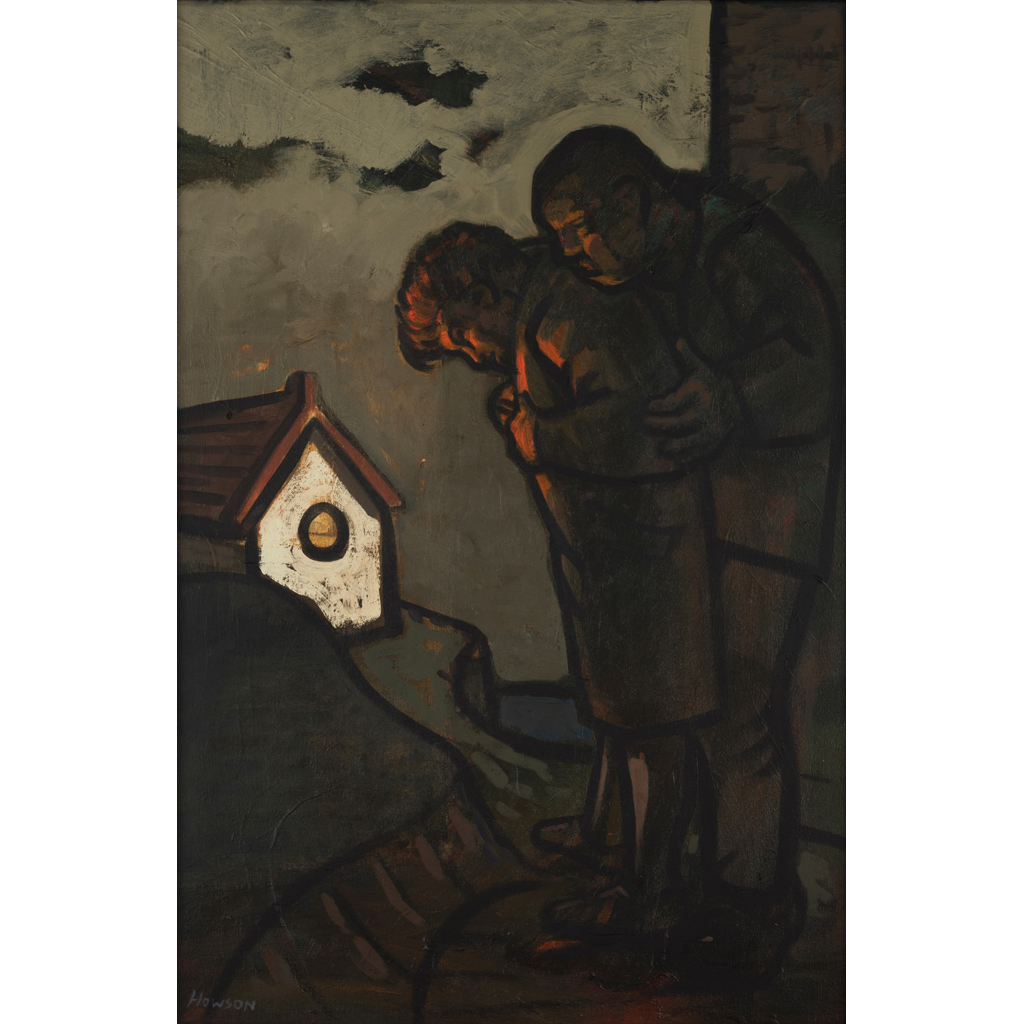
PETER HOWSON O.B.E. (SCOTTISH B.1958) §
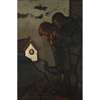
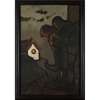
TENDER TOUCH, 1989
Modern British and Contemporary Art
Auction: 17 January 2018 at 11:00 GMT
Description
Signed, oil on canvas
Dimensions
75cm x 50cm (29.5in x 19.75in)
Footnote
Provenance: Cyril Gerber Fine Art, Glasgow, purchased by the current owner, 1993
Note: Peter Howson is one of Scotland's most celebrated artists. Howson was born in London in 1958 and moved to Scotland as a young child. He studied at the Glasgow School of Art from 1975-77 and completed his master's degree in 1979. He became a leading member of the New Glasgow Boys, a generation of young Scottish artists that responded to the dominance of abstract, conceptual and pop art. Howson is known for his dramatic insight into the human condition and in particular his distinctive depictions of the male form. He draws inspiration from his turbulent upbringing and his experience recording the conflicts in Bosnia and former Yugoslavia. His work features in several public collections including the Victoria & Albert Museum, Tate, the National Galleries of Scotland and the Museum of Modern Art in New York. Other than appearing in a number of prestigious galleries, his work is also popular amongst celebrities such as David Bowie, Sylvester Stallone and Madonna. In 2009 Howson was appointed Officer of the Order of the British Empire for services to the visual arts.
Tender Touch was painted during a crucial moment in his rise to fame. Between 1985-1993 Howson had over twenty solo exhibitions around the world, marking his intense and successful artistic output. The painting depicts Howson's characteristically monumental figures set against a rural backdrop. During his childhood Howson often sought an escape from his troublesome life in the calming beaches and sea in the Ayrshire coast. Thus, the coastline becomes a reoccurring feature in his work and one imbued with great personal significance. Howson uses a dark palette to depict the evening scene, creating a sombre and eerie atmosphere which is heightened by the ambiguity of the figure's intentions.