Lot 71
Georg Jensen: A collection of silver jewellery
Auction: 21 October 2026 from 14:00 BST
Description
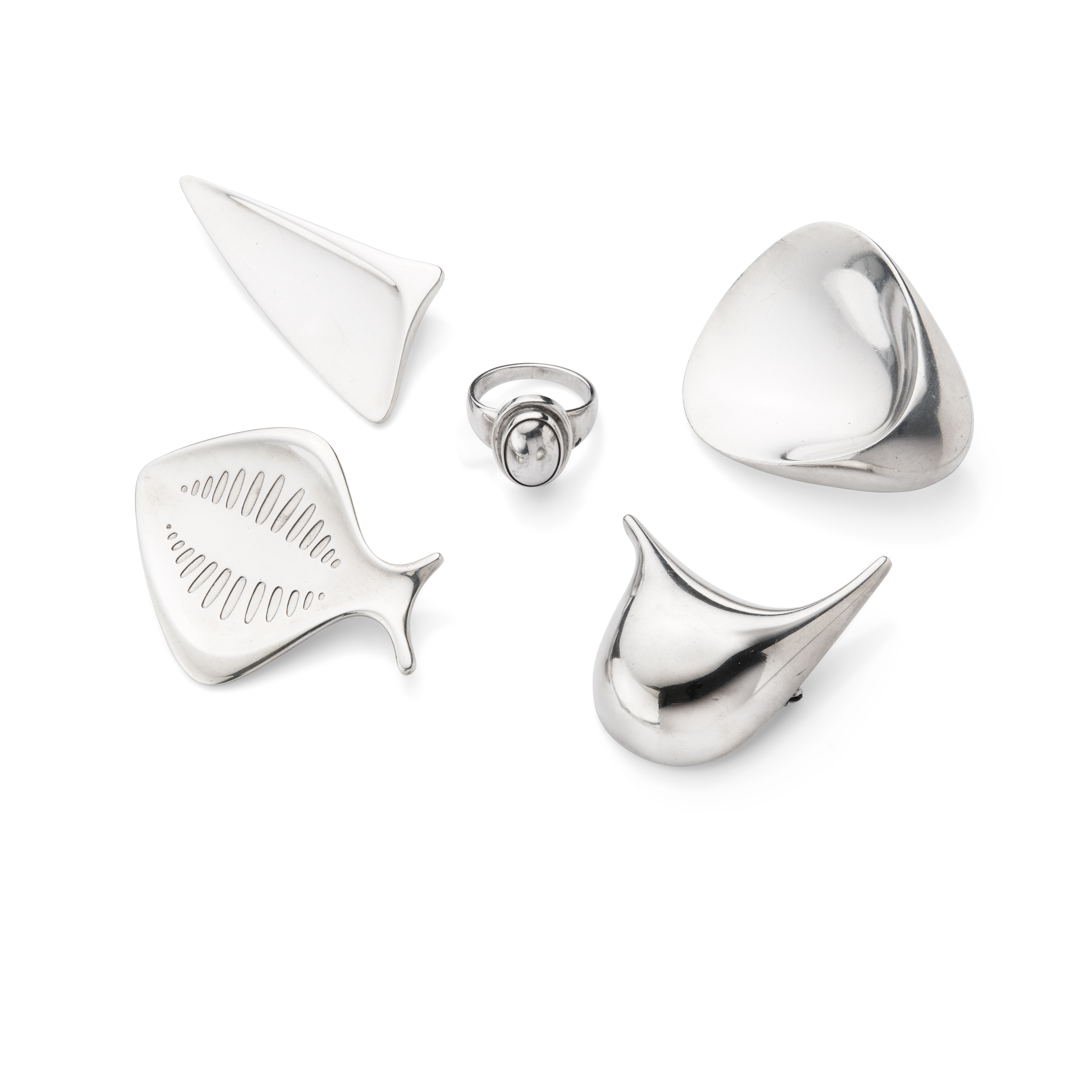
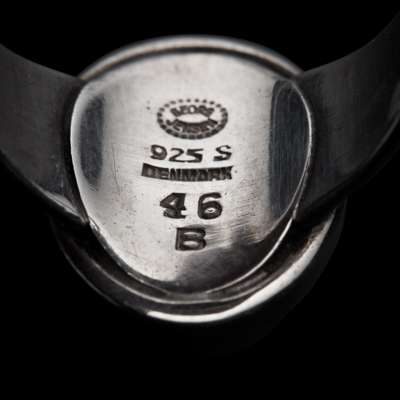
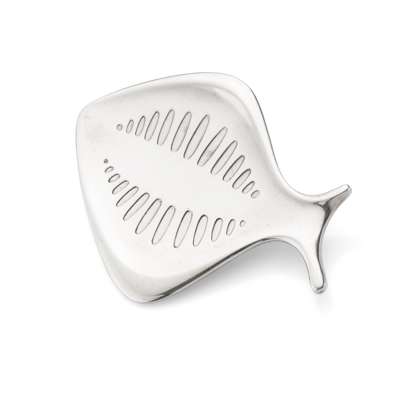
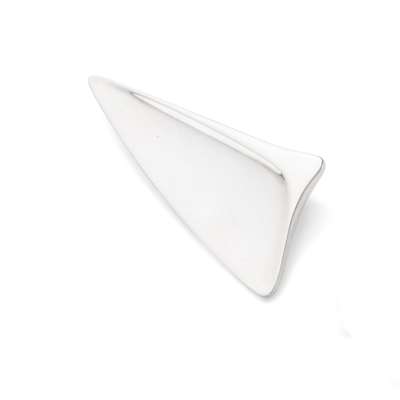
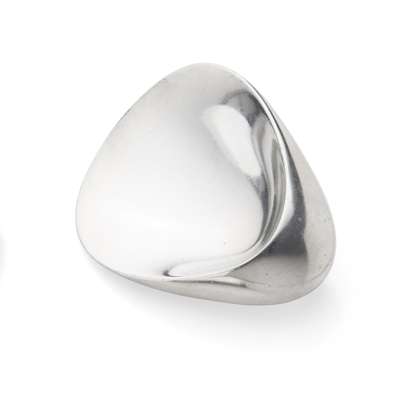
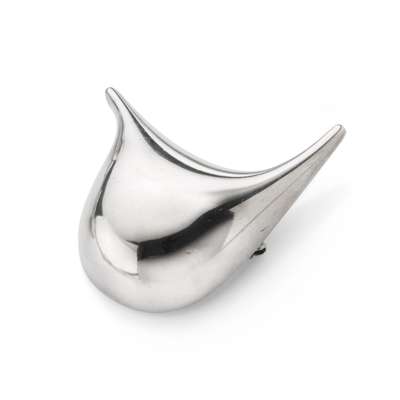
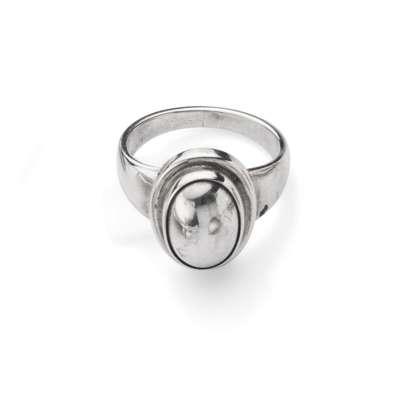
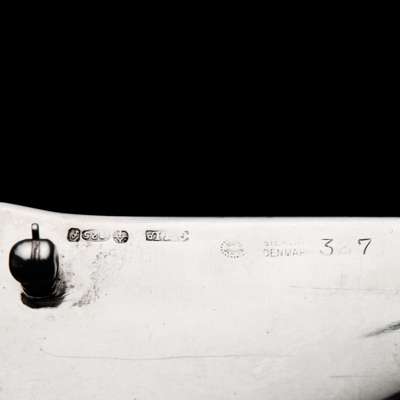
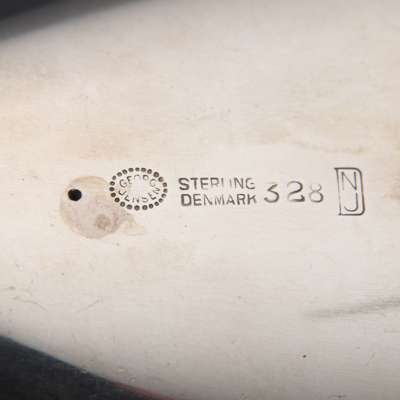
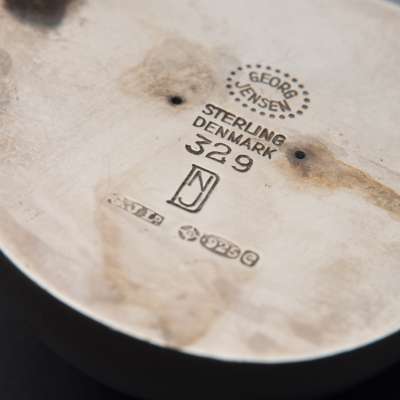
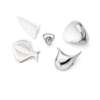
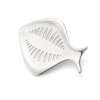
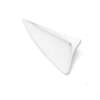
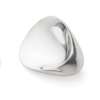
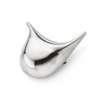
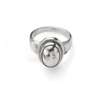
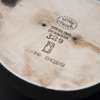
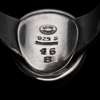
1st: An ‘oyster’ brooch of polished silver by Nanna Ditzel for Georg Jensen, signed Georg Jensen, maker’s mark NJD, pattern number 328, width 5.1cm, 2nd: A ‘bird' brooch of polished silver by Nanna Ditzel for Georg Jensen, signed Georg Jensen, maker’s mark NJD, pattern number 329, UK import mark from 1960, width 3.0cm, 3rd: A triangular brooch of polished silver, by Henning Koppel for Georg Jensen, signed Georg Jensen, maker’s mark GJLd, pattern number 327, UK import mark from 1961, width 5.3cm, 4th: A ‘fish’ brooch of polished silver by Henning Koppel for Georg Jensen, signed Georg Jensen, makers’ marks HK and GJLd, pattern number 343, UK import mark from 1963, width 6.0cm 5th: A polished silver ring by Harald Nielsen for Georg Jensen, signed Georg Jensen, pattern number 46B, ring size N½ (5)
Footnote
Nanna Ditzel (1923 - 2005) is often referred to as the ‘Grand Dame of Danish Design’. She met her husband Jorgen Ditzel in Copenhagen when they were training to be furniture designers. Nanna studied at the Richards School and then the Kunsthandvaerkerskolen (School of Arts, Crafts and Design). Their collaborative works won awards in 1944 and 1945. In 1946 they were married and in 1950, after the birth of their first child, Nanna began to design jewellery as it enabled her to work from home.
In 1954 she became associated with Georg Jensen. In 1956 she won the Lunning Prize and then in 1960 a gold medal at the Milan Triennale. She continued to apply her creative force to textiles, furniture, jewellery and homewares for the remainder of her career.
Henning Koppel (1918-1981) was born in Copenhagen. In the mid to late 1930s, he trained at the Royal Danish Academy of Fine Arts and then studied sculpture in Paris at the Académie Rançon.
In 1945 he returned to Denmark and started work as a designer for Georg Jensen, where he remained for his whole career. Koppel's abstract and sculptural work, often considered amongst the most original of Jensen's designers, helped propel the firm to the forefront of Modern design after World War II.
He received the Lunning Prize in 1953 and gold medals in 1951, 1954 and 1957 at the Milan Triennales. His work was of organic, sculptural shape and generally without decoration as he felt the shape spoke for itself. He was most interested in form, not function. He once said “I am sick to death of all that Functionalism nonsense… in my view everything must first and foremost be beautiful”.
Also see lot 69.