

Lot 55
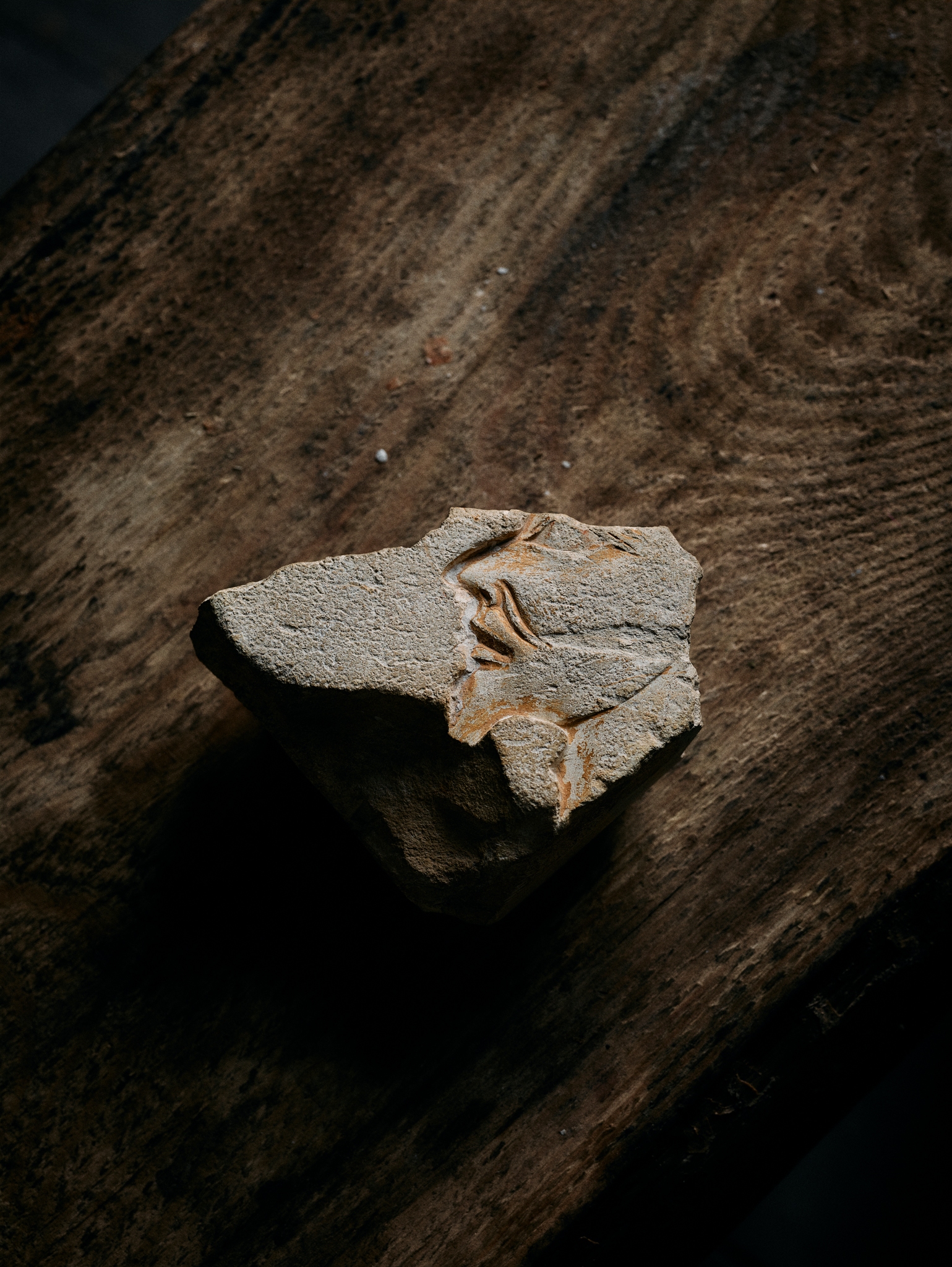
ANCIENT EGYPTIAN RELIEF FRAGMENT DEPICTING A LIBYAN
NEW KINGDOM, LIKELY 19TH DYNASTY, C 1292-1189 B.C.
Auction: 26 November 2026 from 14:00 GMT
Description
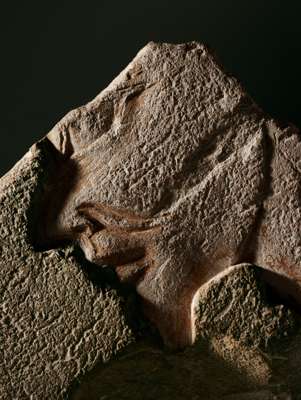
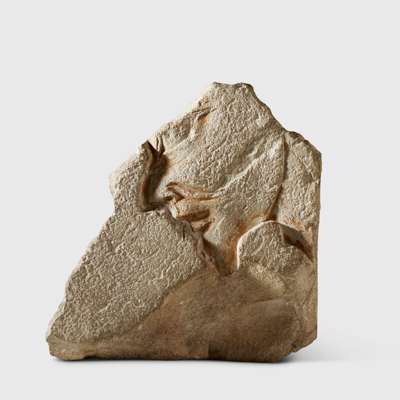
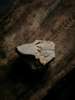
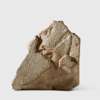
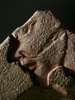
carved limestone, a fragment from a large scene, depicting the head of a Libyan in captivity, his head bowed, with almond shaped eyes and prominent lips, traces of yellow pigment remain, with a bespoke metal bracket attached to the reverse for mounting
Dimensions
10.6cm high
Provenance
Joseph Halle Schaffner (1897-1972), Chicago and Santa Barbara, USA
Elmer "Pete" Schlesinger (1919-1982), Chicago, USA; by descent from the above, his brother
Sumner Schlesinger, California, USA; by descent from the above, her father
Footnote
This fragment would have formed part of a larger sculptural scene depicting Egypt’s defeat of its enemies, in which foreign captives were often represented in submission to the pharaoh. The figure can be identified as a Libyan (known by the Egyptians as the Libu) by his short pointed goatee and the deeply incised, curved parallel lines running from the edge of the nose down to the corners of the mouth. His head is bowed in submission, suggesting his status as a captive of war. The treatment of the eyes and fleshy mouth reflects the influence of the Amarna art style. However, a date in the subsequent 19th Dynasty is more likely, when the Libu invaded Egypt alongside the Sea Peoples. The latter were a group of maritime peoples whose origins remain uncertain, but who raided and migrated across the eastern Mediterranean during the Late Bronze Age, contributing to the collapse of several established civilisations in the region. They posed a significant threat to Egypt during the reign of Pharaoh Merneptah (1212–1203 B.C.), when Libyan and Sea Peoples forces launched an invasion from the west.
During the fifth year of his reign, Merneptah repelled a large scale invasion at Perire, near the western Nile Delta. The campaign is recorded in an inscription beside the sixth pylon at Karnak, which names the Libu and several Sea Peoples, among the invading forces.
For similar, please see a procession of foreigners in the Metropolitan Museum of Art, New York, USA, accession number 1985.328.13. Also compare an example showing two foreign captives, one of whom has a pointed beard, in the Allard Pierson Museum, Amsterdam, the Netherlands, inventory number APM08753.