

Lot 46
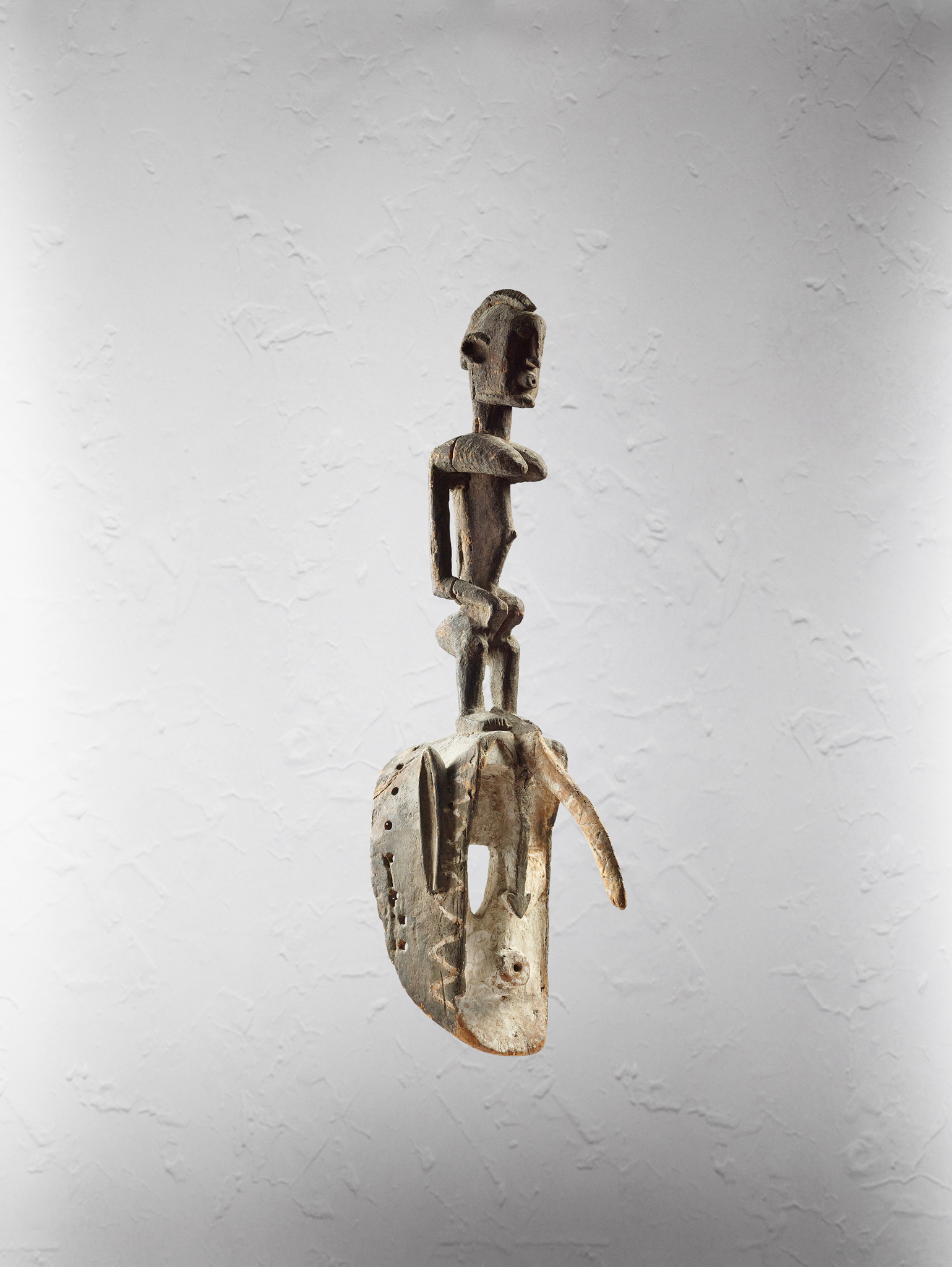
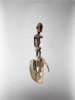
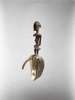
DOGON HORNBILL MASK, DYODYOMINI
MALI
Auction: 28 May 2026 from 13:00 BST
Description
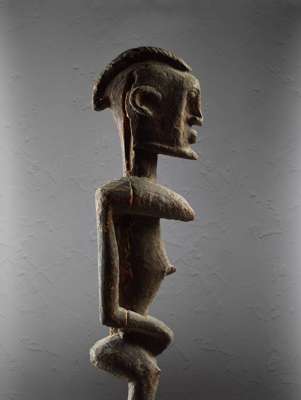
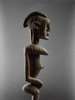
carved wood and pigment, openwork mask with protruding hornbill beak, above sits a female figure, with elongated proportions and stylised facial features, raised on a bespoke mount
Dimensions
84.6cm tall
Provenance
Mr and Mrs Allen Figgis
Lucien van de Velde, Belgium
John Giltsoff (1947 - 2014), United Kingdom
Private collection, United Kingdom, acquired from the above in 1994
Footnote
According to Dogon tradition, a woman is said to have once encountered a group of masked supernatural beings. Frightened, they fled, leaving their masks behind, which she carried back to her village. Envious of her discovery, the men later took the masks from her and established masquerade as an exclusively male practice. She is remembered as Yasigine, the “sister of the masks”, a figure symbolised in this type by the female form atop the mask, associated with the hornbill and its behaviour of pecking grain and stirring dust.
In Dogon culture, masks play a central role in funerary and commemorative rites, guiding deceased men into the ancestral world. They are used in ceremonies marking burial and the end of mourning, known respectively as baga bundo and dama. The dama is typically held during the dry season, when communities commission numerous masks representing both mythological figures and aspects of daily life. Hornbill forms are particularly linked to agriculture and fertility, their movements echoing the gathering of millet through crouching, pecking dance gestures.