

Lot 427
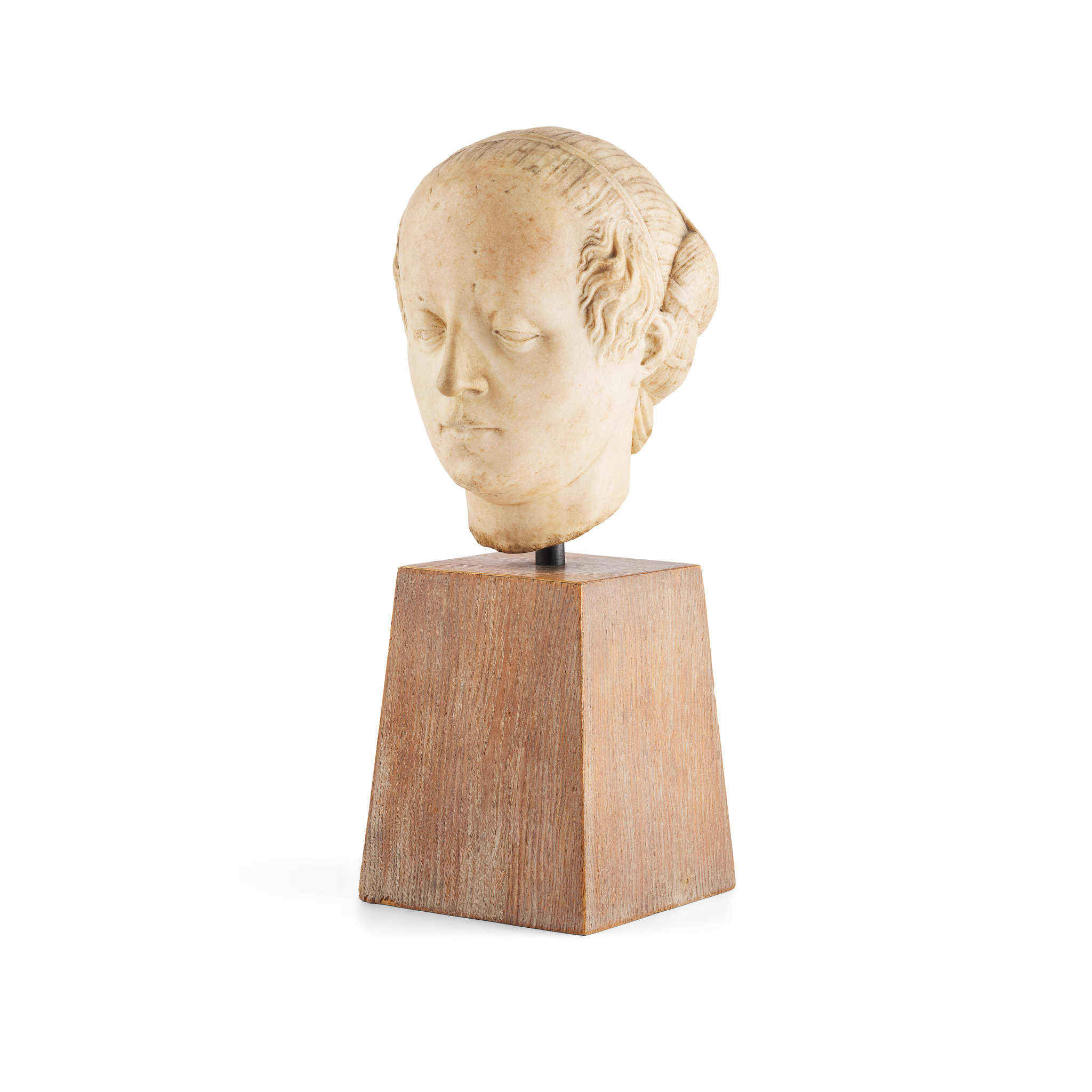
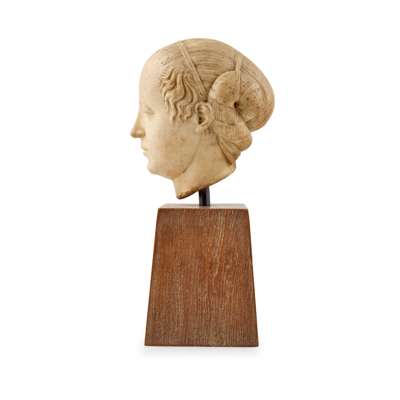
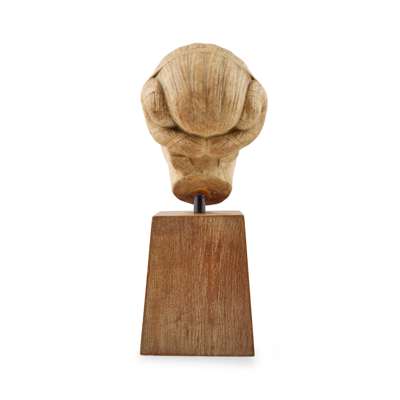
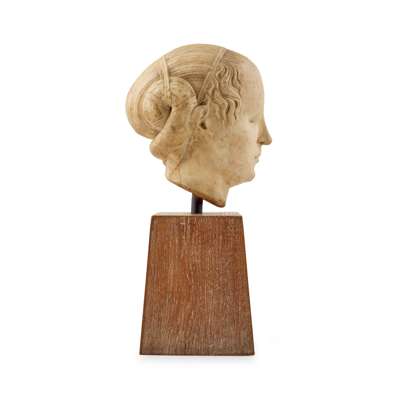
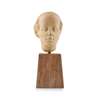
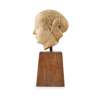
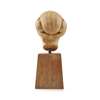
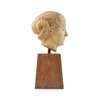
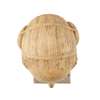
MARBLE HEAD OF A LADY, IN THE LATE 15TH CENTURY ITALIAN STYLE
ATTRIBUTED TO GIOVANNI BASTIANINI (ITALIAN 1830-1868)
Auction: Lots 336 - 597 | 05 September at 10am
Description
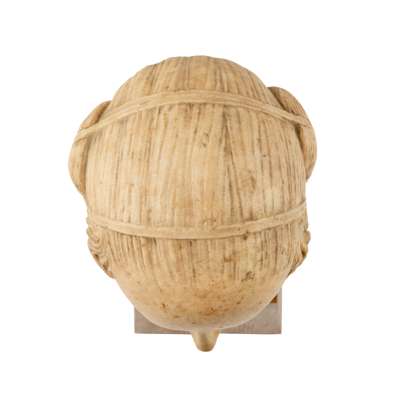
modelled in the Mannerist style with downcast almond eyes, high forehead and plaited hair set with ribbons, mounted on a limed oak veneered tapering square plinth, head 18cm high
Dimensions
35cm high overall, 13cm wide, 16cm deep
Provenance
Provenance: Property of a Private Glasgow Estate, reputed to have been purchased in the mid 20th century
Footnote
Note: From the mid-nineteenth century early Renaissance sculpture was in high demand and short supply. The Florentine dealer Giovanni Freppa (1795–1870) found a solution to this problem in the sculptor Giovanni Bastianini (1830-1868). He had began his career as a stonecutter in the quarries at Fiesole, and was sent by Francesco Inghirami to study in Florence, first with Pio Fedi and then with Girolamo Torrini, with whom he collaborated on a statue of Donatello for the portico of the Uffizi. He worked for the dealer from about 1850 to 1867, for whom he produced numerous neo-Renaissance works, most often busts and bas-reliefs in the style of Donatello, Verrocchio, Mino de Fiesole, Desiderio da Settignano, Francesco da Laurana and other Italian masters. Bastianini's works were sold to collectors and such museums as the Victoria & Albert Museum and the Louvre as Renaissance masterpieces. Shortly before his death some of his works were revealed to be forgeries. Scandal ensued, but discussion continues about his intentions and the extent to which his forgery was encouraged by dealers, including Joseph Duveen.
For comparable examples see a bust by Bastianini, in the manner of Desiderio da Settignano, circa 1860, V&A, Accession Number A.9-1916; and also a portrait bust of a lady, attributed to Bastianini, Princeton University Art Museum, Object Number y1969-125.
Literature: A. F. Moskowtiz, Forging authenticity: Bastianini and the Neo-Renaissance in nineteenth century Florence, London, Ad Ilissum, 2018