

Lot 541
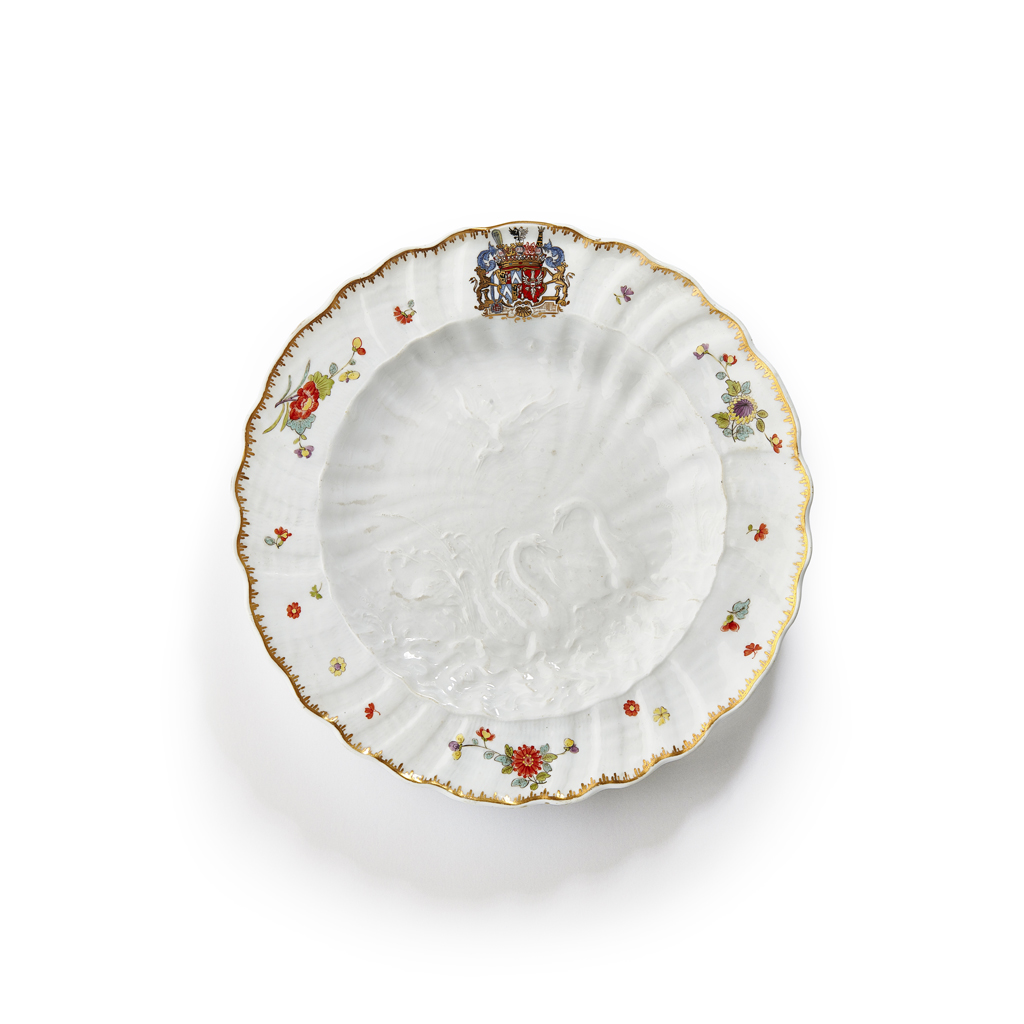
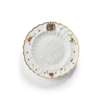
MEISSEN 'SWAN' SERVICE PORCELAIN PLATE
CIRCA 1736
Auction: 20 April 2016 at 11:00 BST
Description
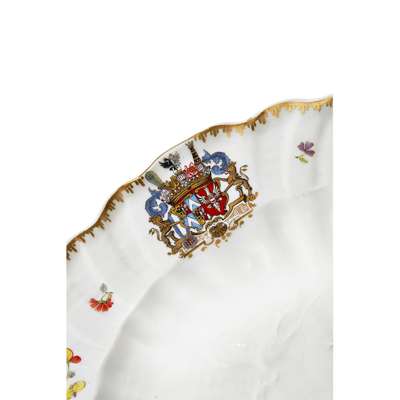
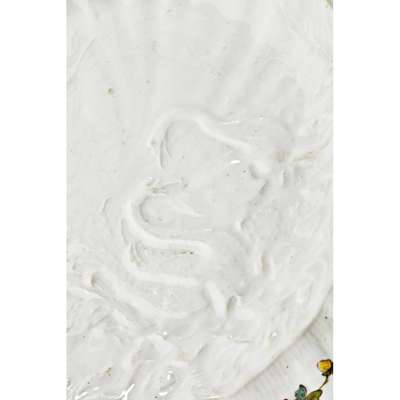
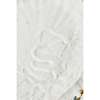
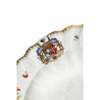
modelled by J.J. Kaendler and J.F. Eberlein, of lobed circular form with shell-like moulded rim border, decorated with a gilt rim and Indianische blumen flanking a central joint coat of arms for Count Bruhl and his wife, Maria Anna Franziska von Kolowrat-Krakowsky, enclosing a central moulded scene of two swans amongst bullrushes with a heron in flight overhead, with blue crossed swords marks
Dimensions
23cm diameter
Footnote
Provenance: Purchased from The Antique Porcelain Co. Ltd in 1958 for £225, original receipt enclosed. Thus by descent.
Note:
The most famous and celebrated rococo porcelain dinner service of the 18th century was commissioned in 1736 by Count Heinrich Graf von Brühl, Prime Minister to Augustus II of Saxony, and director of the Meissen factory in Dresden. The 'Swan' service, the name of which derives from the relief moulded swans swimming in bullrushes in the centres of the dishes, took four years to produce and is estimated to have numbered over 2200 pieces when it was completed. It was a bravura production for a factory that only twenty years earlier had discovered the secret of the manufacture of true porcelain in Europe. The service was a showcase for the technical and artistic superiority of the Meissen factory and was unparalleled for the sheer number, variety, and ingenuity of the pieces created.
Designed and modelled primarily by J.J. Kändler with assistance by J.F. Eberlein, the service was a bold departure from the Japanese and Chinese styles so prevalent in the early years of Meissen's production. In preparation, Kändler spent three days drawing and studying shells in the Natural History cabinets in Dresden, incorporating his observations into the underlying shape of the plates. The overarching theme of the service may have been a play on Brühl's surname which means 'watery ground' and the shell motifs, aquatic birds and figures utilised are emblematic of this subject. Kändler was insistent that the enamel decoration be kept to a minimum allowing the moulded detail to be the focal point of the service, with only a scattering of Indianische blumen around the borders which are edged in gilt. The service bears the joint coat of arms of Bruhl and his new wife, Maria Anna Franziska von Kolowrat-Krakowsky but the crest intentionally does not dominate the design, being placed neatly on the rim so as not to obscure the relief moulded centres.
The service remained intact in the possession of the Brühl family at their castle Schloss Pförten until the end of the 19th century. From the 1880s onward, pieces were given to museums or found their way into private collections, so by the turn of the century it is estimated only about 1400 pieces of the service remained in the collection. At the end of World War II the Russian army occupied the Schloss Pförten with its famous contents, and when the family returned weeks later, they found the castle and its collections in ruins. The famous Swan Service, the apogee of 18th century porcelain production, had been smashed, reputedly used as target practice by Red Army marksmen to pass the time. In an extraordinary twist of fate, it is now only the pieces which left the collection that remain to showcase the magnificence of this once vast service.
A dinner plate from the 'Swan' service, acquired by a Scottish collector in 1958 and held as part of a private collection until now, is a rare survivor to come on the market.