Lot 152
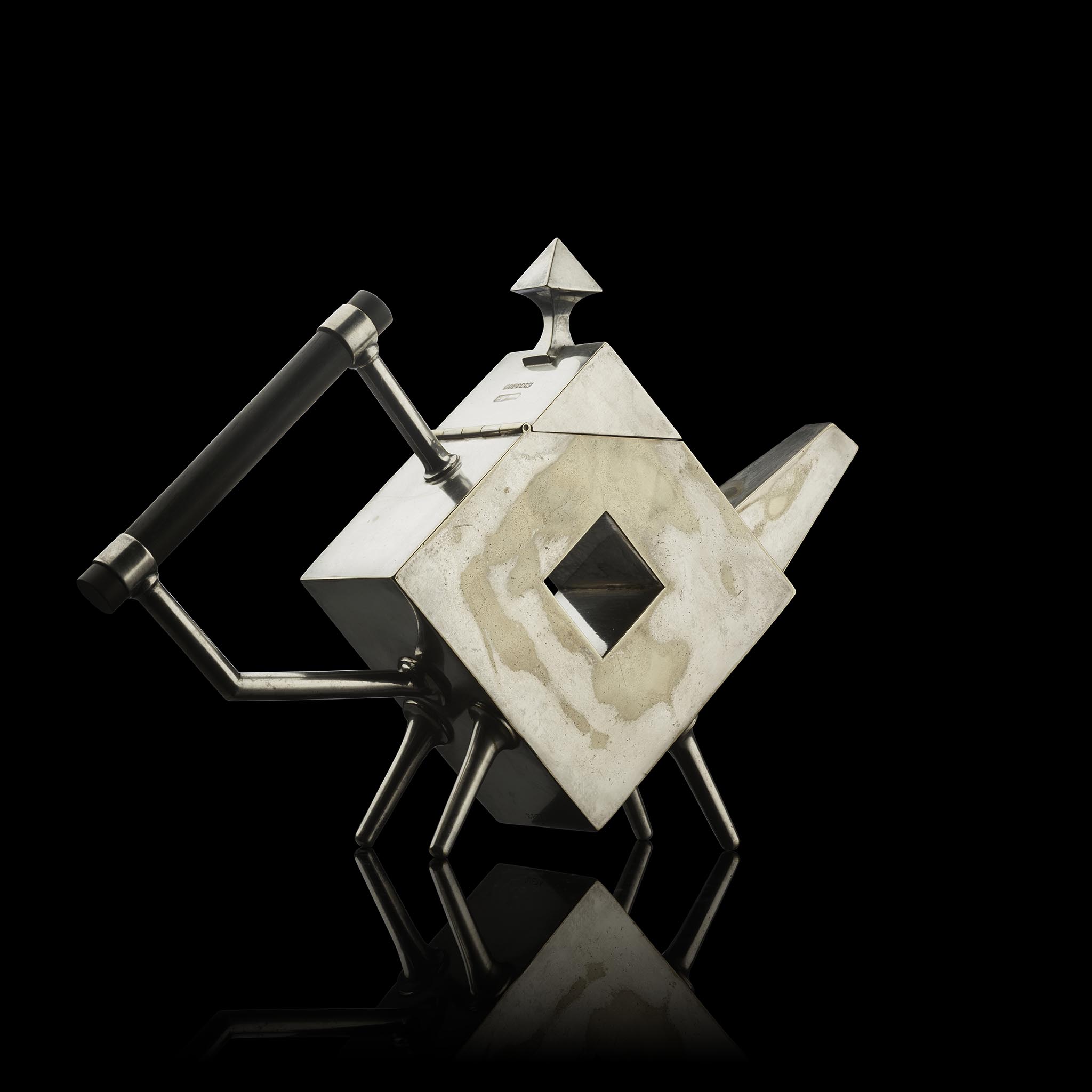
CHRISTOPHER DRESSER (1834-1904) FOR JAMES DIXON & SON, SHEFFIELD ‡
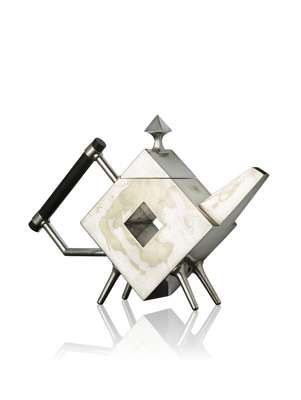
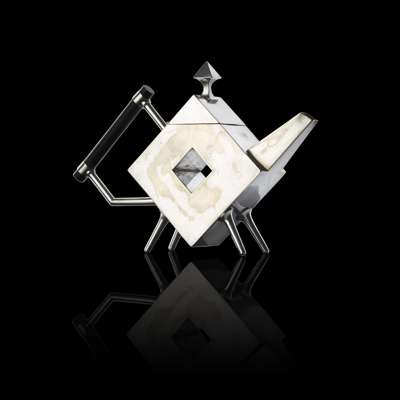
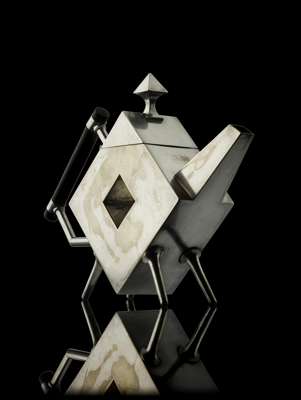
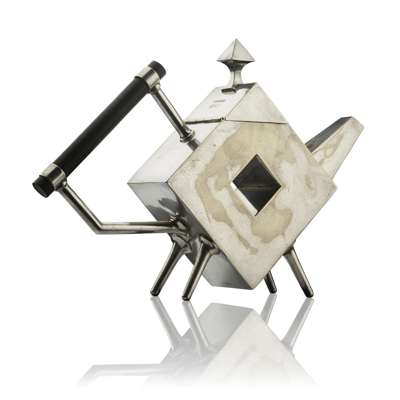
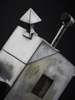
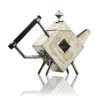
TEAPOT, CIRCA 1879

Auction: Design Since 1860 Day One | Wed 14th October | Lots 1 to 245
Description
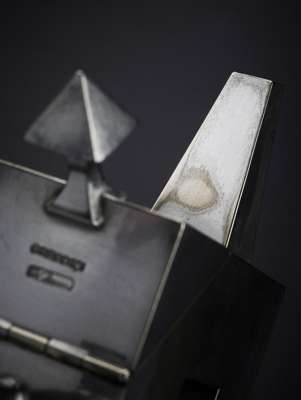
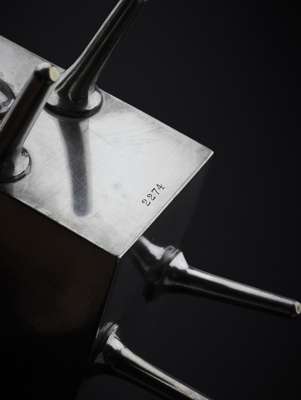
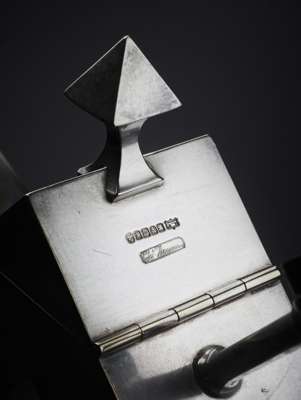
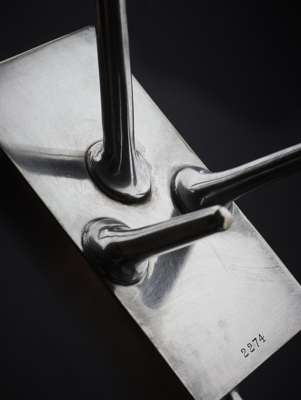
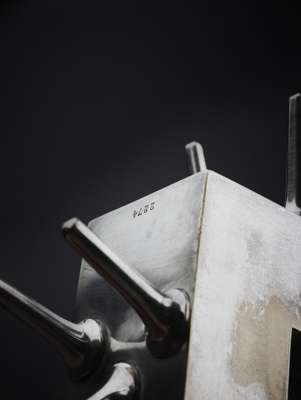
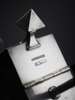
silver plate, ebony, stamped maker’s marks JD&S/ EP/ 2274, stamped facsimile signature CHR. DRESSER
Dimensions
24.5cm wide, 17cm high, 5.1cm deep
Provenance
Private Collection
Footnote
Literature: Halén W. Christopher Dresser, Phaedon 1990 p.1. ill.
Whiteway M. Christopher Dresser 1834-1904, Skira Editore S.p.A., Milan 2001, p. 103, pl. 89
Christopher Dresser and Japan, ed. Koriyama City Museum of Art Brain Trust 2002, pl. 131
Whiteway M. (ed.) Christopher Dresser: A Design Revolution, V&A Publications 2004, pl. 6
Lyons H. Christopher Dresser; The Peoples Designer 1834-1904, Antique Collectors Club 2005, pls. 353 and 354
Rudoe, J. 2008 Design and Manufacture: Evidence from the Dixon & Sons Calculation Books, The Decorative Arts Society 1850 to the Present: Christopher Dresser in Context, Journal 29: 66-83.
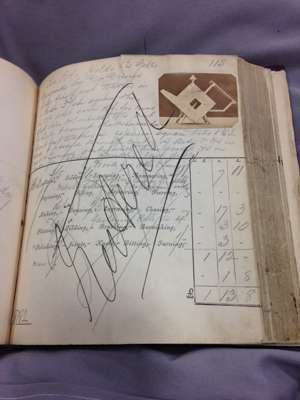
Sheffield Archives, Accession B496, Dixon costings book 1879, p. 115.
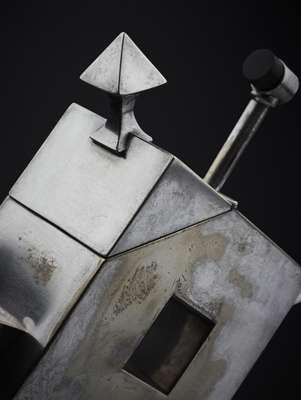
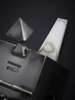
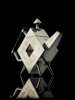
This teapot, one of the icons of late 19th century design, forms part of a series of radical designs that Christopher Dresser supplied to James Dixon & Sons of Sheffield between 1879 and 1882, following his influential trip to Japan in 1876–77. His teapot designs, reflecting his interest in polyhedral Japanese tea kettles, were produced in very limited numbers in electroplate and, occasionally, in silver. Their simplicity of line and lack of ornamentation were based on Japanese precedents, although Dresser made the designs distinctly his own, gathering together valuable influences and "developing a style which shall be new in character and yet at the same time an expression of our knowledge of all past ornament!"
As with his other designs, Dresser varied the degree of surface decoration according to the material used. In silver and plated wares, he tended to emphasise form rather than ornament. This approach also made the objects simpler and less expensive to manufacture on a larger scale. Dresser was deeply concerned with the economical use of costly materials and made it his business to understand production techniques thoroughly.
He commented that, "...so long as we value a material rather than the art, and insist on purchasing art objects by the ounce, we can never attain true knowledge." The striking forms of his teapot designs for Dixon's may have proved too expensive to manufacture, leaving too small a profit margin for the firm when compared with some of his other designs, several of which appeared in the company's 1885 catalogue.
A series of costing books, now held in the Sheffield Archives, reveals that Dresser produced approximately 80 designs for Dixon's, not all of which are believed to have entered production. This may have been due partly to the comparative expense of manufacture, but also to the radical nature of his designs, which proved difficult for contemporary tastes. Dresser's close understanding of manufacturing processes and material use is clearly reflected in these records. They detail the production costs of each item, explain how they were made, and, in most cases, identify those designed by Dresser.
The teapot's entry in the 1879 costing book, in addition to listing costs, identifies some of the craftsmen responsible for specific stages of production. The description in the Dixon calculation book of 1879 reads:
"Teapot. Holds 1 1/2 Gill. Designed by Dr. Dresser.
Body first put together in six pieces, 3 3/4-inch square [body], then the top part sawn off for the cover.
Flat wire hard soldered inside top part of body and round the cover inside.
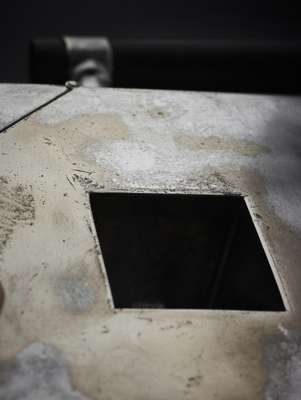
Spout put together in four pieces; square tube, 1 1/16 inches made and passed through the centre of body and hard soldered in.
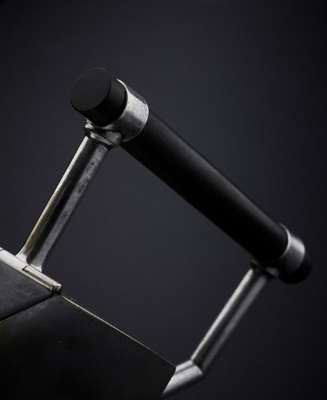
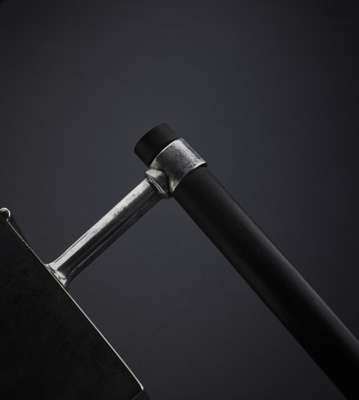
Cast and turned part with tube socket hard soldered in ends for ebony handle.
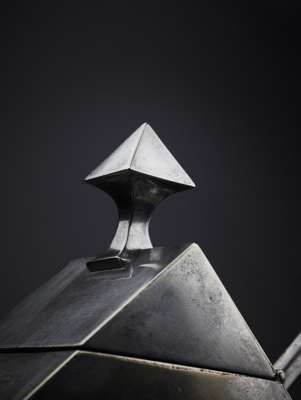
Cast knob."
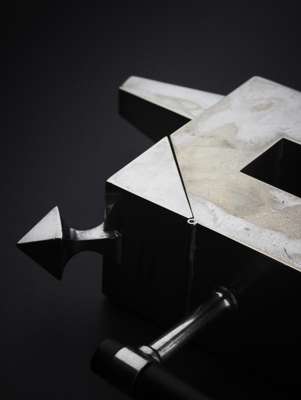
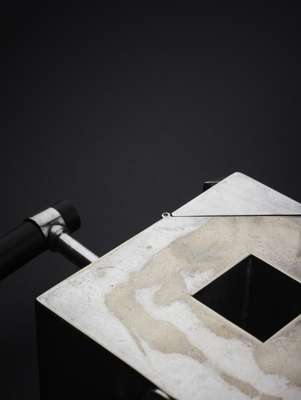
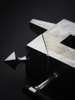
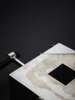
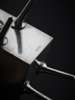
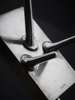
The "Stamping" line is left blank, but the six pieces of metal used for the body were cut using a stamping machine. Two of these formed the 3 3/4-inch square sides, turned on end as lozenges to create the body's distinctive diamond-shaped profile, while the remaining four pieces formed the square, box-shaped body. A corner of the box was simply sawn off to create the lid, requiring no additional metal and less labour than producing a separate cover. The lid is attached to the body by a plain rear hinge.
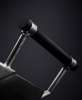
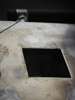
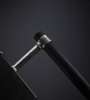
The square opening on each side was probably stamped out by machine so that, once the box-shaped body had been assembled, the square tube forming the hollow centre could be inserted. The handle was made from three turned ebony components. The four legs were cast, turned, and hard-soldered at right angles to the side walls of the body.
There can be little doubt that the remarkable originality of Dresser's series of teapot designs for Dixon's are amongst his most seminal works. Two other examples of this teapot, model no. 2274, are known: one is held by the Victoria and Albert Museum in London (accession no. M.4-2006), and the other by the Montreal Museum of Fine Arts (inv. 2011.35).
The expense of these teapots may have limited their production but what these extraordinary designs ultimately achieved was Dresser's posthumous reputation as a proto-modernist, helping to secure his place as one of the greatest talents of 19th century design.