

Lot 140
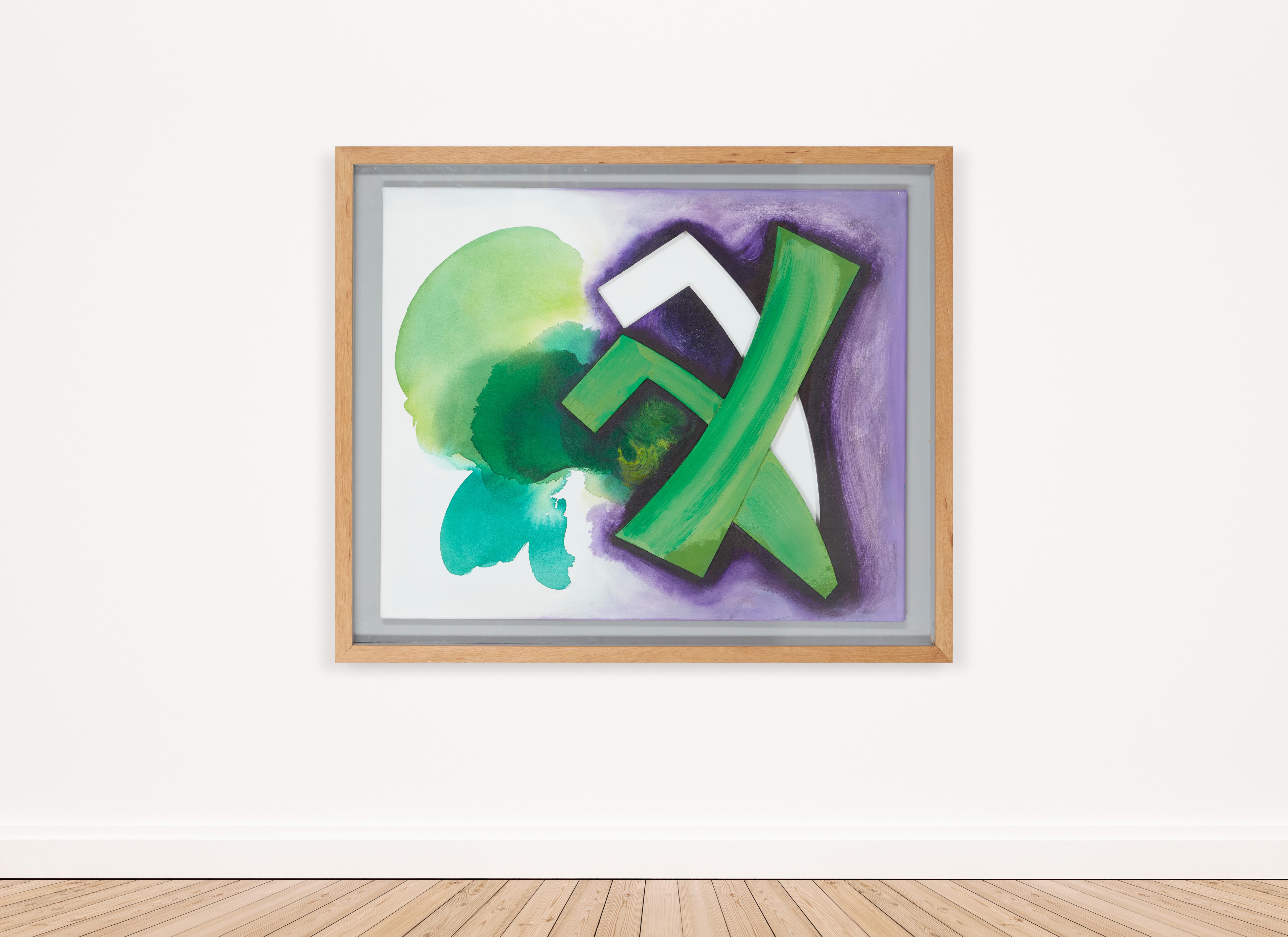
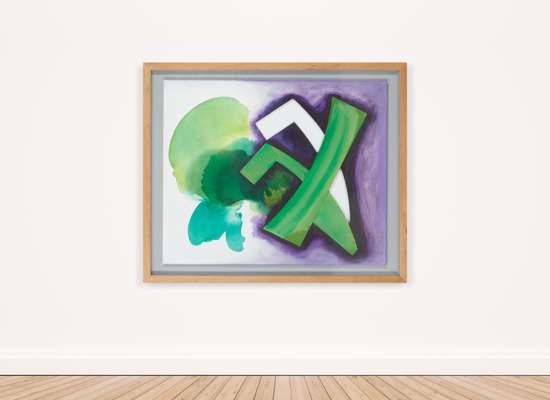
WILLIAM TILLYER (BRITISH 1938-)
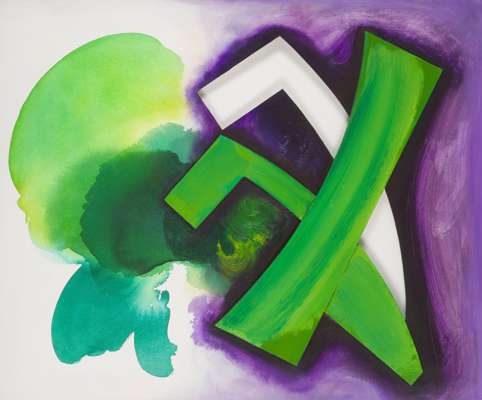
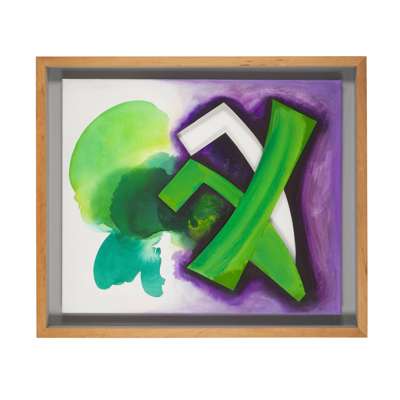
HAMMER - 1992-93

Auction: 13 August 2024 from 10:00 BST
Description
Acrylic on canvas laid to panel in relief
Dimensions
75cm x 90cm (29.5in x 35.5in)
Provenance
Exhibited: William Tillyer: Fearful Symmetries, Bernard Jacobson Gallery, London, 5 May-5 June 1993, cat.no.8 (coll.ill.)
Footnote
William Tillyer was born in Middlesbrough in 1938. He studied painting at Middlesbrough College of Art before continuing on to London's Slade School of Fine Art in the 1960s. His career would take his art worldwide, from Australia to Trinidad and Tobago. In particular, his work has been exhibited frequently in both London and New York, where he has been the recipient of ‘blue chip’ gallery representation; his relationship with Bernard Jacobson Gallery in London beginning in 1968 and continuing to this day. Subsequently, his work can be found in the collections of major institutions including the Brooklyn Museum and Museum of Modern Art in New York; the Art Gallery of Western Australia in Perth; the Arts Council Collection; the Middlesbrough Institute of Modern Art; and Tate and the Victoria and Albert Museum in London.
Tillyer's work is characterised by perpetual innovation and he is celebrated today as a groundbreaking British abstractionist. He works across media, in oil, acrylic, watercolour and print, whilst also frequently utilising interesting extraneous materials, most notably wire mesh. His art has been described as ‘constructed works with a conceptual basis’. The historian David Cohen has written of Tillyer that: "…(the artist) juxtaposes the organic and the geometric, the gestural and the rational, the empirical (felt, observed) and the ideal (thought, imposed)."
The work offered here for sale featured in Tillyer's major show at Bernard Jacobson in 1993, ‘Fearful Symmetries’. The exhibition consisted of works of the same format and dimensions; each representing a continuation of Tillyer's examination of the Romantic vs. the Classical, of nature vs. manufacture, leading him to juxtapose naturalistic forms on the left, with geometric forms cut from the picture plane to the right.