

Lot 165
PHYLLIDA BARLOW C.B.E., R.A. (BRITISH B.1944) §
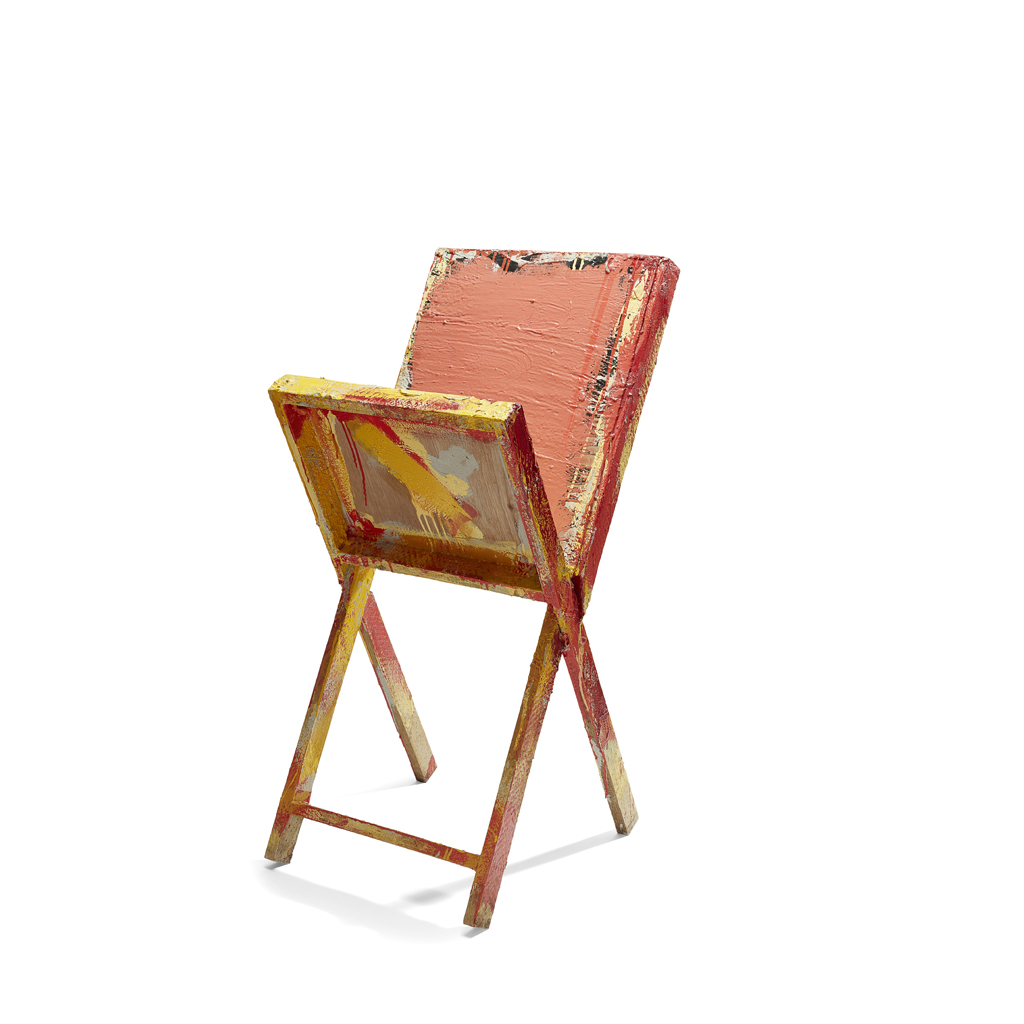
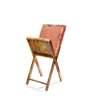
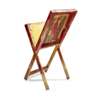
INDIVIDUAL CHAIR
Auction: 17 August 2017 at 12:00 BST
Description
2006, from an edition of 13 variants, paint and timber
Dimensions
approx. 115cm x 53cm 44cm (45.25in x 21in x 17.25in)
Footnote
Note: Phyllida Barlow has had a long and productive career, following her studies at Chelsea College of Art and the Slade School of Fine Art in the 1960s. She continued to make and exhibit artwork alongside raising a family, and a teaching career that saw her become Professor of Fine Art and Director of Undergraduate studies at the Slade. During this time she rarely sold work, and many of her creations no longer exist as she regularly recycled works for materials, or simply left them at the exhibition site.
She rose to public prominence and more commercial success after her exhibition at Serpentine in 2010, after which she gained representation from Hauser & Wirth. Barlow became a Royal Academician in 2011, was awarded a CBE in 2015 and created a high-profile installation for the Duveen Galleries at Tate Britain, DOCK, in 2014. She is currently exhibiting in the British Pavilion at Venice Biennale.
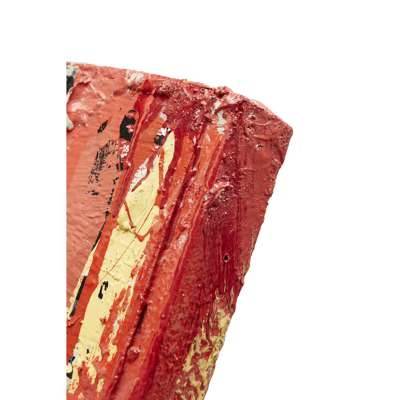
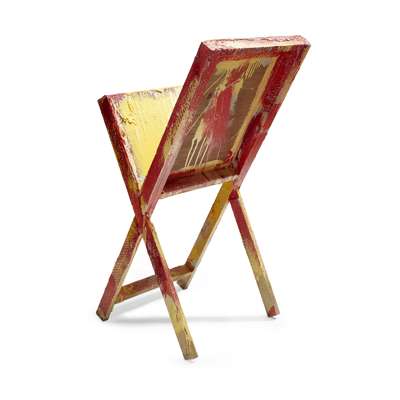
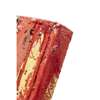
In this work, Barlow takes the recognisable structure of a folding chair, with a flat base and back, and reconfigures it. By keeping the chair's structure between open and shut, usable and stored, it becomes precarious; we are aware we would tumble over if we tried to use it for its intended purpose and it becomes unclear whether it is in the process of opening or closing, folding or unfolding. This is common in Barlow's work, where she often creates installation's that expand into a space or room, ultimately redefining it. She does so using cheap, builder's materials such as plywood and cement, rather than the hallowed sculptor's bronze or marble. In Individual Chair, the simple structure has added texture, through the rough edges of the wood, and areas of hastily applied cement, while the very application of the paint draws attention to its materiality, offering a visceral sense of the process of making; it drips, gloops and congeals, and continues to look as though it would be tacky to touch, as if the artist has only just finished making it in her studio.