Lot 59
RENÉ LALIQUE (1860-1945) ‡
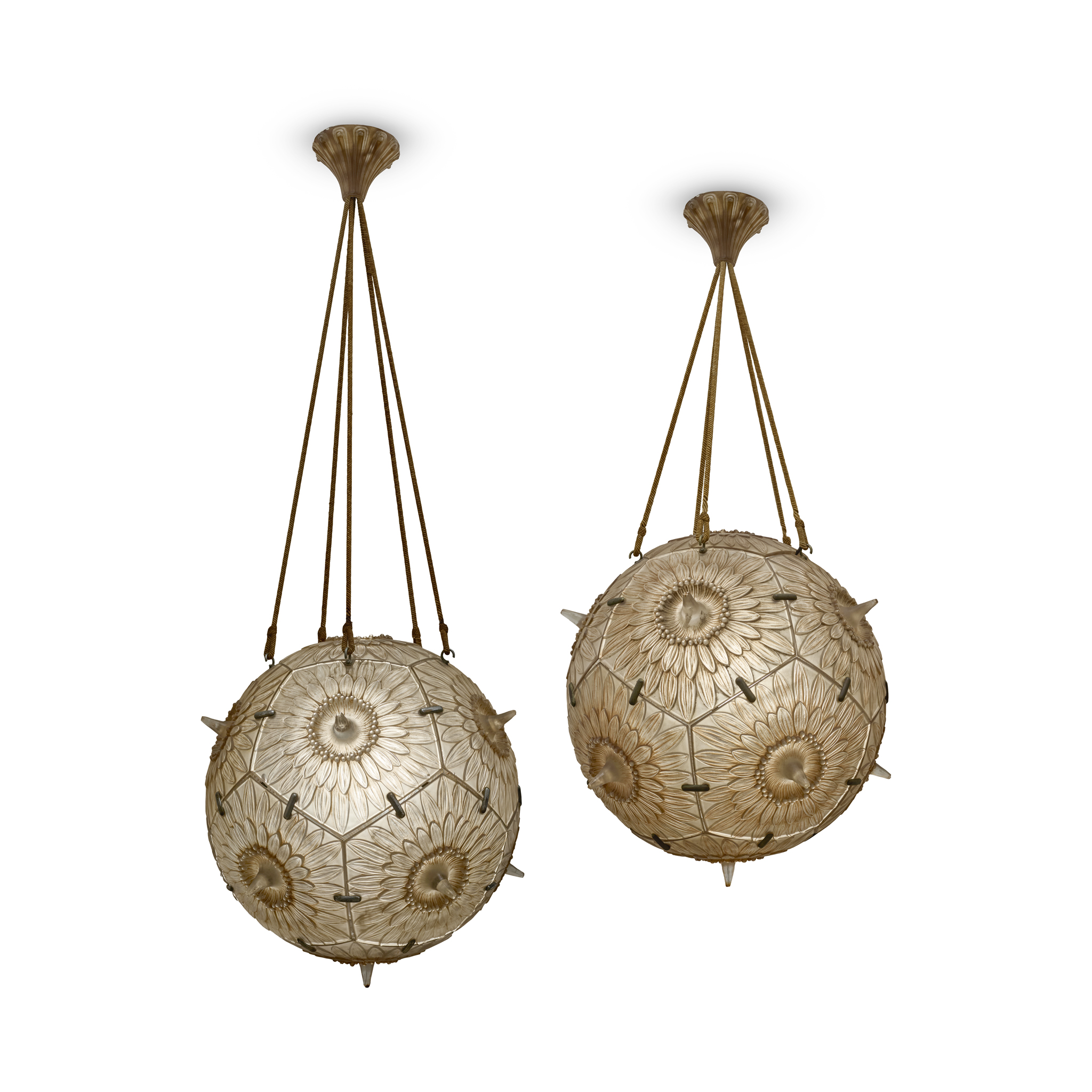
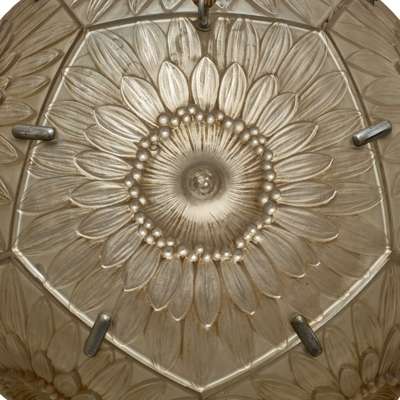
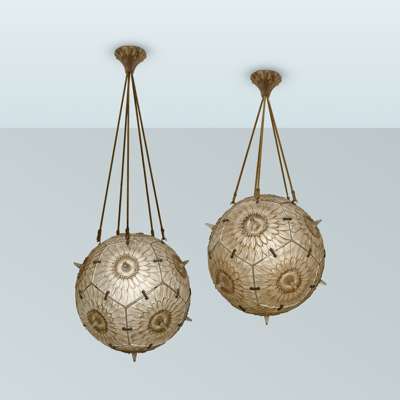
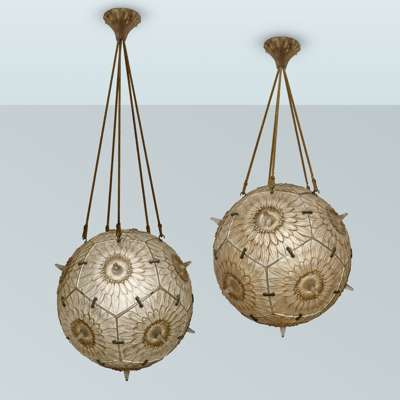
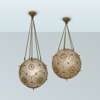
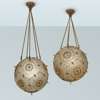
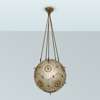
PAIR OF PASSIFLORE CHANDELIERS, NO. 2263
Auction: Art Nouveau & Art Deco | Lots 17 to 118 | 25 June 2026 from 2pm
Description
designed 1924
clear, frosted and sepia stained, metal brackets, and ceiling roses
(2)
Dimensions
each approximately 50cm diameter, 116cm and 143cm high approximately respectively
Provenance
Acquired from new and thence by descent. Private collection, Belgium.
Footnote
Designed in 1924, the Passiflore chandelier is one of two spherical lights René Lalique composed from multiple glass elements; the other being the Boule De Gui designed in 1922. They were perhaps intended to represent the seasons summer and winter based on their distinctively seasonal subject matters of summer passion flowers and winter mistletoe.
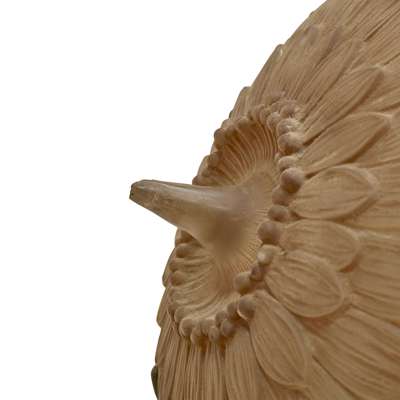
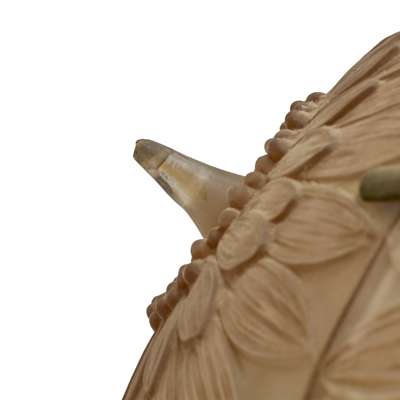
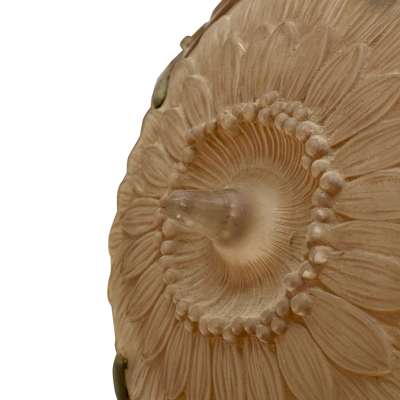
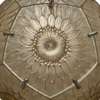
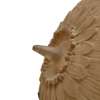
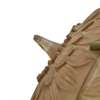
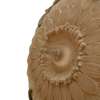
The Boule De Gui comprises two spherical caps at the top and bottom with sectional wedge form panels between. It is surface moulded in relief with mistletoe leaves and berries. In contrast the decoration on the Passiflore lights is in much higher relief with the stamens protruding from the concave corona of filaments. The passionflower genus typically has a pentamerous flower consisting of exactly five petals and five sepals and it is therefore in keeping that these Passiflore lights are composed of pentagonal elements forming a spherical regular dodecahedron. If the surfaces of the pentagonal pieces had been flat, it would be a Platonic solid. The Greek philosopher Plato spoke of five regular polyhedra - the tetrahedron, the hexahedron (or cube), the octahedron, the dodecahedron and the icosahedron. Lalique follows in the tradition of creatives such as Leonardo da Vinci, Piero della Francesca and Albrecht Dürer who all showed a keen interested in mathematical forms in their work. In 1900 Max Brückner published Polygons and polyhedra: Theory and History, in Leipzig. It can only be speculation as to whether Lalique knew this work or not.
Passionflowers have a long and diverse cultural history. In Christianity they have become associated with the passion of Christ. The corona representing the crown of thorns, the ten petals and sepals the faithful disciples, the another the wounds, the stigmas the nails and the tendrils the scourging. Lalique may have been aware of the Victorian understanding of flowers symbolising faith and devotion and the Japanese view of them representing a clock-face.