William McTaggart was one of the most important figures in nineteenth-century Scottish painting, widely regarded as a pioneer of a distinctly Scottish form of Impressionism. Born in Kintyre to a family of modest means, he showed early artistic promise and went on to study at the Trustees’ Academy in Edinburgh, where he developed under the influential teaching of Robert Scott Lauder.
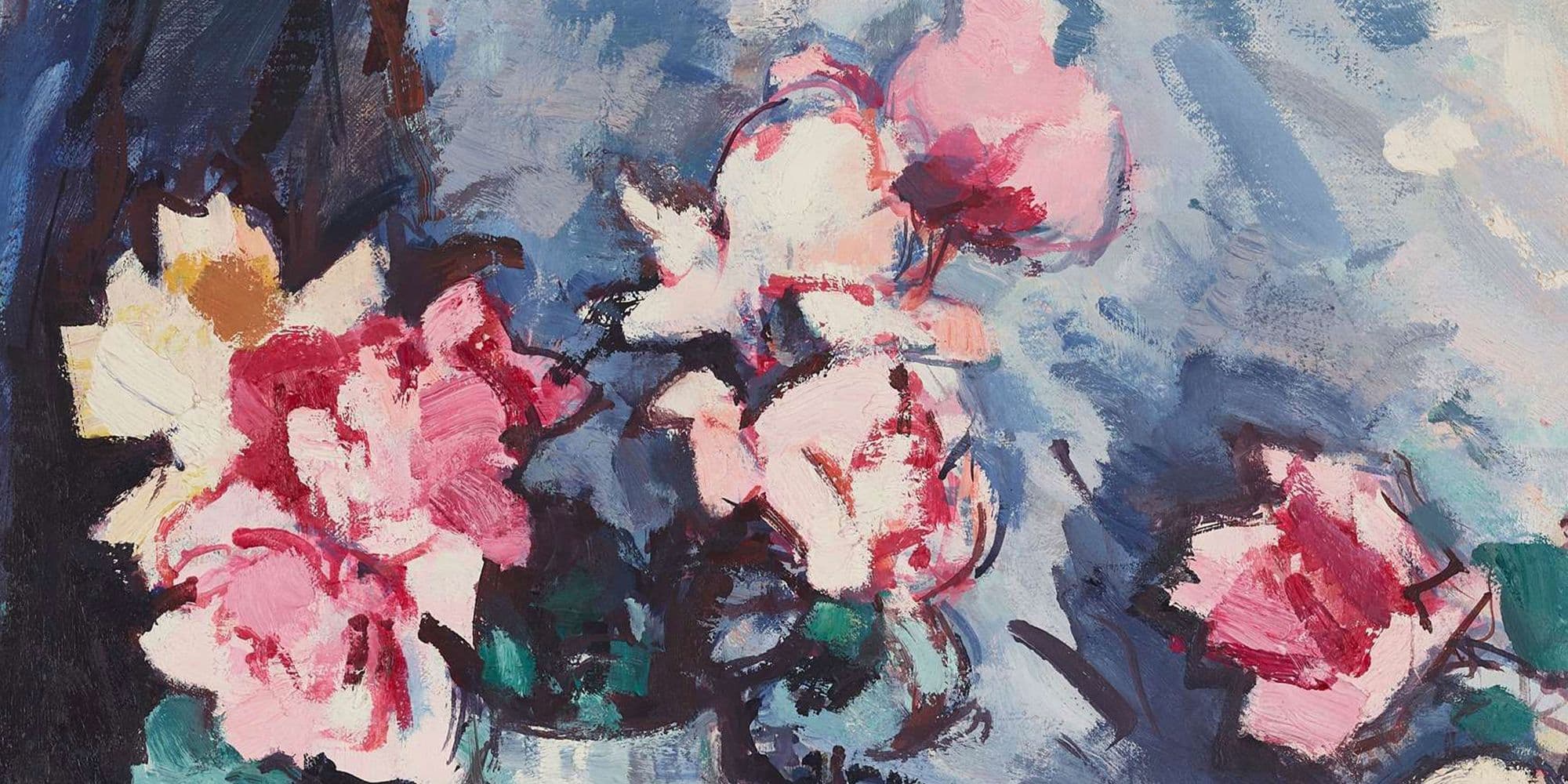
McTaggart’s early work reflects an engagement with portraiture and the influence of the Pre-Raphaelites, particularly in his use of colour and his interest in figures set within landscape. Over time, however, his style evolved markedly. He moved away from detailed, descriptive painting towards a looser, more expressive handling of paint, increasingly prioritising atmosphere, movement and light over precise representation.
Central to McTaggart’s work is the Scottish landscape, especially the coasts of the east and west, which he painted both en plein air and from memory. His mature compositions are characterised by a restrained palette and fluid brushwork, with figures integrated into the natural environment rather than set apart from it. This shift reflects a broader engagement with contemporary developments in European painting, including the influence of artists such as Whistler.
Despite criticism from some contemporaries for his increasingly broad technique, McTaggart remained committed to his artistic vision. His later works, with their emphasis on mood and sensation, anticipate key developments in modern painting. Today, he is recognised as a foundational figure in Scottish art, whose work helped shape the direction of landscape painting in Britain.
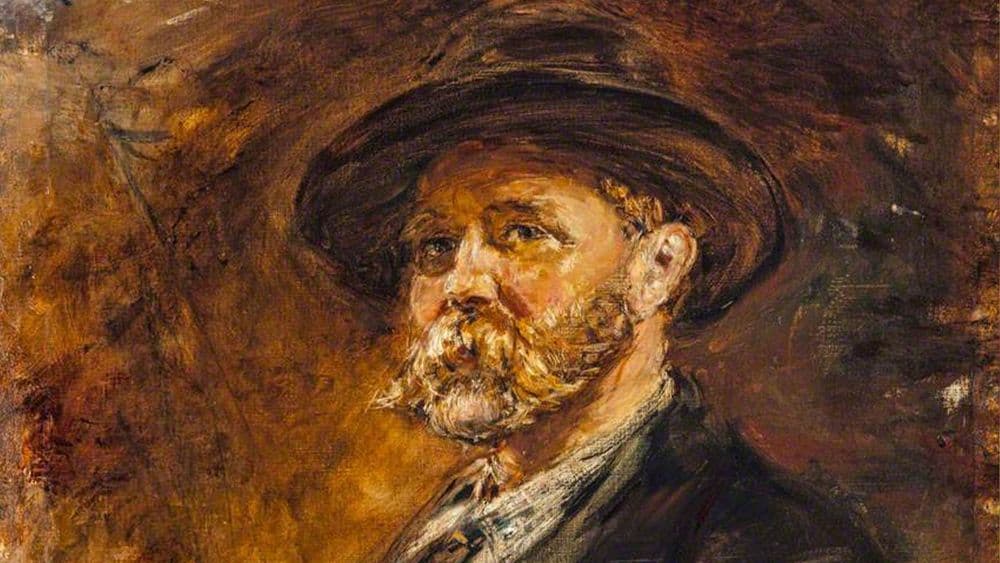
Illustrated: William McTaggart, Public domain, via Wikimedia Commons